
Paintballs C-STAR
Talk to our teamPrivate-label paintball manufacturer
Wholesale Paintballs
for Brands & Fields
Paintballs your players trust,
made to carry your name.
Source wholesale paintballs from C-Star, with custom branding, multiple calibers and grades for recreational and tournament play
Choose the right fit for your market: .68, .50 and .43 inch paintballs, 6mm airsoft BBs and 7mm gel balls, in grades from recreational play to tournaments, with climate-specific formulas. Add your own branding to stand out, and start from just 50 boxes to launch with less risk.
- Founding team experience
- 25+ years
- Low-risk starting MOQ
- 50 boxes
- Custom branding
- Private label
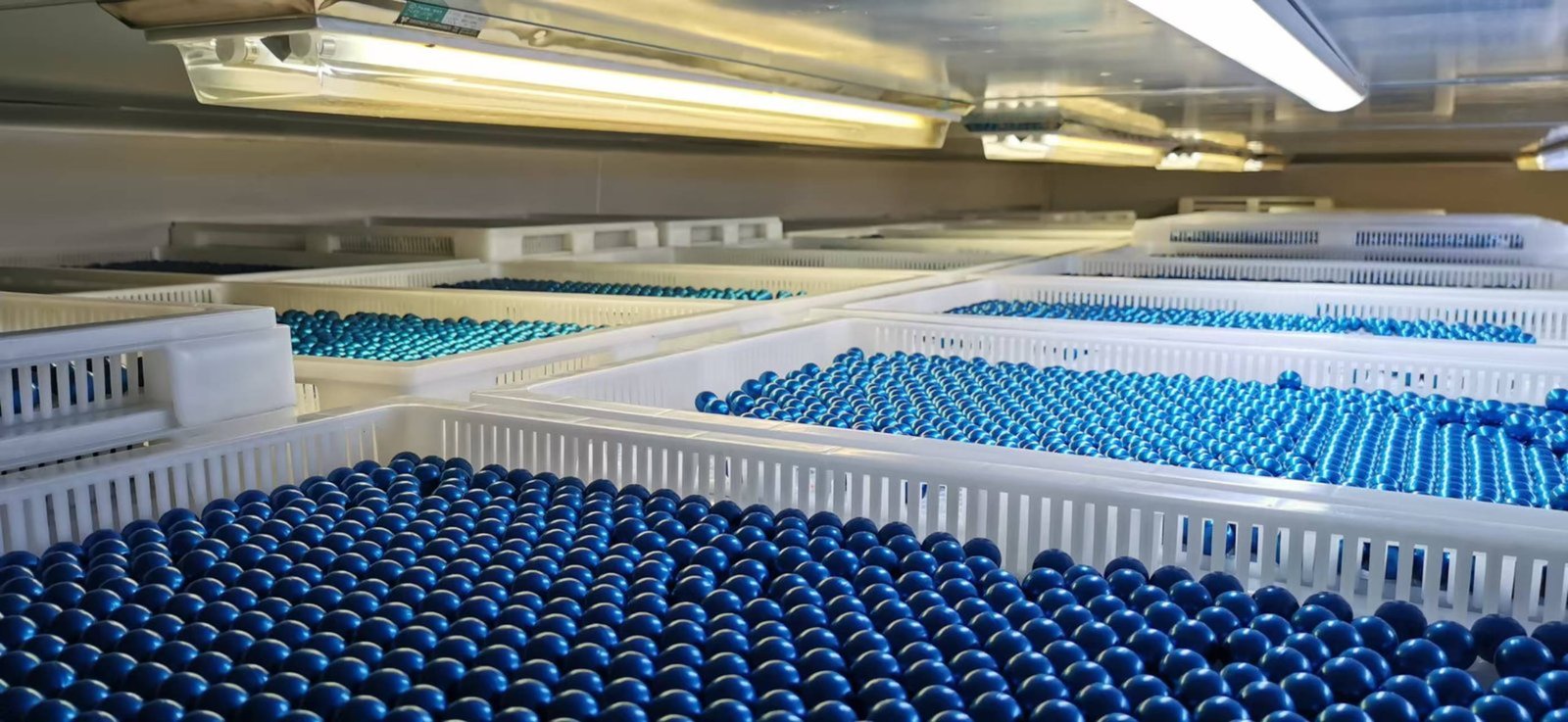 Private-label manufacturing
Your specification. Our expertise.
Right product.
Right market.
Five families.
One right fit for your market.
.68 inch
Paintballs
.50 inch
Paintballs
.43 inch
Paintballs
6 mm
Airsoft BBs
7 mm
Gel balls
Solving the problems
that cost you customers.
From quality complaints to launch risk, here is how C-STAR helps field operators, distributors and brands.
-
Complaints & after-sales issues
Consistent quality, batch after batch
Uniform size and roundness support accurate shooting and help reduce product-related complaints and after-sales issues.
-
Blending in with everyone else
Your brand, not a generic box
Private-label specifications help your range stand out on the field and protect your brand reputation.
-
Product not fitting the market
Entry-level to tournament grades
Match quality and pricing to casual players, everyday field use or professional competition.
-
Inconsistent play in your climate
Climate-specific formulas
Select paintball formulas suited to your local climate and playing conditions for a more reliable player experience.
-
High barrier to launch
Start with just 50 boxes
A low starting MOQ lets you test a new range with less stock risk. Confirm product eligibility, box contents and customization terms in your quotation.
03 / Material & quality
Quality starts
in the shell.
Cheap paintballs cost more than they save.
The material and consistency of a paintball decide how it feels in the barrel, in flight, and on impact. Inferior paintballs put your equipment, your players, and your brand reputation at risk.
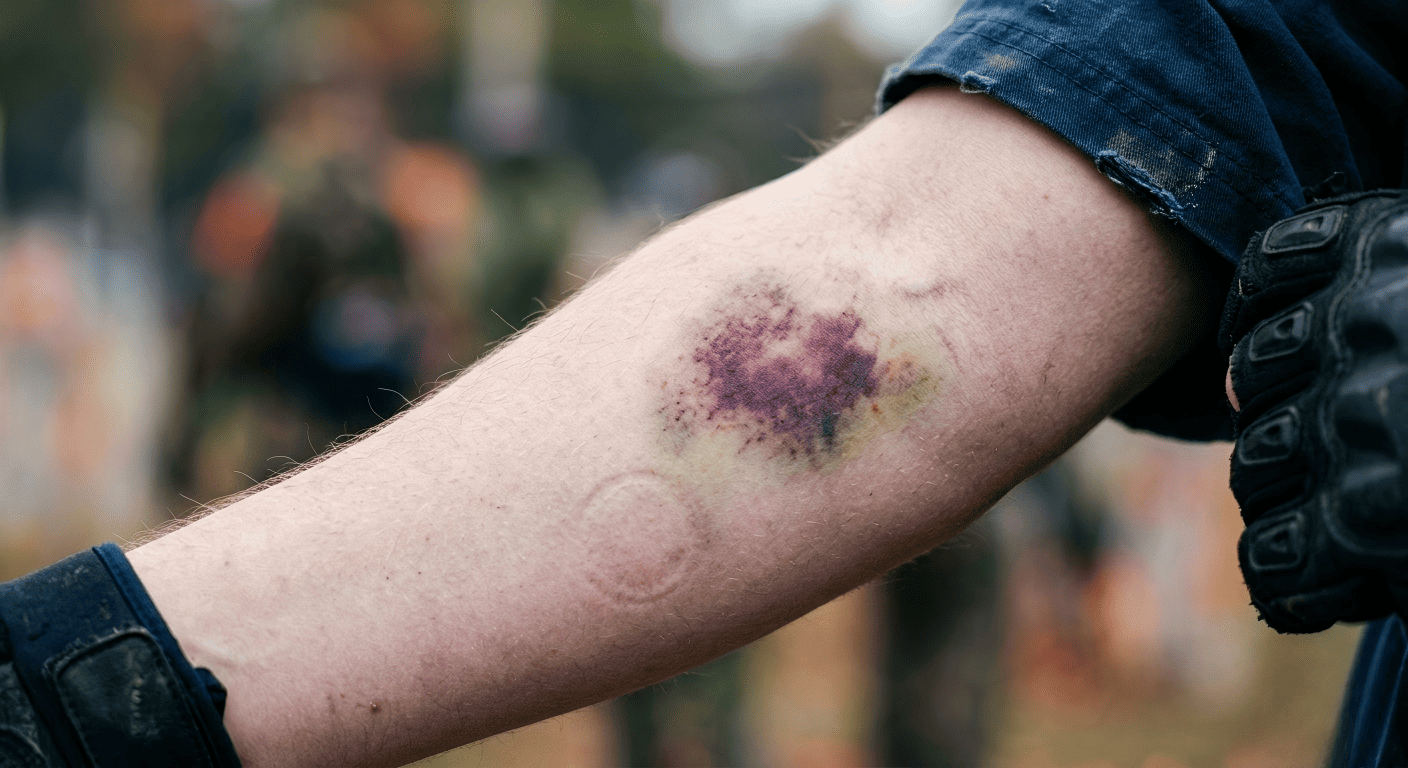
Hurt by paintballs
Hard, uneven shells can fail to break and leave players with excessive pain.
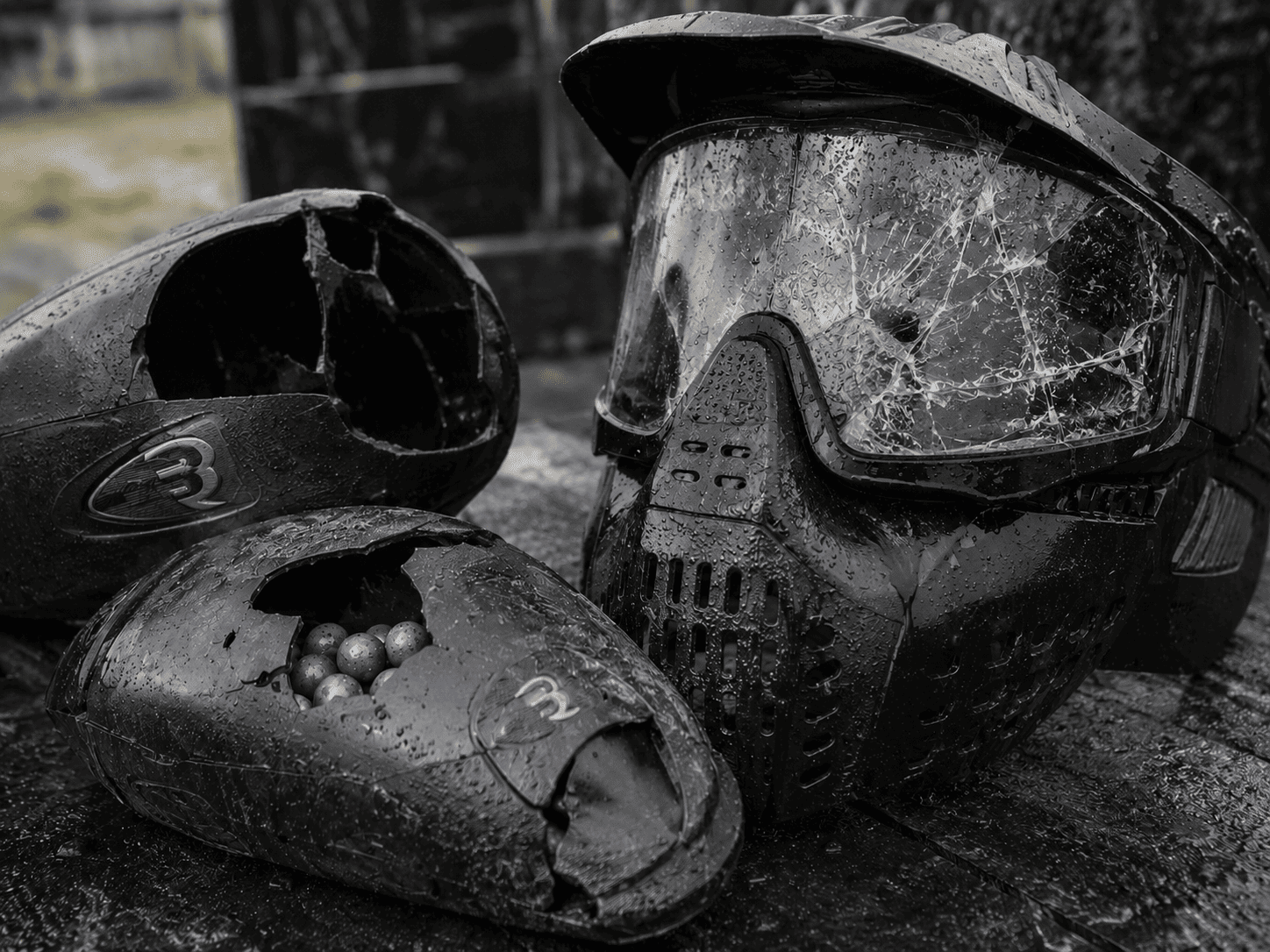
Damaged masks
Poor materials and inconsistent fill can wear down masks and other gear.
-
Equipment damage
Inconsistent size and weak or brittle shells can break in the barrel or feed system, leaving residue that harms markers, masks, and other gear, and driving up maintenance costs.
-
Excessive pain
Thick or uneven shells may not break on impact. The force goes into the player instead, causing sharp pain, welts, and bruises that turn off newcomers and veterans alike.
-
A poor experience
Erratic flight, missed marks, and dull or messy splats ruin the fun. Players complain, fields deal with returns and after-sales issues, and brand reputation suffers.
The C-Star standard
With over 25 years of production and R&D expertise and a brand-new manufacturing line, C-Star Technology builds consistent, high-quality paintballs that protect your players, your equipment, and your brand.
C-Star Technology / .50 caliber
.50 Caliber
Paintballs
Low impact.
Wider appeal.
Gentler play for more people, lower shipping cost per unit, and a higher profit margin on every game day.
The .50 caliber format has become increasingly popular in recent years, and it is easy to see why. Its low-impact feel makes paintball less intimidating for beginners, families and younger players, where venue rules and age requirements permit. For field operators and brands, that means a bigger customer base, and a smaller, lighter ball that is more efficient to ship.
-
Low impact, more welcoming
A lighter, smaller ball delivers a gentler hit, so first-timers feel more confident and are more likely to come back for another game.
-
Suitable for more players, even kids
Youth sessions, family days, birthday parties and team-building groups all become realistic bookings, with proper supervision and protection in place.
-
Lower shipping cost, higher margin
Smaller paintballs pack more efficiently, which lowers freight cost per unit. Combined with our competitive pricing, more of every sale stays in your pocket.
Custom branding available.
Tell us your field and your audience.
Safety first. Low-impact play can still cause pain or injury. Appropriate protection and responsible supervision remain essential, and all play should follow venue rules and age requirements.
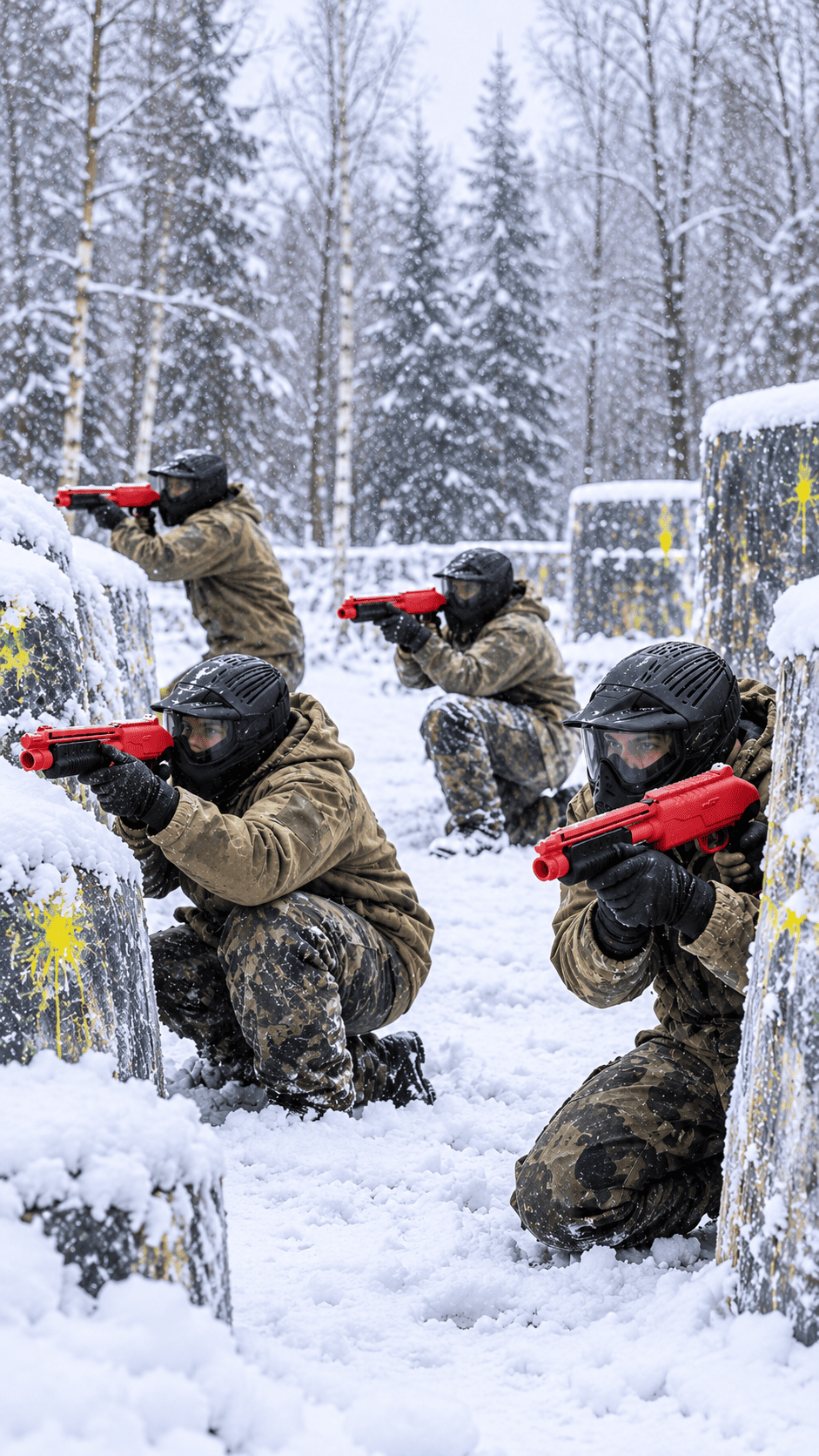 Growing in popularity
Youth. Family.
Birthday parties.
- Your brand, your paintballs
- Custom
- Complaints and after-sales issues
- Fewer
- Premium performance, fair price
- Value
Glow & UV Series
Made to glow.
Paired with the right gear.
Our glow-in-the-dark and UV light paintballs are built for striking night-time play. To see their full effect, they work best alongside dedicated lighting equipment.
- Glow in the dark
Charge it. See it.
Glow-in-the-dark paintballs pair with compatible lighting accessories, such as loaders or barrels with built-in light sources, so the glow stays bright in low light.
- UV light
Reactive under UV.
UV light paintballs reveal their glow under UV lighting. Setting up UV coverage across the playing field lets every hit stand out during the game.
Tell us about your field and setup. We'll recommend the compatible equipment.
 Gear up. Light up.
Cold-weather series
C-STAR
Winter Paintballs
Built for the Cold.
Made to Keep You Playing.
Cold-weather play
Keep your games moving when temperatures drop. C-STAR Winter Paintballs combine a reinforced gelatin shell with a low-freezing-point fill, engineered for cold-weather play down to −25°C (−13°F).
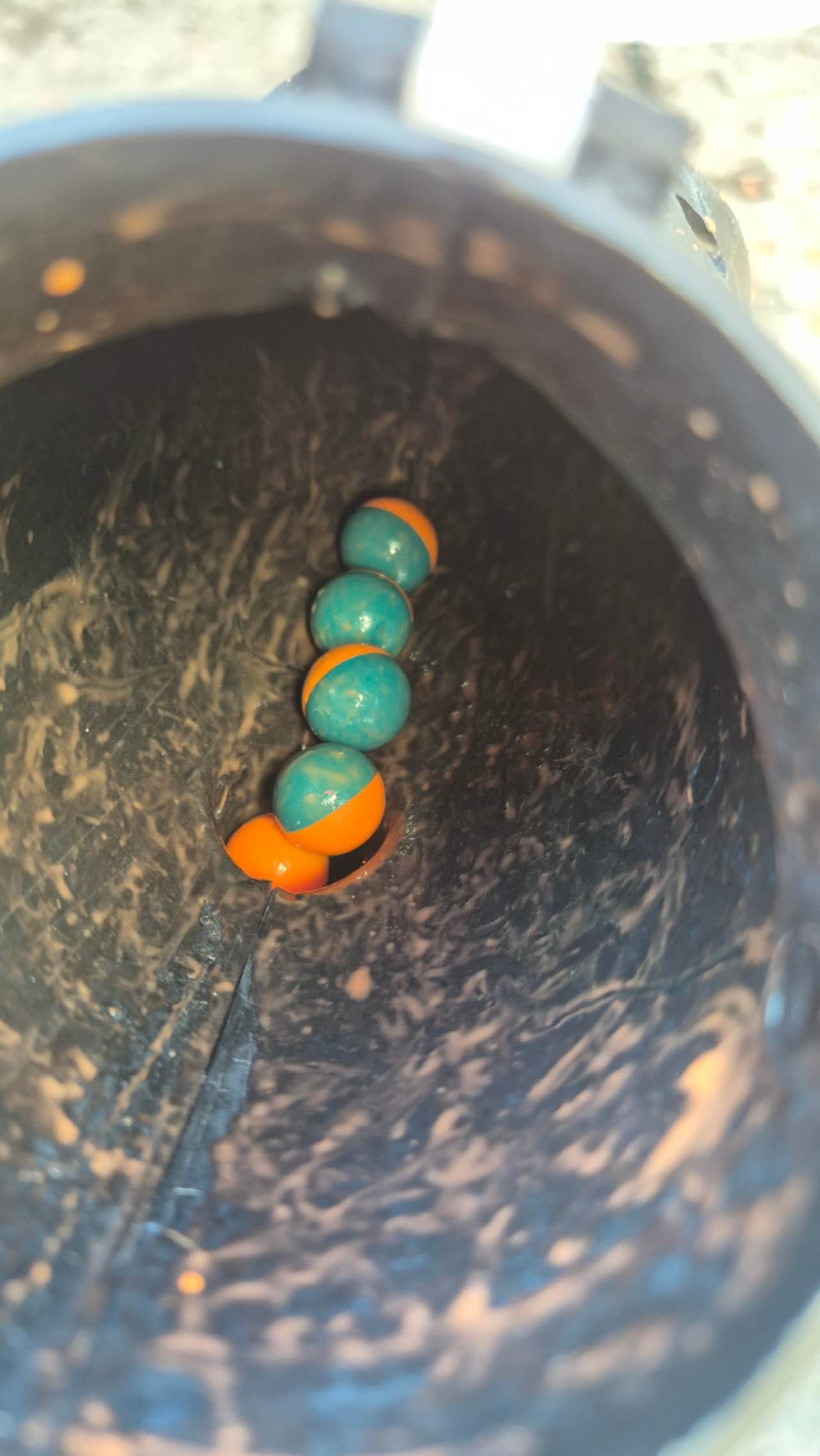
The thicker, winter-specific shell is designed to retain flexibility in low temperatures and withstand the stresses of loading and firing, helping reduce premature breaks inside the marker. The cold-tolerant fill complements the shell formulation for winter use, while a bright, dual-color shell gives the paint a distinctive appearance.
For paintball fields, distributors, and players preparing for the winter season, C-STAR offers a purpose-built paintball designed around a practical goal: fewer cold-related interruptions and more time in the game.
C-STAR Winter Paintballs
Built for the Cold.
Made to Keep You Playing.
The best paint balls for winter: cold-tolerant, flexible and ready to fire.
Keep your games moving when temperatures drop. C-STAR Winter Paintballs combine a reinforced gelatin shell with a low-freezing-point fill, engineered for cold-weather play down to −25°C (−13°F).
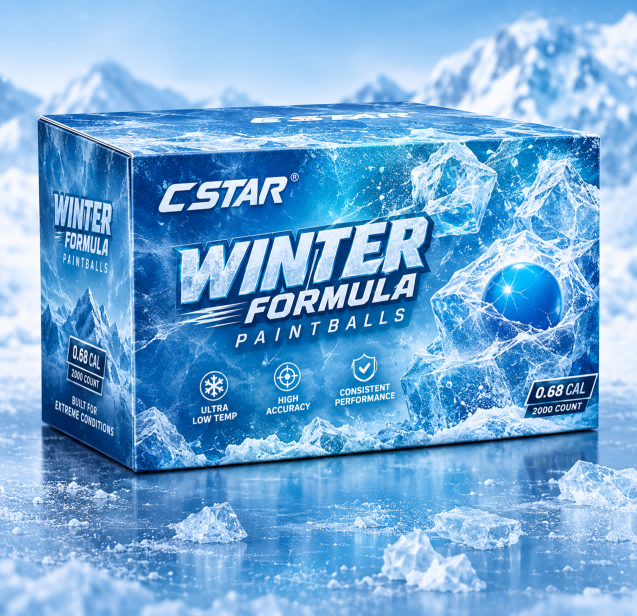 Winter formula
The thicker, winter-specific shell is designed to retain flexibility in low temperatures and withstand the stresses of loading and firing, helping reduce premature breaks inside the marker. The cold-tolerant fill complements the shell formulation for winter use, while a bright, dual-color shell gives the paint a distinctive appearance.
For paintball fields, distributors, and players preparing for the winter season, C-STAR offers a purpose-built paintball designed around a practical goal: fewer cold-related interruptions and more time in the game.
- −25°C
- Cold-weather play
- Reinforced
- Gelatin shell
- Low-freeze
- Fill formula
Why winter-specific matters
What happens when paintballs
aren’t made for the cold.
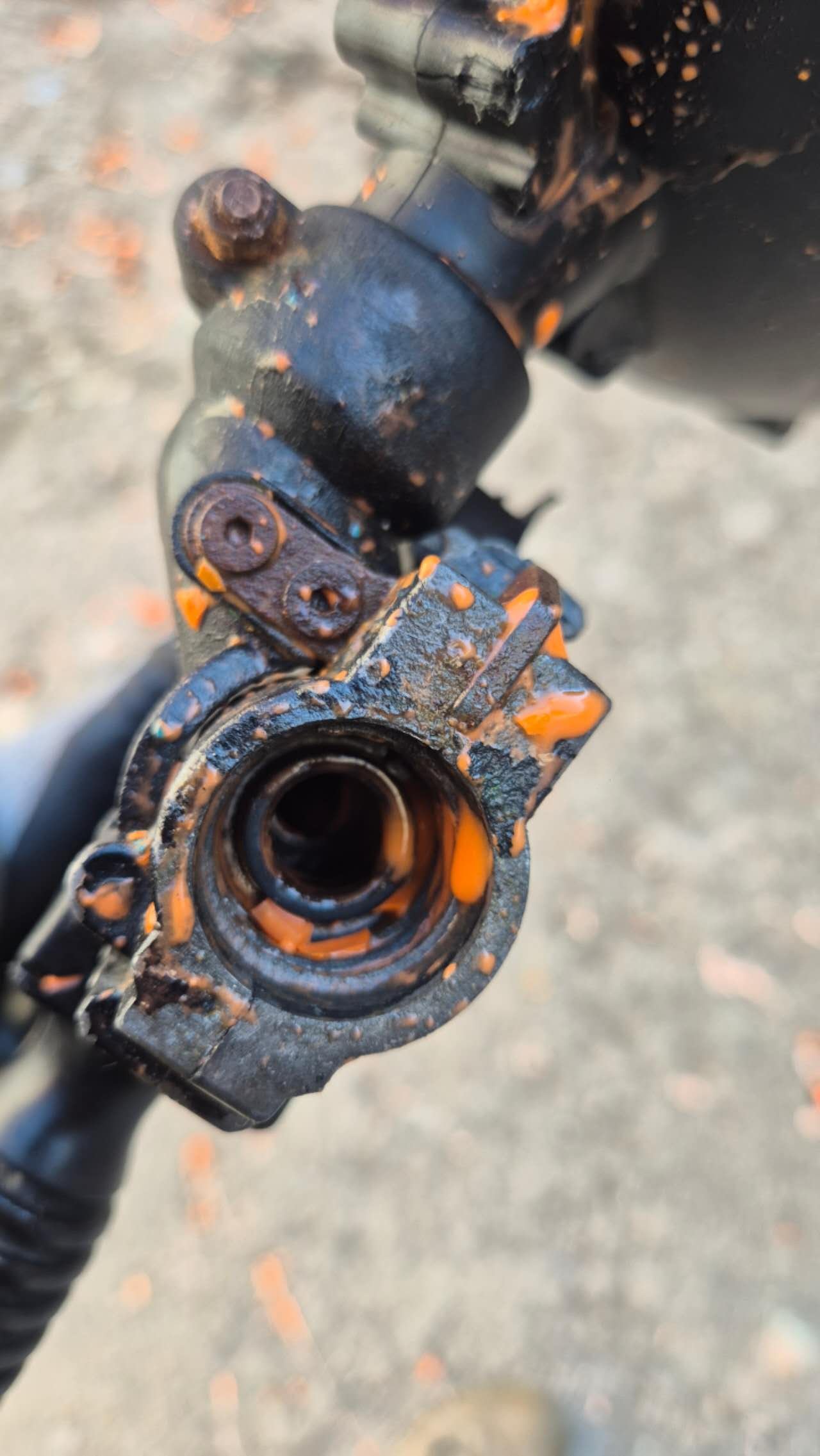
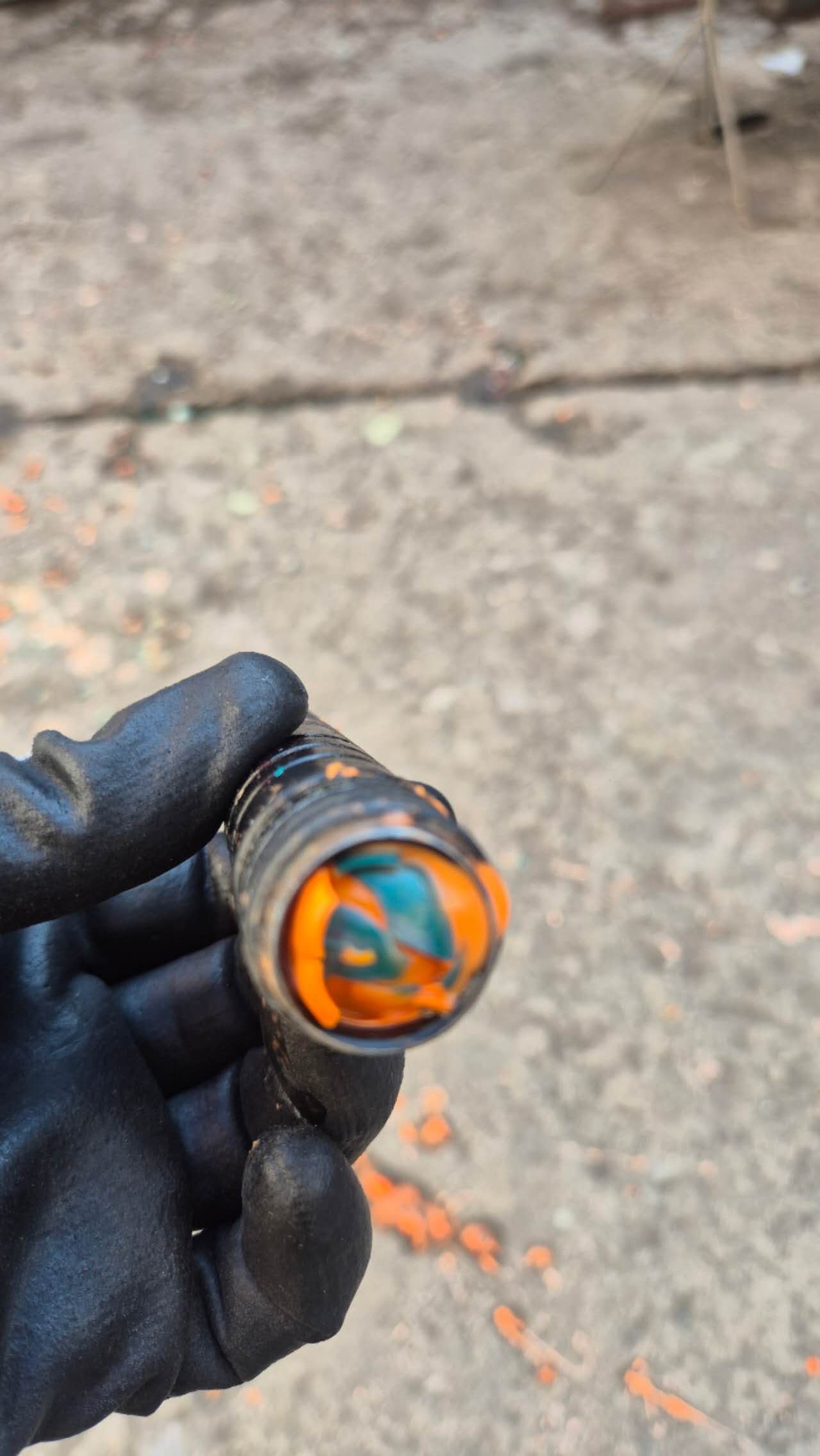
Standard paintballs can turn stiff and brittle in low temperatures. Choosing the best paint balls for winter helps avoid problems like these.
 Cold issue 01
Brittle shells
Shells that lose flexibility can crack or shatter before the paintball ever leaves the marker.
-
Cold issue 02
Breaks in the marker
Premature breaks during loading and firing leave residue and interrupt the game.
-
Cold issue 03
Interrupted games
A fill that isn’t built for low temperatures can thicken, leading to more stoppages and unhappy players.
04 / Packaging specifications
Packed with care.
Ready to ship.
From a single box to a full container
Every order is packed in sturdy cartons, stacked on pallets, and loaded to keep your paintballs round, dry, and field-ready. Use the figures below to plan your stock, freight, and storage with confidence.
- .68 cal rounds per box
- 2,000
- .50 cal box options
- 2,000 or 4,000
- .68 cal boxes per 40 ft container
- 3,000-3,200
 Standard caliber
01 / .68 caliber
From box to container.
Our .68 caliber paintballs ship in 2,000-round cartons of about 7.2 kg each. Pallets hold 150-160 cartons, so a single container delivers millions of rounds in one shipment.
- Step 1 / Rounds per box
- 2,000
- Step 1 / Approx. box weight
- 7.2 kg
- Step 2 / Boxes per pallet
- 150-160 boxes ≈ 300,000-320,000 rounds
Step 3 / Container loading
Boxes per container
- 20 ft container
- 1,500-1,600 boxes ≈ 3.0-3.2M rounds
- 40 ft container
- 3,000-3,200 boxes ≈ 6.0-6.4M rounds
Round totals are calculated from the listed box counts at 2,000 rounds per box.
02 / .50 caliber
Two box sizes. One flexible plan.
Choose the carton that fits your field or retail setup. Our .50 caliber paintballs are available in 2,000-round or 4,000-round boxes, with pallet counts that adjust to the box size you select.
- Option A / Rounds per box
- 2,000
- Option B / Rounds per box
- 4,000
- Boxes per pallet
- 150-448 boxes, depending on configuration
 Compact caliber
05 / Paintball quality guide
Common paintball
quality issues
Real defect, or just the nature of the product?
Paintballs have gelatin shells, and gelatin responds to heat, humidity and pressure. Some small imperfections are therefore a matter of physics and logistics, not poor workmanship.
With more than 20 years of production and inspection experience, we have seen each of these issues first-hand. We know how to prevent them, how to reduce how often they occur, and how to tell a minor flaw from a genuine problem. This guide shares that knowledge.
Quick reference
How to tell the difference
The rule of thumb: scale matters. Isolated, light marks are normal. Widespread or severe problems are not.
Normal / Unavoidable
Minor imperfections
Caused by the product's physical properties or by transport and storage. They do not affect normal use.
- Minor flat points. Small contact marks from paintballs pressing together during transport or long storage.
- Slight leakage. A few boxes, bags or individual paintballs. No manufacturing process can eliminate it 100%.
- Natural size variation. Small differences in diameter that stay within a controlled range.
Widespread / Severe
Genuine quality problems
Problems that affect a large share of a shipment or noticeably hurt accuracy, feeding or gameplay. These are worth raising with your supplier.
- Severe leakage. Most boxes affected, with bags dripping and shells soaked.
- Oversized paintballs. Diameter outside the acceptable range, causing barrel fit and feeding problems.
- Widespread deformation. Bumps, dents and irregular shapes that disrupt trajectory.
Issue 01 / Shell integrity
Leaking
paintballs
A little residue and widespread leakage tell very different stories. Check the shells, the bags and how far the problem extends before judging a shipment.
Leaking paintballs can reduce accuracy, and leaked fill may damage internal marker parts and shorten equipment life.
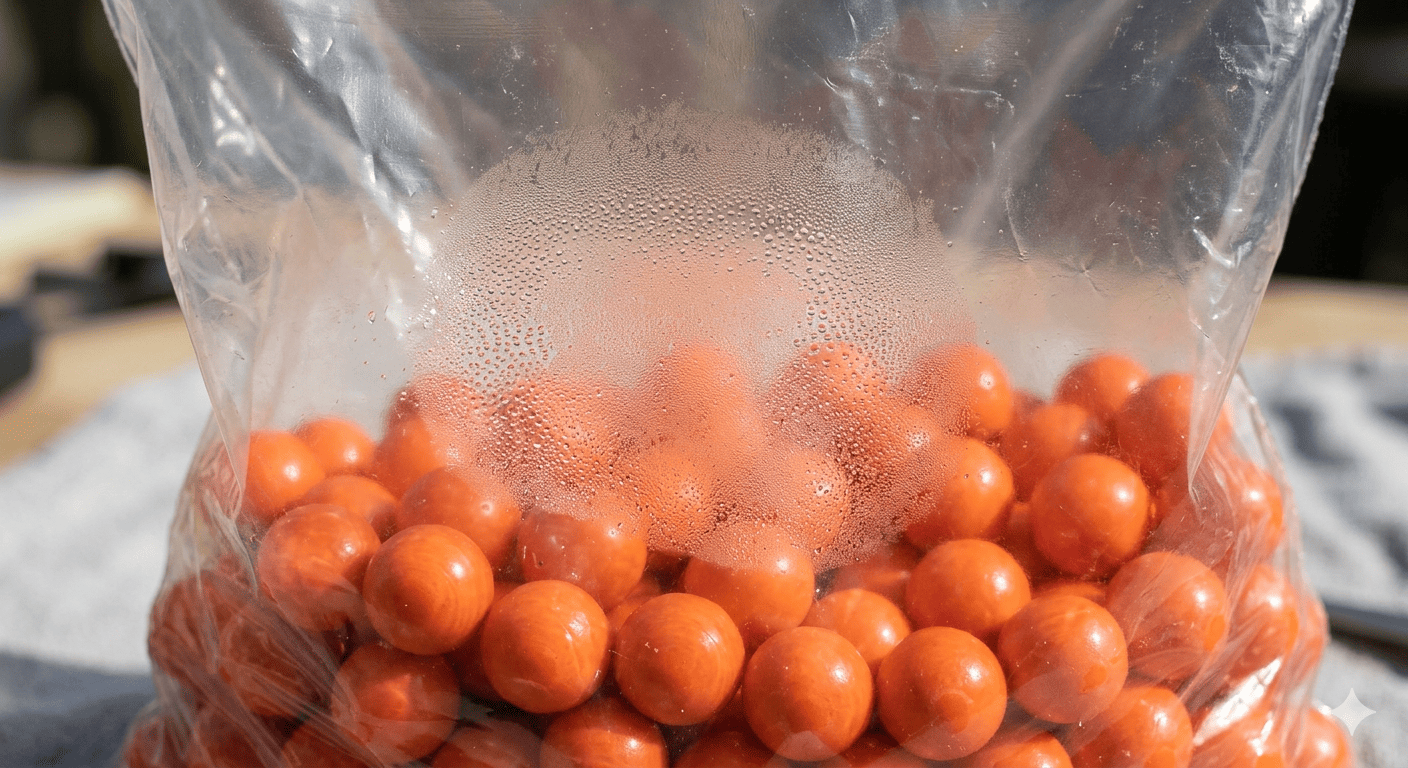
Occasional / Limited residue
Minor leakage
Minor leakage can occur occasionally and cannot be completely eliminated by any manufacturing process. It is typically limited to a small number of boxes, bags or individual paintballs.
What to look for
- Only a few boxes are affected in a shipment of, for example, 150 boxes.
- One or two bags in an affected box show a foggy film or light residue.
- Only one or two paintballs in a bag are leaking, even if a droplet is visible on the bag.
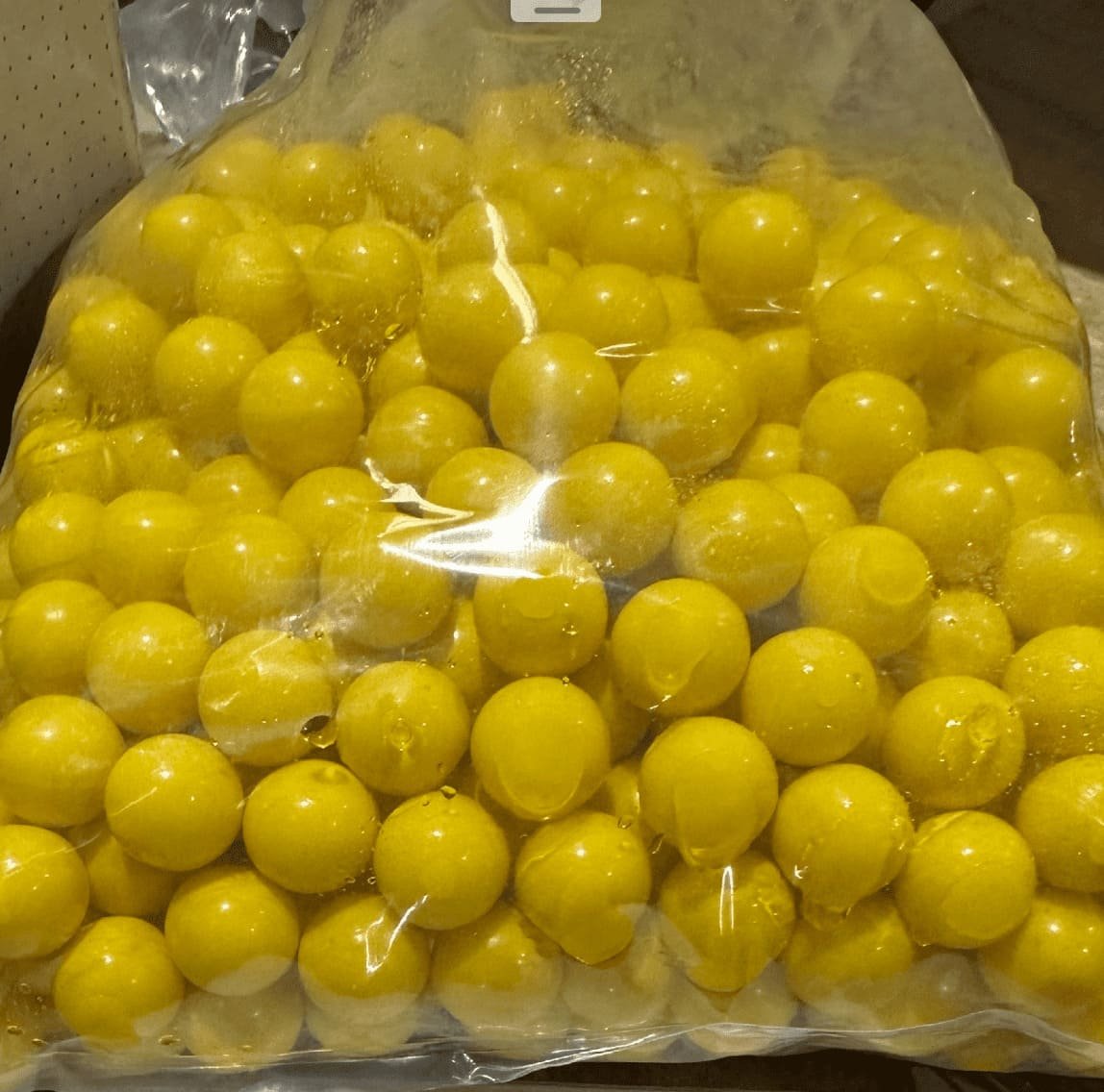
Widespread / Heavy residue
Severe leakage
Extensive leakage is a genuine quality concern. Cleaning heavily affected paintballs creates significant extra work for field operators and may still leave accuracy compromised.
What to look for
- More than 80% of the boxes in a shipment of, for example, 150 boxes show leakage.
- Almost every bag in an affected box contains leaking paintballs.
- Bags are dripping with fill, and paintballs look soaked rather than lightly marked.
 Issue 02 / Size consistency
Issue 02 / Dimensions
Oversized paintballs
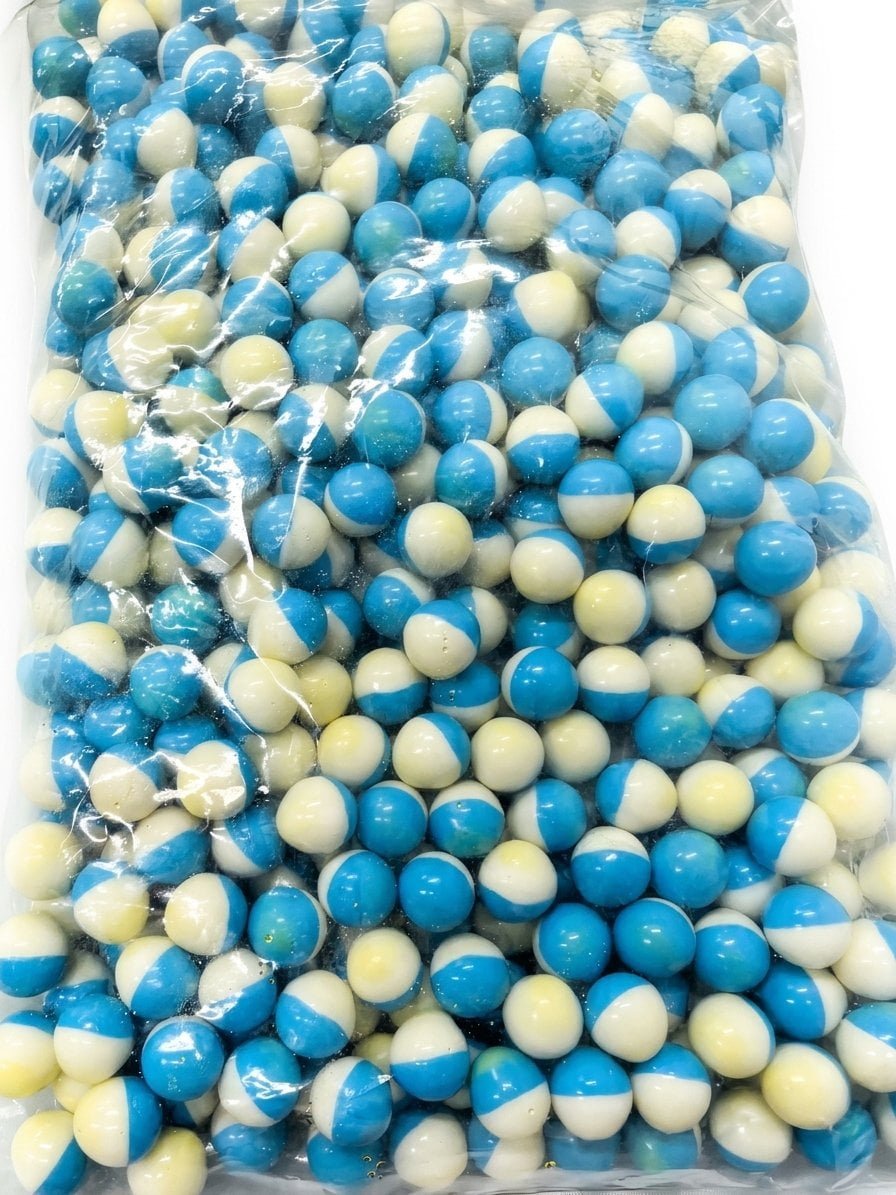
Caliber is a nominal size. Because of natural variation in manufacturing, .68 and .50 caliber paintballs do not all measure exactly 0.68 or 0.50 inches. Slight variation is normal. What matters is keeping it within a controlled, acceptable range.
Shells are formed and dried from gelatin, a process influenced by temperature and humidity, so consistent dimensions depend on careful process control and experience. Normal variation should not be confused with oversized paintballs. Once paintballs exceed the acceptable range, they can cause poor barrel fit, feeding difficulties and inconsistent performance.
Normal
Slight size variation
Diameters stay within a controlled range and paintballs feed and fit the barrel as expected.
Defect
True oversizing
Diameters exceed the acceptable range, causing poor barrel fit, feeding trouble and inconsistent shots.
Choosing a supplier? Look beyond price. Ask how dimensions are controlled, how finished batches are inspected, and how consistency is maintained from order to order. An experienced manufacturer lowers quality risk and protects your brand's reputation.
 Issue 03 / Shape & roundness
Issue 03 / Roundness
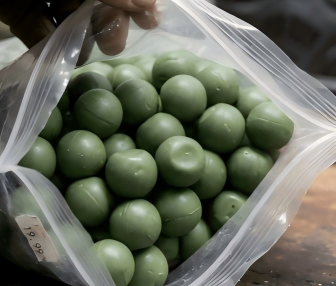
Deformed paintballs
Deformed paintballs are a common quality issue and should not be confused with flat points. They have irregular shapes, with bumps and dents on the surface, that can disrupt trajectory whether the deformation is severe or slight.
Paintballs are prone to deformation during manufacturing, which is why a manufacturer's expertise in prevention matters so much. Deformation falls into two categories: severe and slight.
Defect
Severely deformed
A genuine quality problem when either of these applies:
- More than 60% of the boxes in a shipment of, for example, 150 boxes contain deformed paintballs.
- Every bag in a box contains deformed paintballs, at more than 10% of each bag.
Occasional
Slightly deformed
Isolated cases, typically one of these:
- In a shipment of, for example, 150 boxes, no more than 10 boxes contain deformed paintballs.
- In an affected box, only 1-2 bags contain deformed paintballs, with 1-3 paintballs per bag.
Extreme heat also contributes to deformation. As temperatures rise, paintballs soften and compress against each other inside their packaging. Significant deformation can frustrate players at the field and hurt gameplay.
Slight deformation rarely affects play, but a brand that wants to stand out in a competitive market should aim to minimize it. Working with a manufacturer experienced in paintball production, and shipping in temperature-controlled, refrigerated transport, greatly reduces the risk.
 Issue 04 / Storage & transport
Issue 04 / Environmental
Flat point paintballs
Flat points are common, but they are also the most forgivable of all paintball issues. Gelatin shells are very sensitive to temperature and humidity, and heat and humidity soften them. When paintballs press against each other during transport or long storage, flat spots form.
Flat points do not come from the production process. They are caused by environmental conditions, and they fall into two categories: minor and severe.
Minor flat points
NormalA minor flat point is roughly the size of a sesame seed on the surface. It does not impede use. In theory it may alter aerodynamics slightly, but in practice the effect is negligible.
In standard containers, slight flat points are unavoidable, especially since shipments can spend up to 30 days at sea and cross tropical waters. For customers with stringent quality demands, particularly for tournament use, we recommend temperature-controlled, refrigerated containers, which help paintballs keep their hardness and avoid flat points.
Severe flat points
DefectWith severe flat points, a large part of the shell is flattened, from about 1/10 up to 3/5 of the surface. This disrupts the paintball's flight path and spoils the player's experience.
For example, if most paintballs in a 150-box shipment show severe flat points, extreme temperatures during transport are the likely cause, and paintballs may stick and clump together.
Even so, flat point paintballs can still be fired from a marker, which is why they are considered the "luckiest" of all paintball quality issues.
06 / Inside the paintball
What are
paintballs
made of?
A breakable shell.
A marking fill.
A carefully balanced formula
The material overview
Small sphere.
Several roles.
Paintballs combine a breakable outer shell with a colored marking fill. Depending on the formulation, ingredients may include gelatin, glycerin, colorants, starch, polyethylene glycol (PEG), and vegetable oils. Each ingredient contributes to the paintball's structure, consistency, marking performance, or cleanup characteristics.
- Shell
- Structure and controlled breakage
- Fill
- Color, consistency, and marking
- Complete formula
- Performance, cleanup, and stability
01 / The outer shell
Gelatin:
a natural,
biodegradable shell.
Gelatin is a natural protein derived from collagen. It forms the outer shell, while glycerin helps adjust flexibility so the shell can withstand handling and feeding yet break on impact.
Gelatin is biodegradable under suitable conditions, making it a useful material for applications where discarded shells need to break down over time. However, biodegradation depends on the surrounding temperature, moisture, and biological activity--it does not mean shells disappear immediately after use.
Gelatin shells also respond to temperature and humidity. Hot, humid conditions can make them softer, stickier, and more susceptible to deformation. Cold conditions can make some formulations stiffer and more brittle, increasing the risk of premature breakage. Seasonal formulations and appropriate storage help manage these changes.
02 / The water-soluble carrier
PEG:
water-soluble.
Easier cleanup.
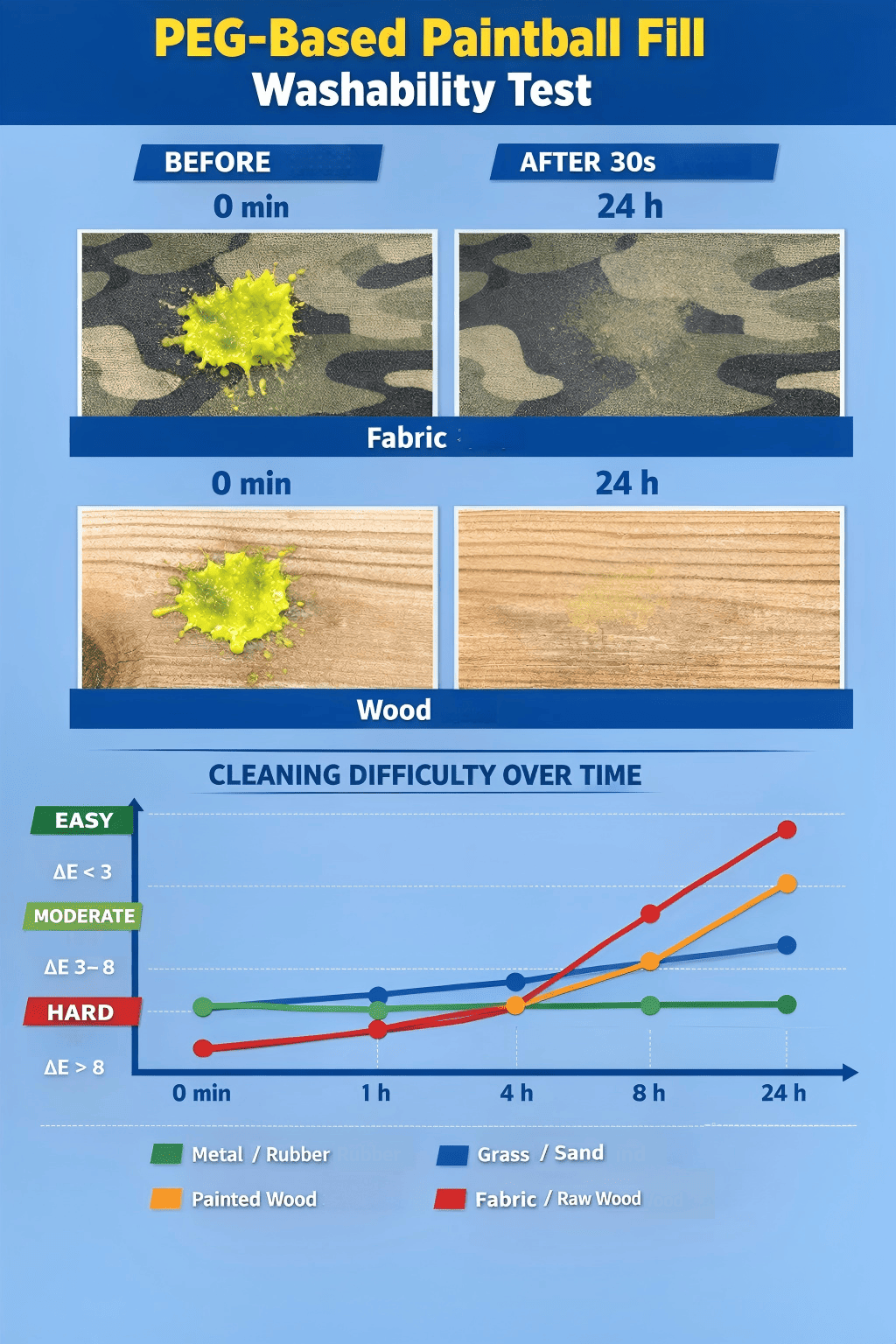
Polyethylene glycol, commonly called PEG, is used as a carrier in many paintball fills. Suitable PEG grades are valued for their water solubility, low odor, and generally low toxicity.
Its water solubility helps the fill disperse during washing, making cleanup easier than with oily residues. Actual washability also depends on the colorants, other ingredients, and the material being cleaned.
PEG does not undergo the same fat-rancidity process as vegetable oils, which can help reduce rancid-odor problems. However, a finished paintball's long-term odor stability still depends on its complete formulation, manufacturing quality, packaging, and storage conditions.
03 / The plant-derived carrier
Vegetable oils:
practical benefits.
Cleanup trade-offs.
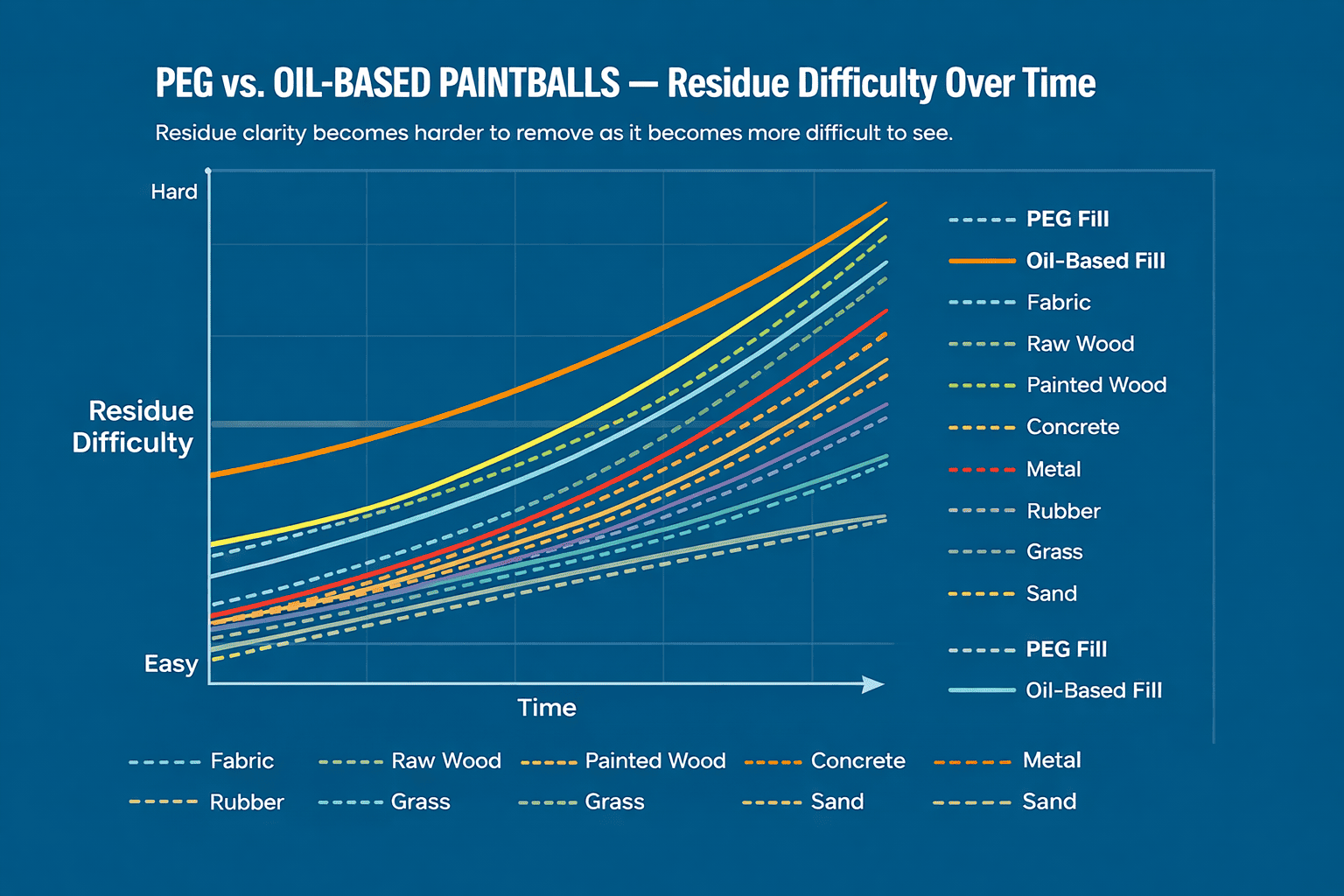
Vegetable oils can provide a plant-derived carrier for paintball fills and may offer cost advantages in some formulations. Their performance and storage stability vary with the type of oil and the other ingredients used.
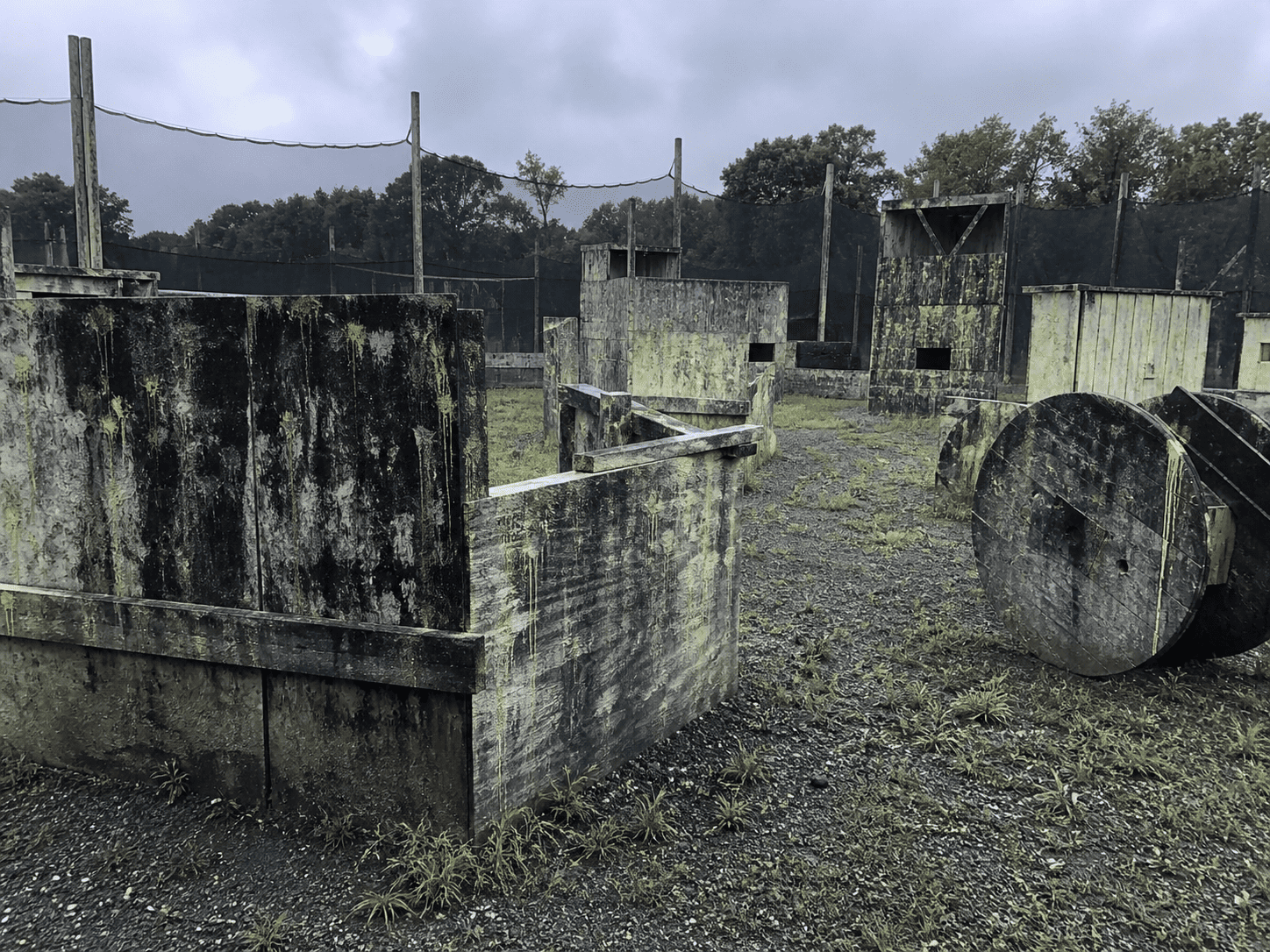
One disadvantage is oxidation. Exposure to oxygen, heat, and light can cause susceptible oils to deteriorate and develop rancid odors. Oil-based residues also resist removal with water alone, often requiring detergent and more cleaning effort.
If oily deposits are allowed to accumulate, they can trap dirt and leave surfaces looking greasy or dark. Persistent moisture and accumulated organic material can also create conditions that support mold growth.
04 / The complete formulation
Ingredients matter.
And so does
the complete formula.
Plant-derived ingredients, biodegradable shells, and water-soluble fills each offer useful benefits, but they describe different properties. A paintball's overall safety, environmental impact, and washability depend on the complete product.