
Field operations · Procurement · Quality
Why Customized Paintballs Matter for Paintball Fields
Match your paint to your conditions, rental fleet, and customers. Then use field feedback to keep improving quality and plan stock before the busiest weekends arrive.
Customized paintballs for fields connect product specifications with local playing conditions, equipment, and actual customer feedback. A well-managed program can help address avoidable complaints, reduce paint-related waste and cleanup, and keep games running smoothly. Consistent experiences give customers more reasons to return. A dedicated field quality profile and a realistic replenishment plan make those requirements easier to repeat. Appropriate paint selection also supports wider risk management, alongside protective equipment and responsible field operation; it cannot guarantee injury-free play.
Your Paintballs Are Part of the Experience You Sell
A field sells an organized day of play. Customers remember whether equipment worked, games flowed, and staff resolved problems quickly. Repeated barrel cleaning, a hopper full of broken paint, or disputed hits can interrupt that experience long before anyone asks what the paintballs cost per case.
For a first-time player, a frustrating session may become a reason to avoid another booking. For an organizer, equipment delays can undermine confidence in the venue. Reliable paint gives staff more time for briefings, supervision, and customer service, while helping the field manage complaints and protect its reputation.
The commercial goal is practical: fewer avoidable interruptions, less wasted paint, and a smoother experience that supports repeat business. Track those outcomes in your own operation. Customization is a purchasing approach, and its value should be demonstrated through field records.
What Does “Customized Paintballs” Mean for a Field?
For field owners, useful customization starts with a written operating brief. It describes the playing season, equipment, expected handling, customer groups, and required supply schedule. A branded carton can be part of the order, while the performance requirements need their own clear agreement.
The most useful long-term asset is a dedicated field quality profile. The supplier and field should use it to connect each batch with feedback from actual game days. When conditions or equipment change, the profile provides a starting point for reviewing the next order.
| Record | What to agree and retain |
|---|---|
| Local conditions | Location, playing season, expected weather, and storage and transit conditions. |
| Equipment compatibility | Caliber, marker and loader models, barrel requirements, and manufacturer instructions. |
| Playing performance | Agreed expectations for feeding, handling, marking, and break behavior in the intended use. |
| Packaging and traceability | Pack configuration, lot identification, receiving checks, and storage guidance. |
| Feedback and revisions | Complaints, break locations, cleanup time, investigation results, and approved specification changes. |
| Supply requirements | Forecast volumes, approval dates, confirmed lead times, and replenishment arrangements. |
Each adjustment should produce an identifiable, approved version of the requirements. That allows the field to learn what worked and makes repeat orders more precise. Ask the supplier how this record will be maintained, who reviews feedback, and how changes will be confirmed before production.
Why Local Climate and Season Belong in the Buying Brief
A cold outdoor venue in Canada, a humid summer field in the United States, and an indoor site in the United Kingdom may have different operating needs. Even one field can face changing conditions between morning setup, afternoon games, and seasonal peaks.
Manufacturers recognize seasonal differences. For example, G.I. Sportz describes climate-oriented paint and a dedicated winter range. C-STAR’s paintball range also lists climate-specific options. These product descriptions support discussing seasonal suitability with a supplier; they do not establish that one grade will work in every field.
Give the supplier your expected playing conditions and explain how paint moves from delivery to storage to the staging area. Request handling guidance for the actual product. Avoid applying a universal temperature rule to every brand and grade, and review stored stock before a seasonal change.
Custom specifications and careful handling work together. Suitable paint can still arrive or perform poorly after inappropriate transport, storage, or exposure during a game day. Keep those factors visible in the quality file.
Too Hard or Too Brittle: The Operating Cost of a Poor Match
Field staff often describe a problem as “too hard” or “too soft.” Those descriptions are useful starting points, but hardness, brittleness, size, and condition are different characteristics. The aim is paint that survives the intended equipment and handling while delivering the expected performance in play.
When paint is too resistant to breaking
Repeated hits that fail to mark can lead to disputes and complaints. Reports of unusually uncomfortable impacts also deserve prompt investigation. Review the paint, impact circumstances, equipment condition, and operation within the required field limits. Do not diagnose the batch from a single bounce.
Field owners may also report damage to paintball goggles, loaders, clothing, or field fixtures. These reports matter, but shell hardness alone does not establish why something was damaged. Impact damage, fill compatibility, existing wear, and inappropriate cleaning can require separate investigation. The ASTM F1979 projectile specification includes suitability considerations relating to breakage and material compatibility; supplier documentation is more useful than an unsupported claim that harder paint always damages gear.
When paint breaks before it reaches the player
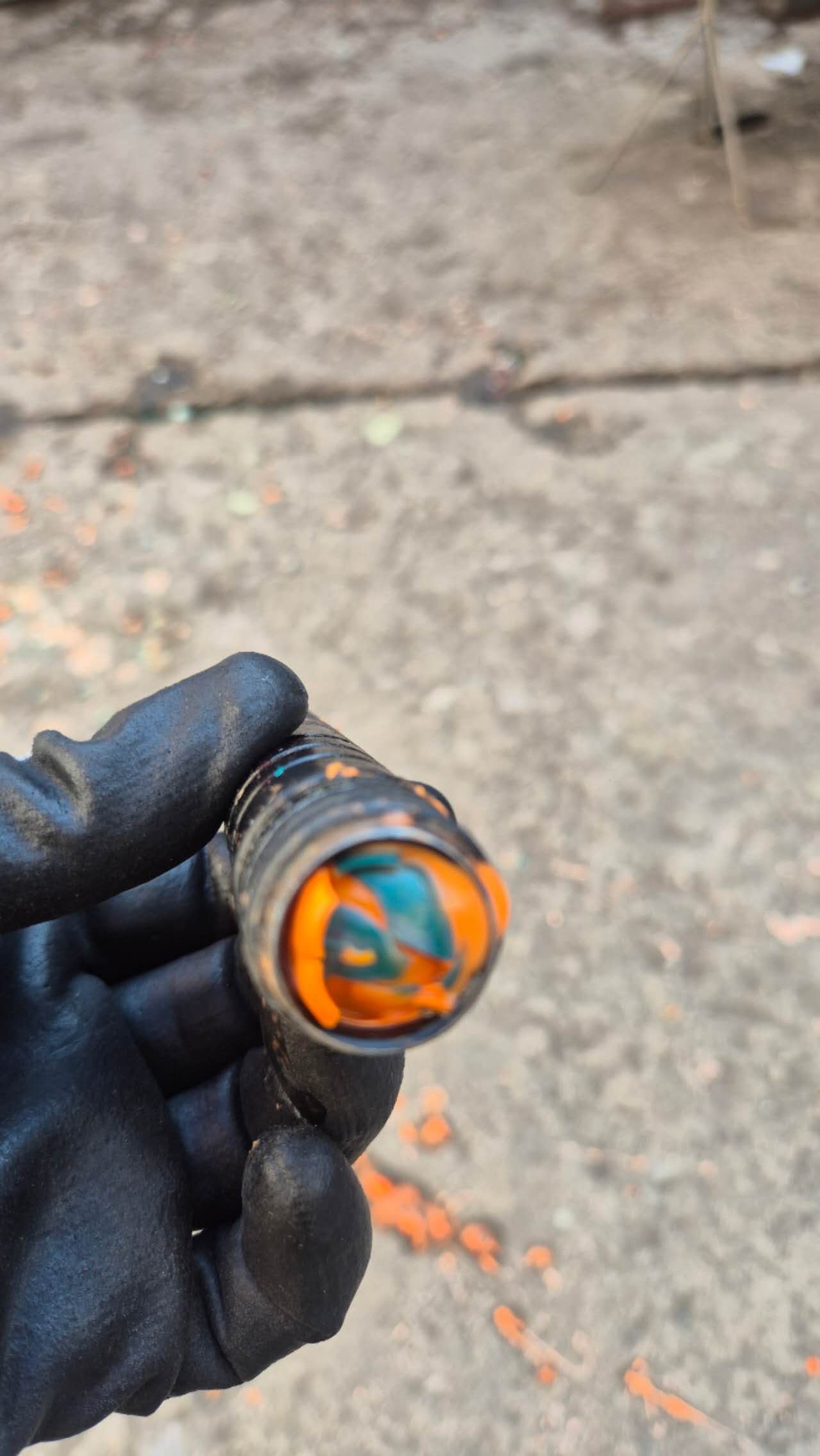
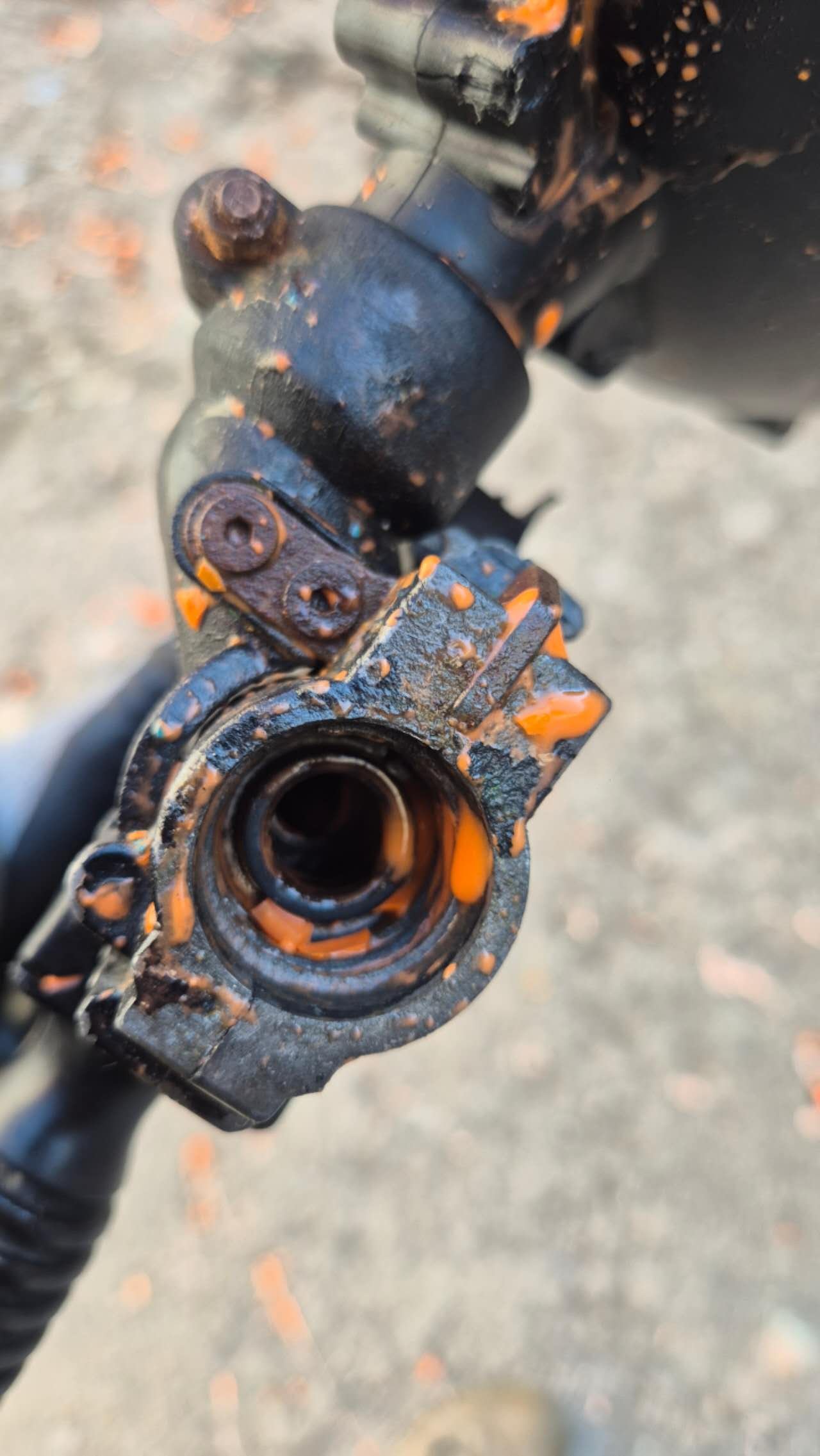
Paint that is unsuitable for the equipment or handling conditions may break in a loader during normal use or inside the barrel. Staff then have to stop, clear residue, inspect components, and restore the equipment according to its instructions. Further paint may become contaminated, adding waste and interrupting the next game.
Possible causes include paint condition, unsuitable brittleness, damaged balls, exposure during transport or storage, and equipment or fit problems. Record where the break occurred and which batch and equipment were involved before deciding what to change.
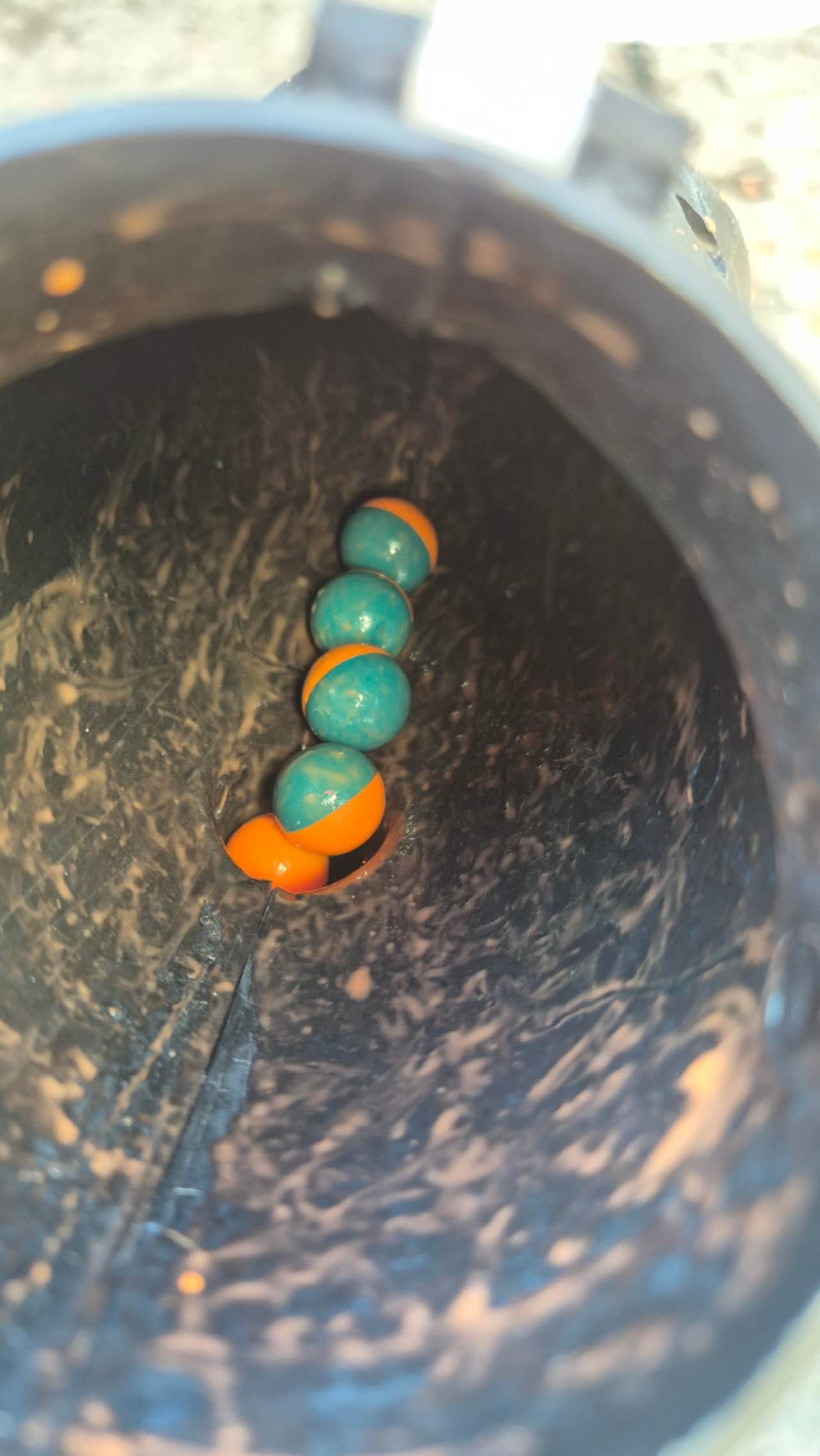
| Observed symptom | Possible contributors | Useful verification |
|---|---|---|
| Frequent unbroken hits | Paint characteristics and impact conditions. | Record conditions and lot details; review expected break performance with the supplier. |
| Paint broken in a hopper | Paint condition, damaged balls, handling, or loader issues. | Inspect the loader as instructed and compare affected equipment and batches. |
| Paint broken in a barrel | Paint condition, fit, feeding, or marker issues. | Review paint and equipment together, within manufacturer instructions and field rules. |
| Reported equipment damage | Impact circumstances, material compatibility, cleaning, or existing wear. | Document the damage and obtain the relevant equipment and supplier assessment. |
Less Paint-Related Maintenance Means More Time for Customers
The cost of a break includes more than the paint inside the equipment. A staff member may need to leave the staging area, provide a replacement, clean the affected parts, and check that the equipment is ready to return to service.
A useful quality program therefore records cleanup and inspection time alongside paint waste. Compare purchase and delivery costs with avoidable cleaning labor, verified paint-related repair expenses, and refunds or discounts attributable to the problem. Avoid counting every equipment failure as a paint defect.
Simple records can make supplier discussions more productive: complaints per 100 visits, cleaning minutes per 1,000 paintballs issued, and equipment substitutions caused by recorded paint problems. Use consistent definitions and note weather or equipment changes. Customer retention can also be monitored, while recognizing that staffing, pricing, and the wider experience influence repeat bookings.
Turn Field Feedback into Better Repeat Orders
A custom program becomes useful when field experience changes the next purchasing decision. A complaint such as “last Saturday’s paint kept breaking” needs enough detail for the field and supplier to investigate it together.
1. Record the conditions
Keep the batch reference, date, equipment model, storage history, weather, and a clear description of where the problem occurred.
2. Review the evidence
Share photographs and maintenance records. Consider paint, equipment, handling, and delivery conditions before assigning a cause.
3. Agree the response
Document any proposed specification, packaging, handling, or supply change, together with responsibility and approval requirements.
4. Update the field profile
Record the approved revision and subsequent field feedback so the next order builds on a known history.
This process gives the supplier a more precise brief than repeatedly requesting “better quality.” It also helps the field recognize a setup or storage issue that a product change alone would not solve.
Customization Needs a Peak-Season Supply Plan
Running out of suitable paint during a busy weekend can disrupt bookings and force an urgent purchase that has not been evaluated with the field’s equipment. Product suitability and stock availability deserve equal attention in the buying brief.
Start with expected demand by week, including booked groups and events. Confirm the total replenishment time: specification approval, production, packing, freight, customs where applicable, and final delivery. Custom orders may involve extra approvals or minimum quantities, so agree the timing before the peak arrives.
Use a documented replenishment trigger
Reorder point = expected demand during replenishment lead time + safety stockFor illustration only, demand of 8 cases per day over a 21-day lead time, plus 40 cases of safety stock, gives a reorder point of 208 cases. These numbers are arithmetic examples, not a recommended stock level.
Compare that trigger with inventory position: usable stock plus confirmed incoming stock, less stock already committed. Adjust your own buffer for demand variability, delivery uncertainty, storage capacity, and the product’s documented storage life.
Agree production slots, ordering deadlines, shipment milestones, and any reserved-stock or partial-delivery terms in writing. Keep a contingency for delays and define how an alternative product would be approved. Customization supports a more specific supply plan; it does not automatically reserve capacity or guarantee availability.
Support Safer Operations with Documented Product and Equipment Checks
Reducing avoidable incidents is a valid operating goal. Suitable, documented paint is one part of that work, together with appropriate paintball protective equipment, inspection and replacement practices, marker checks, field rules, and supervision.
Relevant references include ASTM F1776-26 for protective devices and ASTM F1777-19(2023) for game site operation. Confirm the requirements and editions applicable to your location, equipment, and insurer. These catalog references do not certify any C-STAR product or replace the full standards and equipment instructions.
Damaged or suspect goggles require attention under the manufacturer’s instructions before further use. A paint purchase should never be presented as permission to use compromised protection. Any claim that a particular custom grade reduces injury rates needs evidence; no supplier can eliminate every accident.
A Practical Buying Checklist for Field Owners
- Describe your field, customer groups, playing season, and expected conditions.
- Confirm caliber and compatibility with the actual marker, hopper, and barrel equipment.
- Agree product requirements and a representative field evaluation before scaling the order.
- Request relevant suitability documentation, packaging details, storage guidance, and batch identification.
- Agree how complaints, maintenance time, and supplier responses will enter the dedicated quality file.
- Confirm the forecast, approval deadlines, total lead time, and replenishment trigger.
- Review results after delivery and before major seasonal or equipment changes.
Discuss equipment requirements alongside the paint order; the C-STAR paintball gear range provides a starting point for that conversation. Keep the final purchase specifications and any compatibility commitments in writing.
Frequently Asked Questions
Are customized paintballs only about logos and packaging?
For field operations, useful customization also covers seasonal suitability, equipment compatibility, agreed playing performance, batch identification, and a dedicated field quality profile. Branding and packaging can be included, but the operating requirements should be documented separately.
Why are paintballs breaking in my hopper or barrel?
Possible causes include paint condition, unsuitable brittleness, storage or transport exposure, damaged balls, and equipment or fit problems. Record the batch, conditions, and location of the break, then review the paint and equipment together. The symptom alone does not identify the cause.
Will customized paintballs prevent injuries or accidents?
No paintball can guarantee injury-free play. Appropriate paint selection belongs within a wider safety program that includes suitable protective equipment, equipment checks, field rules, and supervision. Claims that a particular grade reduces injuries require supporting evidence.
Do custom paintballs guarantee stock during peak season?
Customization does not reserve production capacity or freight automatically. Agree the forecast, order deadlines, production schedule, delivery terms, and stock buffer with the supplier. Include the additional approval time that a custom specification may require.
What should a field send a custom paintball supplier?
Send your location and playing season, expected conditions, marker and loader models, caliber, current problems, batch references and photos, estimated demand, storage arrangements, and required delivery dates. Ask for a written proposal and an agreed feedback process.
Build Your Brief Around the Way Your Field Operates
Tell C-STAR where your field operates, which equipment you use, what problems you want to resolve, and when the next busy period begins. Ask the team to propose suitable paintball options, a field-specific quality record, and a realistic ordering and delivery plan.
The aim is a repeatable process that connects appropriate paint, useful feedback, manageable maintenance, and dependable preparation for game day.
Discuss your field’s paintball requirementsSources and Further Reading
- G.I. Sportz: seasonal paintball product descriptions
- ASTM F1979-17(2025): paintball projectile specification
- ASTM F1776-26: paintball protective-device specification
- ASTM F1777-19(2023): paintball game site operation
- C-STAR: paintball grades, climate options, and packaging
Manufacturer pages describe their own products. ASTM links identify published standards and their public catalog summaries; full paid standards and product compliance records were not reviewed. The operating frameworks and inventory example above are editorial guidance, not reported field trials.