
How to Secure Your Peak-Season Paintball Supply: A Field Operator’s Guide to Lead Times and Bulk Shipping
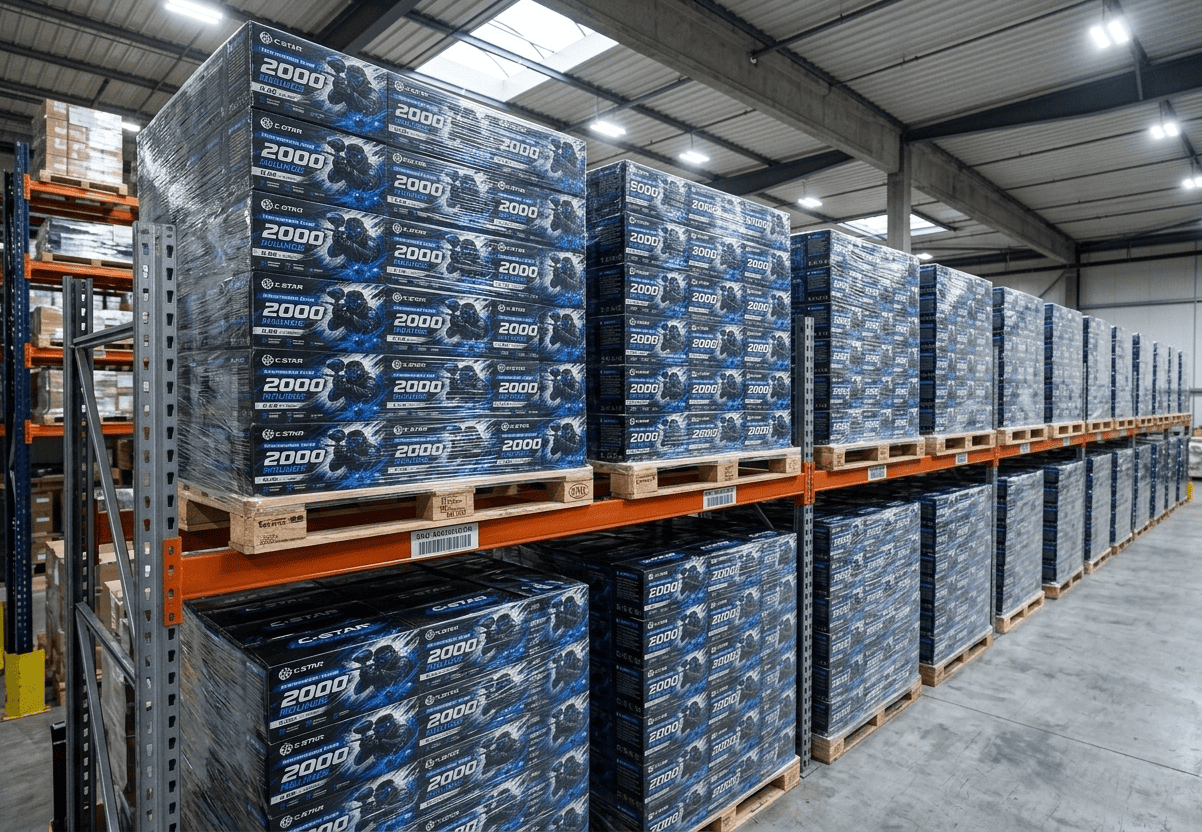
For most paintball field owners, inventory problems never start during peak season. They start 90 to 150 days earlier — when operators underestimate production lead times, wait too long to place orders, or rely on small domestic distributors already competing for limited inventory.
Every summer, the same pattern repeats across North America and Europe: fields suddenly run short on field-grade paintballs, tournament demand spikes, freight rates rise, and suppliers begin rationing inventory. The operators who planned ahead continue running profitable weekends. The operators who did not are forced into emergency air freight, expensive local purchases, or canceled events.
Most shortages happen because field operators fail to lock container production capacity early enough. In the global paintball supply chain, factory production slots matter just as much as price.
This guide breaks down exactly how modern bulk paintball supply logistics work — from Chinese manufacturing lines to overseas warehouse delivery — including production lead times, paintball pallet shipping, container booking strategy, customs clearance, seasonal demand forecasting, and how professional operators secure inventory for an entire year.
Why Bulk Paintball Supply Planning Matters More Than Ever
The global paintball industry has changed dramatically since the pandemic-era logistics disruptions. Ocean freight volatility, container shortages, rising resin costs, and unpredictable seasonal demand have permanently altered how successful fields manage inventory.
Today, large commercial paintball operators increasingly buy directly from a wholesale paintball manufacturer rather than relying entirely on regional distributors. The reason is simple:
- Better long-term pricing stability
- Guaranteed production allocation
- Custom shell formulas and fill options
- Improved freshness control
- Lower cost per case through pallet or container shipping
- Reduced risk of peak-season shortages
This shift is especially visible among:
- Large outdoor scenario fields
- Rental-heavy commercial parks
- European import distributors
- Tournament organizers
- Airsoft and family entertainment operators expanding into paintball
Understanding the Real Lead Time: Factory to Field
One of the biggest misconceptions in the paintball industry is assuming that inventory is always “ready to ship.” In reality, wholesale paintballs are usually produced based on rolling seasonal demand forecasts.
During spring and summer peaks, factories often operate near maximum production capacity. That means waiting until May to order July inventory is already too late.
The Typical Bulk Paintball Supply Timeline
| Supply Chain Stage | Typical Time | Key Risk Factors |
|---|---|---|
| Production Slot Booking | 2–6 weeks | Peak season congestion |
| Manufacturing & QC | 2–4 weeks | Shell curing & humidity |
| Export Packing & Palletization | 3–7 days | Container scheduling |
| Ocean Freight | 18–40 days | Port congestion & customs |
| Customs Clearance | 2–10 days | Documentation delays |
| Final Truck Delivery | 2–7 days | Warehouse appointment delays |
A “30-day shipment” often becomes a 60–90 day total logistics cycle once production scheduling and customs are included. Professional field operators plan inventory using total supply-chain timing — not just ocean transit estimates.
Why Container Shipping Beats Small Reorders
Many smaller paintball fields operate reactively: they buy paintballs month-to-month based on immediate cash flow instead of annual demand forecasting. This approach creates three major problems:
- Higher cost per case
- Inventory instability during peak season
- Exposure to freight market volatility
In contrast, experienced operators increasingly secure:
- Quarterly pallet programs
- Semi-annual container contracts
- Annual field-grade inventory commitments
Advantages of Container-Level Purchasing
| Benefit | Operational Impact |
|---|---|
| Lower Freight Cost Per Case | Improves field profit margins |
| Production Priority | Locks factory capacity before competitors |
| Stable Inventory | Avoids peak-season shortages |
| Better Product Consistency | Reduces shell variation between batches |
| Custom Packaging Options | Supports private label field branding |
| Long-Term Pricing Stability | Reduces exposure to raw material inflation |
What Most Field Operators Forget About Summer Demand
Paintball demand is not linear. The industry experiences highly concentrated seasonal spikes:
- Spring reopening weekends
- Summer camps
- Corporate events
- Bachelor parties
- Big-game scenario weekends
- Tournament seasons
- Holiday promotions
During these periods, distributors often prioritize their largest accounts first. Operators who wait until shortages begin are competing against the entire market simultaneously.
When paintball shortages happen, factories cannot instantly increase production overnight. Shell curing, gelatin sourcing, fill consistency, and quality control all require time.
How Professional Paintball Operators Forecast Annual Inventory
Advanced operators treat paintball inventory like any other industrial consumable. Instead of guessing demand, they build annual forecasting models based on:
- Average player count per weekend
- Rental-to-walk-on ratios
- Case consumption per player segment
- Historical weather patterns
- Tournament schedules
- Regional competitor activity
- Marketing calendar projections
Simple Forecast Formula
A simplified field-grade inventory model often looks like:
Average Weekend Players × Average Cases Used × Operating Weeks Per Year
For example:
350 players × 0.22 cases average × 42 operating weeks ≈ 3,234 cases annually
Once operators understand their actual yearly consumption, container-level purchasing becomes far easier to plan.
Why Paintball Pallet Shipping Requires Specialized Handling
Paintballs are highly sensitive products. Unlike metal parts or durable sporting goods, gelatin-shell paintballs react to:
- Temperature fluctuations
- Humidity exposure
- Long-term compression weight
- Excessive vibration
- Improper stacking pressure
That is why experienced wholesale paintball manufacturers use:
- Humidity-controlled warehousing
- Reinforced pallet wrapping
- Temperature-aware container loading
- Optimized carton stacking patterns
- Moisture barrier packaging
Summer container temperatures can exceed 50°C (122°F) during ocean transit. Proper pallet configuration and shell formulation dramatically affect paintball performance after arrival.
Direct Factory Relationships vs Domestic Spot Buying
Another major trend in the industry is the move toward direct sourcing partnerships.
Instead of chasing short-term deals from multiple resellers, many successful fields now establish long-term relationships with a dedicated wholesale paintball manufacturer.
Why This Matters
- Consistent shell quality
- More reliable batch performance
- Earlier production scheduling access
- Improved communication during logistics disruptions
- Better forecasting collaboration
- Long-term supply security
In volatile logistics markets, relationships often matter more than pricing spreadsheets. Factories naturally prioritize customers with stable annual forecasting and predictable container schedules.
Frequently Asked Questions About Bulk Paintball Supply
Secure Your Peak-Season Paintball Inventory Before the Rush Starts
Talk with our supply team about pallet programs, container shipping schedules, OEM packaging, and annual field-grade inventory planning.
Request a Wholesale Supply Quote →The Operators Who Plan Early Usually Win the Season
In the modern paintball industry, supply-chain planning is no longer optional. The most successful fields do not wait until summer shortages appear. They secure production slots months ahead, forecast demand carefully, and build direct partnerships with reliable manufacturers.
Whether you operate a local recreational park, a large scenario field, or a regional distribution business, your ability to manage bulk paintball supply now directly affects profitability, customer experience, and operational stability.
The fields that understand container logistics, pallet shipping, and production scheduling are the ones that continue operating smoothly when competitors run out of inventory.