
Paintball AQL Inspection: How to Inspect a Bulk Order
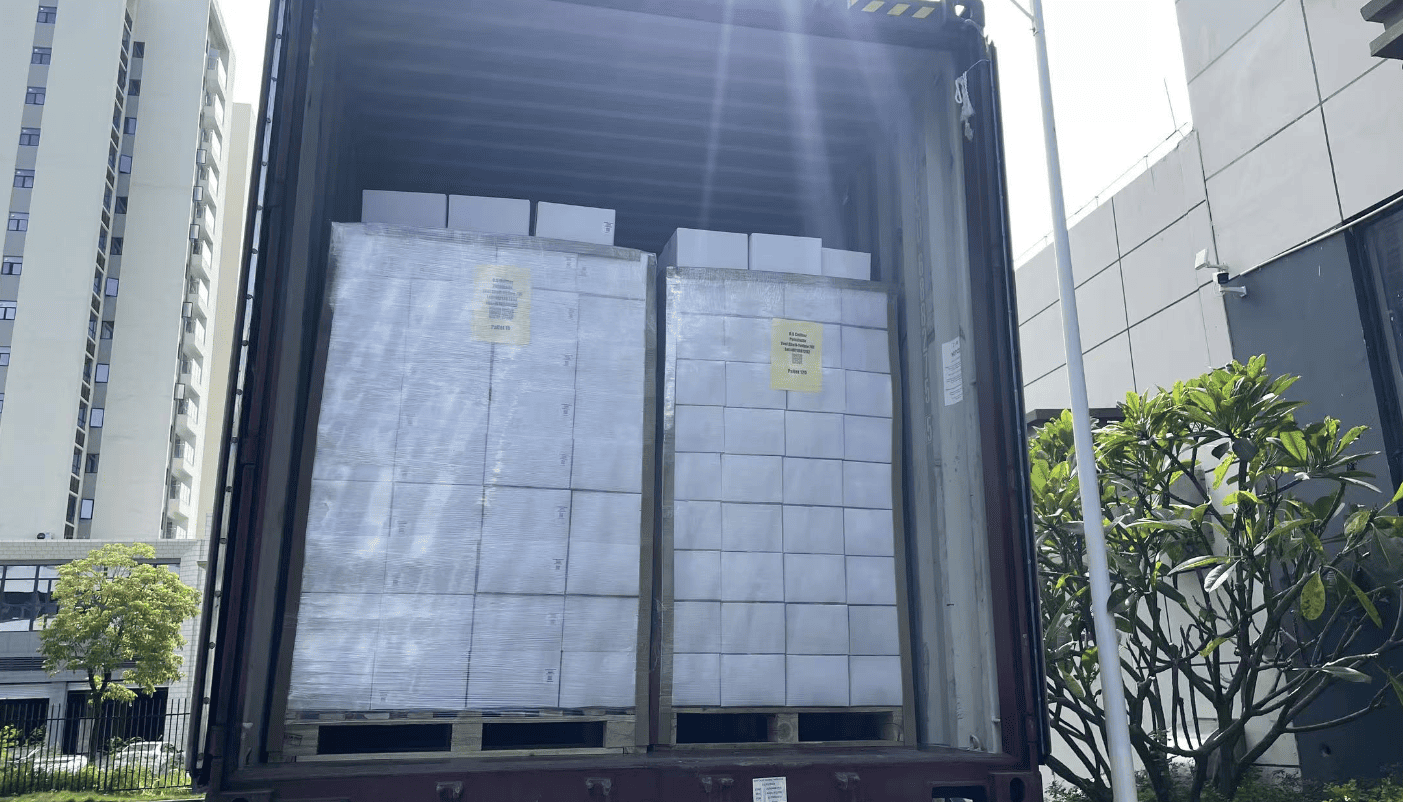
A container of 500 cases of paintballs arrives from your manufacturer. You open a case. The paint looks fine. You open a second case. Also fine. Do you check all 500? Of course not. But how many do you need to check to be confident that the entire batch is acceptable? That is the question AQL answers.
Paintball AQL inspection is a statistical sampling method that determines whether a batch of paintballs meets your quality standards without inspecting every individual unit. Understanding how to set up and interpret an AQL inspection plan gives you an objective, defensible way to accept or reject shipments.
Basics What AQL means for paintball importers
AQL stands for Acceptable Quality Limit. It is a statistical threshold: the worst-quality level still considered acceptable. For paintballs, AQL 2.5 is most common, meaning the batch is acceptable if 2.5% or fewer sampled units are defective.
The AQL system uses predefined sampling tables from ANSI/ASQ Z1.4. These tables tell you exactly how many units to sample and how many defects are allowed before rejection.
A batch with AQL 2.5 does not mean 2.5% is defective. It means the plan accepts batches with a 2.5% defect rate 95% of the time.
Standards Defect classes, inspection levels, and sample sizes
Three concepts define any AQL plan: defect classification, inspection level, and sample size.
Defect classes: Critical (AQL 0, no defects allowed), Major (AQL 2.5, affects performance), Minor (AQL 4.0, cosmetic only).
Inspection levels: Level II (normal, default), Level I (reduced, consistent history), Level III (tightened, issues identified).
Sample sizes (Level II, AQL 2.5): 500 cases -> 50 cases (200 balls). 1,000 -> 80 cases (320 balls). 2,000 -> 125 cases (500 balls).
| Batch | Sample | Balls | Accept | Reject |
|---|---|---|---|---|
| 200 cases | 32 | 128 | 5 | 6 |
| 500 cases | 50 | 200 | 7 | 8 |
| 1,000 cases | 80 | 320 | 10 | 11 |
| 2,000 cases | 125 | 500 | 14 | 15 |
Metrics Key inspection metrics and defect criteria
| Metric | Major Defect | Minor Defect |
|---|---|---|
| Diameter | Outside +/- 0.004″ of spec | Outside +/- 0.002″, within 0.004″ |
| Shell thickness | Variation over 0.003″ | Variation 0.002-0.003″ |
| Fill weight | Variance over 3% from mean | Variance 2-3% from mean |
| Dimpling | Any visible flat spot or dent | N/A |
| Seam quality | Raised seam over 0.001″ | Visible seam under 0.001″ |
| Case condition | Crushed or wet | Label peeling or scuffed |
Process The inspection checklist
Decision Pass/fail and handling rejected lots
When a batch passes, accept with confidence. When it fails, options depend on your agreement.
Options for failed lots:
- Reject the lot. Manufacturer covers all costs.
- Sort and re-inspect. Manufacturer sorts, remaining batch re-inspected at tightened level.
- Accept with concession. Accept at reduced price for minor defects only.
- Replace the lot. New production at manufacturer’s cost.
Agreement Including AQL in your supplier agreement
Specify AQL terms explicitly in your quality agreement. Do not assume the manufacturer uses the same standards without written agreement.
- AQL value. Critical = 0, Major = 2.5, Minor = 4.0.
- Inspection level. Level II default, with adjustments based on history.
- Defect definitions. Table defining each defect class precisely.
- Sampling method. Random across entire batch.
- Dispute resolution. Third-party inspection as final authority.
? Frequently Asked Questions
Can I do AQL myself or need a third party?
You can do it yourself with calipers, scale, and chronograph. Third-party advantage is objectivity. For high-value shipments, use third party.
What AQL value for paintballs?
AQL 2.5 for major defects is standard. Critical = 0. Minor = 4.0. Tournament-grade can tighten to AQL 1.0.
How to handle borderline results?
A marginal pass (defect count = accept number) should be flagged. Three in a row triggers tightened inspection.
Does AQL apply to markers and equipment?
Yes. Same standards apply. Markers: velocity inconsistency, air leaks. Masks: lens scratches, strap failures.
+ The short version
AQL inspection gives you an objective, statistically valid method for accepting or rejecting bulk paintball shipments. Agree on AQL terms with your manufacturer before the first order. When both parties understand the inspection standard, quality discussions become factual rather than subjective.
Need a sample AQL template? Contact CS Paintballs for inspection guidelines.