
Private Label Paintball Packaging Approval Checklist for Brand Owners
Private-label paintball packaging should be approved as a commercial control point, not only as a design task. Before production starts, buyers should confirm the bag artwork, carton information, product identity, barcode needs, market wording, and warehouse handling details in writing.
For brand owners and distributors, the goal is simple: make the packaging easy to buy, receive, store, identify, and sell without adding unsupported claims or unclear instructions. A clean approval process reduces rework and gives both buyer and supplier a shared reference before the order moves forward.
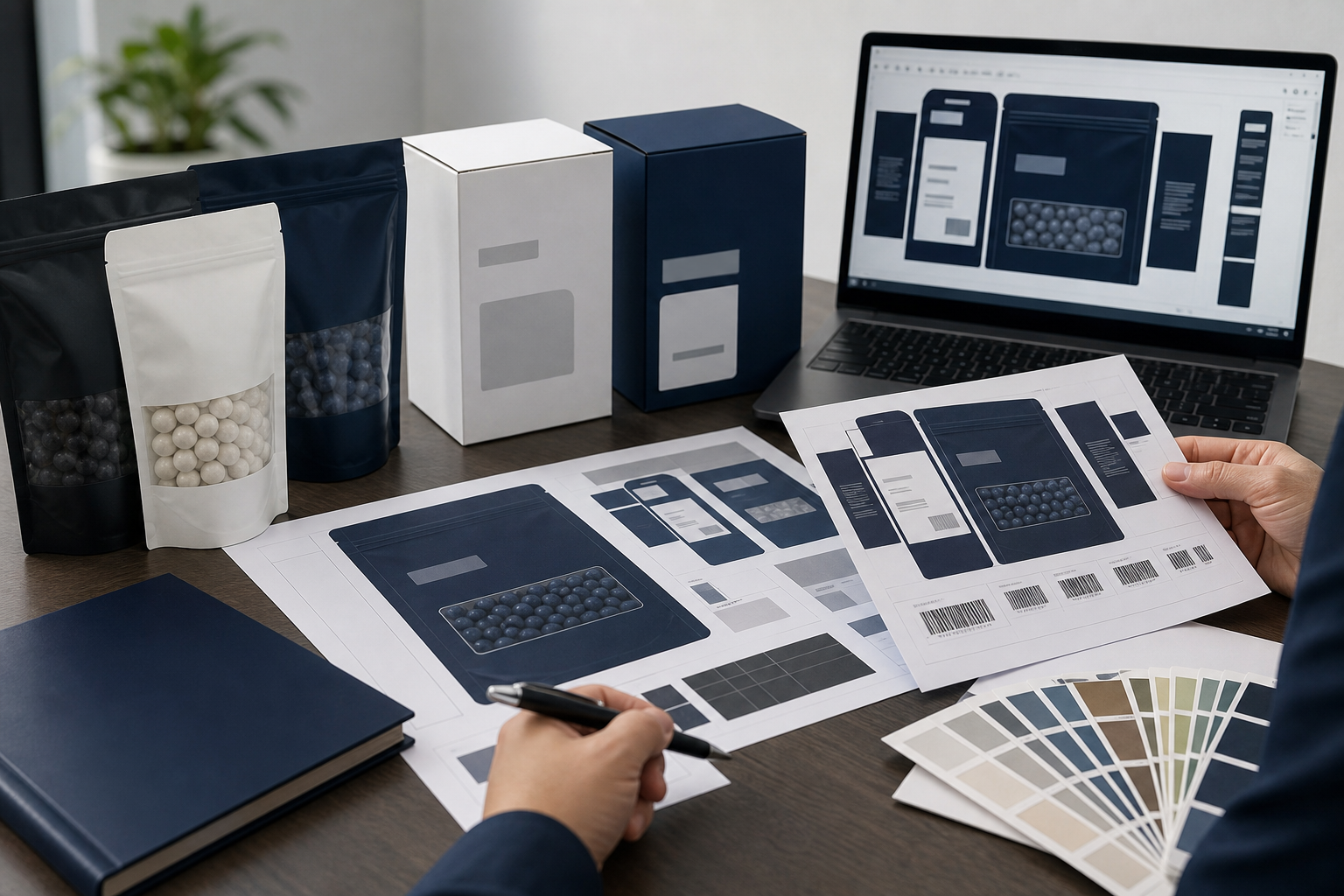
Why Packaging Approval Matters For Private-Label Paintballs
Paintball packaging carries more than brand color. It affects how a product is presented to retailers, how cartons are identified in a warehouse, how purchase records match shipment records, and how the importer explains the product to downstream buyers.
A packaging file that looks attractive on screen can still create commercial problems if the product name, variant, case details, barcode position, carton marks, or market wording are unclear. Private-label buyers should treat approval as a sourcing step that connects design, purchasing, logistics, and sales.
Buyer answer: approve private-label packaging only after artwork, carton marks, product identity, barcode plan, destination-market wording, and supplier responsibilities are clear in writing.
What Buyers Should Approve Before Production
Bag Artwork And Product Identity
Brand owners should confirm the exact product name, variant name, color language, quantity wording, warning language if required for the destination market, and any retailer-facing information. Avoid broad claims that cannot be supported. If a phrase sounds like a performance promise, ask whether it is needed at all.
Artwork files should be reviewed as final production references, not as rough marketing concepts. Buyers should confirm version numbers, final colors, approved layout, and which file is the active file. This avoids confusion when several artwork drafts have been exchanged.
Carton And Case Identification
Outer cartons need to help warehouse teams identify the product quickly. Buyers may need to confirm brand, product line, variant, quantity, carton count, destination reference, purchase order reference, and handling notes. Exact carton wording should be agreed before printing or labeling.
Barcode And Retail System Needs
If the product will enter retail, marketplace, distributor, or warehouse systems, buyers should confirm whether a barcode or product identifier is required. The supplier should not guess the buyer’s barcode system. Buyers should provide the code, placement requirements, and any retailer-specific file needs.
Destination-Market Wording
Packaging language can create risk if it includes unsupported origin, safety, environmental, or performance claims. Importers should confirm destination-market wording with the responsible party before production. When uncertain, keep the public packaging language factual and conservative.
Artwork File Control
Private-label projects often involve several people: the brand owner, designer, sales contact, sourcing manager, and supplier. That makes file control important. Buyers should avoid approving artwork through scattered chat messages or unclear screenshots. A safer process is to keep one final file name, one approval date, and one written note explaining that this is the file to be used for packaging work.
Buyers should also confirm whether colors are being reviewed as digital references or as physical printed results. Screen colors can look different from printed packaging. If color consistency is commercially important, private-label brands may need to discuss print proof options and acceptable variation before production.
Approval Handoff Between Sales And Operations
Packaging approval should not stay only with the design team. The purchasing, warehouse, and sales teams may all need the same naming structure. If the sales catalog calls a product one name, the carton uses another name, and the invoice uses a third name, receiving and reordering become harder. A simple shared approval record can prevent those avoidable mismatches.
Private-Label Packaging Approval Checklist
| Approval Area | Buyer Check | Supplier Confirmation |
|---|---|---|
| Artwork version | Final file name, date, and version are clear. | Confirm which file will be used for production. |
| Brand and product name | Name matches purchase records and sales plan. | Confirm exact spelling and placement. |
| Packaging format | Bag, box, carton, and case format match the order plan. | Confirm format before print or label work. |
| Barcode plan | Buyer confirms whether a barcode is needed. | Confirm print position and file handling. |
| Carton marks | Warehouse teams can identify the product on arrival. | Confirm carton mark sample before shipment. |
| Claims review | Unsupported performance, origin, or market claims are removed. | Confirm final wording is buyer-approved. |
| Sample approval | Buyer reviews a digital proof or physical sample where practical. | Confirm no production starts before written approval. |
Supplier Questions To Ask Before Approving Packaging
- Which packaging file will be treated as the final production file?
- Can you provide a digital proof or packaging sample before production?
- Where will the product name, variant, carton mark, and barcode appear?
- Which wording is printed on the retail bag and which wording appears only on the carton?
- How will private-label packaging be matched to the correct purchase order?
- What information should the buyer confirm before printing starts?
- How will changes be recorded if artwork is revised after approval?
Common Packaging Approval Mistakes
Approving Design Without Checking Operations
A good-looking bag is not enough. Buyers should also think about carton identification, distributor storage, receiving records, and retailer presentation.
Using Claims That Need Proof
Claims about origin, performance, environmental impact, or market acceptance should not be added casually. If the buyer cannot support a claim, it is usually safer to remove it or change it into neutral product information.
Letting Multiple Artwork Versions Circulate
Version control matters. One outdated file can cause the wrong package to move into production. Buyers should keep a single approved file record and confirm it with the supplier.
Forgetting Warehouse And Distributor Needs
Private-label packaging should help downstream teams identify the product. Clear carton marks and consistent naming can prevent confusion when several SKUs arrive together.
Approving Packaging Without A Change Rule
Private-label packaging may change after the first order because of retailer feedback, product-line expansion, or a new market requirement. Buyers should decide how changes will be requested, who can approve them, and how the old version will be retired. Without a change rule, a supplier may receive mixed instructions and the buyer may not know which version is active.
Ignoring Small Text Until The Last Moment
Small packaging text can create large delays if it is reviewed too late. Product identity, quantity wording, country-of-origin wording, barcode placement, importer information where required, and warning language where required should be reviewed before the buyer treats the design as final. If a market-specific item is uncertain, leave it out of the public artwork until the buyer has written confirmation from the responsible party.
A Simple Approval Workflow
A practical workflow starts with a buyer-side packaging brief. The brief should state the packaging format, target market, product naming structure, expected sales channel, barcode responsibility, and carton-mark needs. The supplier can then confirm what information is needed before artwork work begins.
Next, the buyer reviews the first proof for commercial clarity. This is not only a design review. The buyer should ask whether a warehouse worker, retailer, distributor, or customs broker could understand the product identity from the available information. Any unclear wording should be corrected before the design becomes final.
Finally, the buyer should record written approval. The record can be simple: final file name, approval date, packaging format, product name, carton mark reference, and open questions. The supplier should be able to explain what happens if any packaging detail changes after approval.
Practical tip: treat packaging approval as a purchase-control document. It should be clear enough that a new team member can understand what was approved and why.
Internal Links To Add
[INTERNAL LINK: paintball import document checklist]
[INTERNAL LINK: paintball pre-shipment inspection checklist]
[INTERNAL LINK: paintball sample comparison guide]
FAQs
Should private-label buyers approve packaging before production?
Yes. Buyers should approve final packaging files, carton marks, and key product wording before production moves forward.
Who should provide the barcode?
The buyer should confirm the barcode system and provide the required code or instructions. The supplier should not guess retail or warehouse system requirements.
Can packaging include strong performance claims?
Only if the buyer has reliable support for the claim and the wording is suitable for the destination market. Otherwise, use factual and neutral wording.
Is a physical packaging sample always required?
Not always, but buyers should request a proof or sample when packaging risk is high, artwork is new, or retailer presentation matters.
Discuss Private-Label Packaging Requirements
Contact C-STAR Paintballs to discuss your destination market, expected order volume, packaging format, and sample requirements.