
Best Paintballs for Beginners:
What Every First-Time Player
Actually Needs to Know
From shell hardness to fill safety — a manufacturer’s honest guide to choosing the right paintball before you ever step on the field.
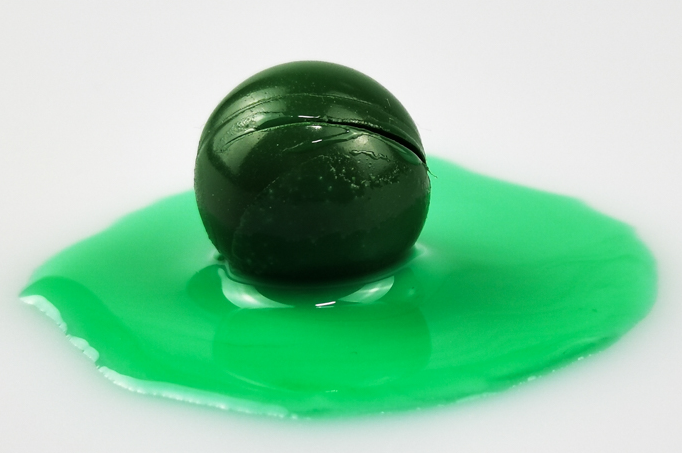
If you’ve never played paintball before, the first question you’ll probably ask is: “Is it going to hurt?” The second — once someone tells you it depends on the paintball — is: “Then which ones should I use?” That’s exactly the right question. And unfortunately, most people get a vague answer, a shrug from a pro shop clerk, or a Google result that recommends tournament-grade paintballs clearly written by someone who has never handed a rental marker to a ten-year-old.
This guide is different. We’re writing it as a manufacturer — a company that actually makes paintballs at scale — and we’re going to tell you what the best paintballs for beginners truly are, why they’re different from what competitive players use, and exactly what to look for when you buy. Whether you’re a first-time player, a field owner building a rental program, or a parent organizing a birthday party, this guide will save you from the most expensive and frustrating mistakes in beginner paintball.
Who this guide is for: First-time players preparing for their first game, paintball field owners selecting rental inventory, group event and corporate outing organizers, and parents researching paintball safety for their kids.
Paintball Grades Explained: Why Beginners Need a Different Ball Entirely
Here’s something the paintball industry doesn’t communicate clearly enough: not all paintballs are designed for the same player. There are essentially four tiers of paintball product, each engineered for a specific use case. Using the wrong tier for your situation is one of the most common reasons beginner experiences go badly.
| Grade | Shell Hardness | Designed For | Rental Marker Compatible | Best For Beginners |
|---|---|---|---|---|
| Recreational Grade | Soft | Casual play, birthday parties, first-timers | ✔ Yes | ✔ Best Choice |
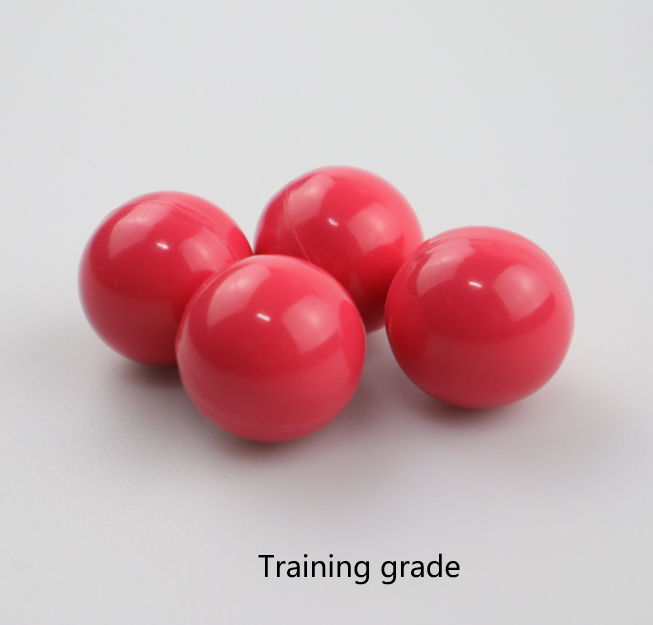
| Training Grade | Medium-Soft | Skill development, field practice, drills | ✔ Yes | ✔ Great Second Choice |
| Field Grade | Medium | General field use, intermediate players | ⚠️ Usually | ⚠️ Acceptable |
| Tournament Grade | Thin / Brittle | Competitive speedball, scenario tournaments | ✗ Often Not | ✗ Wrong Choice |
The key takeaway here is that tournament-grade paintballs — despite being the most commonly mentioned online because competitive players write most of the internet’s paintball content — are genuinely the wrong choice for beginners. Their shells are thin by design (to break on the first hit from a precision barrel), which means they’re far more likely to break inside a rental marker’s barrel or shatter in the hopper from mechanical agitation alone. The result is a gunked-up marker, a frustrated first-timer, and a field staff member spending game time cleaning barrels instead of running games.
Shell Hardness: The Single Most Important Variable for New Players
Paintball shell hardness is the primary engineering variable that determines how a paintball performs — and it has direct consequences for three things beginners care about: safety, gun reliability, and fun. Understanding it doesn’t require a chemistry degree, but it does require a few minutes of attention, because most buying guides skip it entirely.
Paintball shells are made primarily from hydrolyzed collagen gelatin, blended with plasticizers (commonly glycerin or polyethylene glycol) and moisture regulators. Shell hardness is controlled by the gelatin bloom strength — a measure of gel firmness on a scale from roughly 100 to 300 bloom.
Higher bloom = harder, more brittle shell. Lower bloom = softer, more flexible shell. Recreational grade paintballs typically use 160–200 bloom gelatin. Tournament grade uses 220–280 bloom. This isn’t a small difference — at the same impact velocity, a 160-bloom shell is roughly 35–50% more likely to break on the first contact than a 260-bloom shell.
For beginners using rental markers at 270–280 fps, a softer shell means: fewer barrel breaks, cleaner hits that register clearly, less “bounce” frustration, and a more consistent, enjoyable experience. The softer shell absorbs the mechanical stress of budget hoppers and entry-level marker internals without pre-breaking.
What Happens When Shell Hardness Is Wrong for Your Gear
Place a tournament-grade paintball in a typical rental marker, and here’s the sequence of events that often follows. The ball feeds into the marker’s chamber. The bolt pushes it forward. The shell, being extremely thin, deforms under the bolt pressure before firing — or it survives chambering but fractures against a barrel rough spot on the way out. Paint and gelatin coat the barrel interior. The next ball pushed through meets irregular friction, tumbles, and flies completely off-target. The player thinks they’re doing something wrong. They shoot more balls. The barrel gets worse. Eventually a staff member comes over, pulls the barrel, and spends three minutes cleaning it with a squeegee while 23 other players wonder what’s happening.
This entire scenario is preventable with the correct shell hardness selection. Recreational grade paintballs are specifically designed to tolerate the mechanical imperfections of entry-level gear — and that’s exactly what makes them the best paintballs for beginners.
Recreational Grade vs. Training Grade: Which Is Right for You?
Both C-STAR Recreational Grade and C-STAR Training Grade paintballs are ideal beginner choices — but they’re optimized for slightly different situations. Here’s how to tell them apart and which one belongs in your hopper.
🟢 Recreational Grade
- Softest shell in the C-STAR lineup
- Breaks reliably on first impact, even through light clothing
- Maximum hopper and rental marker compatibility
- Bright, highly visible fill colors for easy hit confirmation
- Water-soluble, biodegradable fill — washes out easily
- Ideal for casual outdoor games, birthday parties, corporate events
- Lower price point — best for bulk field purchases
🔵 Training Grade
- Slightly firmer shell for improved shooting consistency
- Tighter dimensional tolerances (±0.002″) for better accuracy
- More consistent fill distribution for cleaner marking
- Suitable for beginners ready to work on shooting skills
- Still rental-marker compatible — not as demanding as tournament grade
- Ideal for players who’ve done 2–3 sessions and want to improve
- Better choice for indoor fields with controlled conditions
Not sure which to choose? Start with Recreational Grade for your first 1–3 sessions. Once you’re comfortable with the basics of marker operation, movement, and game sense, step up to Training Grade to start developing real shooting accuracy. The shell consistency difference will become noticeable — and meaningful — once you’re past the pure survival-mode beginner stage.
C-STAR Beginner Paintballs: Product Specifications
C-STAR’s Recreational and Training Grade paintballs are manufactured to specifications specifically validated for beginner use cases — rental field compatibility, group event volume, and first-timer experience quality. Here’s a closer look at what you’re actually getting.
The go-to choice for field operators, group bookings, and anyone experiencing paintball for the first time. Engineered for soft-break reliability and maximum fun.
- Caliber.68 caliber (standard)
- ShellLow-bloom gelatin, high-flex
- FillWater-soluble PEG base, biodegradable
- Break Rate>96% first-contact in target testing
- Temp Range50–85°F optimal
- Pack Size500 / 2,000 / case (4,000)
For players making the transition from pure fun to skill development. Tighter tolerances and consistent fill deliver the feedback needed to actually improve.
- Caliber.68 caliber (standard)
- ShellMedium-low bloom, balanced flex/hardness
- FillHigh-density water-soluble, vivid mark
- Diameter0.689″ ± 0.002″ (tight tolerance)
- Temp Range55–82°F optimal
- Pack Size500 / 2,000 / case (4,000)
Fill Safety and Washability: What Parents and Organizers Must Know
If you’re organizing a group event, booking a field for a corporate outing, or letting your child play paintball for the first time, the fill inside the paintball is probably the safety question you haven’t thought to ask yet — but absolutely should.
What Is Paintball Fill Made Of?
Quality recreational and training grade paintball fills are water-soluble, polyethylene glycol (PEG)-based solutions with added dye colorants. PEG is the same compound used in many cosmetics, pharmaceuticals, and food-safe applications — it is non-toxic, non-irritating to skin and eyes, and biodegradable. When you see paintball marketing that says “non-toxic fill,” this is the chemistry behind that claim.
Safe beginner fill characteristics:
A quality beginner-grade fill should be water-soluble (fully dissolves in cold water), PEG-based (not oil-based — oil-based fills stain fabric permanently), biodegradable (safe for outdoor use on grass and natural surfaces), and skin-safe at the concentrations used (non-irritating to eyes and open skin in normal play conditions).
Red flags to avoid: any fill described as “oil-based,” fills without washability claims, and very cheap recreational balls from unknown manufacturers that use industrial dye concentrations to achieve vivid color — these can stain clothing and irritate skin.
Will Paintball Fills Stain Clothing?
This is the question every parent asks and most paintball websites answer vaguely. Here’s the honest answer: quality recreational and training grade fills with PEG-based formulas wash out of most fabrics with cold water and standard detergent, provided the clothing is laundered promptly after the game. The most common staining scenarios involve leaving paint-covered clothing in a bag for 24+ hours before washing, or using budget paintballs with oil-based or industrial-dye fills. C-STAR’s fills are specifically formulated to be washable from cotton, polyester, and nylon blends at cold wash temperatures.
Field Operator Tip: Print a small card to hand to players at check-in: “Today’s paintballs use water-soluble fills. For best results, launder paint-marked clothing within 12 hours in cold water.” This one-sentence communication reduces post-event complaints about “stained clothing” dramatically — most staining issues are a washing delay problem, not a fill chemistry problem.
Caliber Explained: Should Beginners Use .68 or .50 Caliber Paintballs?
Most standard paintball fields run .68 caliber paintballs and markers — and that’s what the vast majority of beginner players will encounter. But if you’re organizing an event for younger children, mixed-age groups, or players who are particularly concerned about pain, .50 caliber low-impact paintballs are worth understanding.
| Specification | .68 Caliber (Standard) | .50 Caliber (Low Impact) |
|---|---|---|
| Diameter | 0.689 inches (17.5 mm) | 0.500 inches (12.7 mm) |
| Typical Weight | 3.0–3.2 grams | 1.25–1.35 grams |
| Operating Velocity | 280–300 fps | 200–220 fps |
| Impact Energy | ~12.5 joules (at 300 fps) | ~3.0 joules (at 220 fps) |
| Pain Level | Moderate sting on bare skin | Mild — roughly 68% less impact |
| Recommended Age | 12+ with full gear | 8–12 with light gear |
| Field Availability | Universal | Requires dedicated low-impact markers |
The impact energy difference between .68 and .50 caliber is not cosmetic. At standard velocities, a .68 caliber paintball delivers approximately 4× the kinetic energy of a .50 caliber round at low-impact velocity. For adult players wearing appropriate gear (long sleeves, neck protection, full-face mask), standard .68 caliber is perfectly manageable. For children under 12, mixed groups including non-athletic participants, or corporate team events where participant comfort is the priority over game intensity, low-impact .50 caliber is the more responsible choice.
Important for field owners: Low-impact .50 caliber paintballs require low-impact markers — you cannot fire .50 caliber balls through a standard .68 caliber bore. If you’re adding a low-impact program to your field, this requires dedicated rental markers, not simply a different paintball.
From shell hardness to fill safety — a manufacturer’s honest guide
to choosing the right paintball before you ever step on the field.
If you’ve never played paintball before, the first question you’ll probably ask is: “Is it going to hurt?”
The second — once someone tells you it depends on the paintball — is: “Then which ones should I use?”
That’s exactly the right question. And unfortunately, most people get a vague answer, a shrug from a pro shop clerk, or a Google result that recommends tournament-grade paintballs clearly written by someone who has never handed a rental marker to a ten-year-old.
This guide is different. We’re writing it as a manufacturer — a company that actually makes paintballs at scale — and we’re going to tell you what the best paintballs for beginners truly are, why they’re different from what competitive players use, and exactly what to look for when you buy. Whether you’re a first-time player, a field owner building a rental program, or a parent organizing a birthday party, this guide will save you from the most expensive and frustrating mistakes in beginner paintball. Who this guide is for: First-time players preparing for their first game, paintball field owners selecting rental inventory, group event and corporate outing organizers, and parents researching paintball safety for their kids.
Here’s something the paintball industry doesn’t communicate clearly enough: not all paintballs are designed for the same player. There are essentially four tiers of paintball product, each engineered for a specific use case. Using the wrong tier for your situation is one of the most common reasons beginner experiences go badly.
The key takeaway here is that tournament-grade paintballs — despite being the most commonly mentioned online because competitive players write most of the internet’s paintball content — are genuinely the wrong choice for beginners. Their shells are thin by design (to break on the first hit from a precision barrel), which means they’re far more likely to break inside a rental marker’s barrel or shatter in the hopper from mechanical agitation alone. The result is a gunked-up marker, a frustrated first-timer, and a field staff member spending game time cleaning barrels instead of running games.
Paintball shell hardness is the primary engineering variable that determines how a paintball performs — and it has direct consequences for three things beginners care about: safety, gun reliability, and fun. Understanding it doesn’t require a chemistry degree, but it does require a few minutes of attention, because most buying guides skip it entirely.
Paintball shells are made primarily from hydrolyzed collagen gelatin, blended with plasticizers (commonly glycerin or polyethylene glycol) and moisture regulators. Shell hardness is controlled by the gelatin bloom strength — a measure of gel firmness on a scale from roughly 100 to 300 bloom.
Higher bloom = harder, more brittle shell. Lower bloom = softer, more flexible shell. Recreational grade paintballs typically use
For beginners using rental markers at 270–280 fps, a softer shell means: fewer barrel breaks, cleaner hits that register clearly, less “bounce” frustration, and a more consistent, enjoyable experience. The softer shell absorbs the mechanical stress of budget hoppers and entry-level marker internals without pre-breaking.
Place a tournament-grade paintball in a typical rental marker, and here’s the sequence of events that often follows. The ball feeds into the marker’s chamber. The bolt pushes it forward. The shell, being extremely thin, deforms under the bolt pressure before firing — or it survives chambering but fractures against a barrel rough spot on the way out. Paint and gelatin coat the barrel interior. The next ball pushed through meets irregular friction, tumbles, and flies completely off-target. The player thinks they’re doing something wrong. They shoot more balls. The barrel gets worse. Eventually a staff member comes over, pulls the barrel, and spends three minutes cleaning it with a squeegee while 23 other players wonder what’s happening.
This entire scenario is preventable with the correct shell hardness selection. Recreational grade paintballs are specifically designed to tolerate the mechanical imperfections of entry-level gear — and that’s exactly what makes them the best paintballs for beginners.
Both C-STAR Recreational Grade and C-STAR Training Grade paintballs are ideal beginner choices — but they’re optimized for slightly different situations. Here’s how to tell them apart and which one belongs in your hopper. Not sure which to choose? Start with Recreational Grade for your first 1–3 sessions. Once you’re comfortable with the basics of marker operation, movement, and game sense, step up to Training Grade to start developing real shooting accuracy. The shell consistency difference will become noticeable — and meaningful — once you’re past the pure survival-mode beginner stage.
C-STAR’s Recreational and Training Grade paintballs are manufactured to specifications specifically validated for beginner use cases — rental field compatibility, group event volume, and first-timer experience quality. Here’s a closer look at what you’re actually getting.
The go-to choice for field operators, group bookings, and anyone experiencing paintball for the first time. Engineered for soft-break reliability and maximum fun.
For players making the transition from pure fun to skill development. Tighter tolerances and consistent fill deliver the feedback needed to actually improve.
If you’re organizing a group event, booking a field for a corporate outing, or letting your child play paintball for the first time, the fill inside the paintball is probably the safety question you haven’t thought to ask yet — but absolutely should.
Quality recreational and training grade paintball fills are water-soluble, polyethylene glycol (PEG)-based solutions with added dye colorants. PEG is the same compound used in many cosmetics, pharmaceuticals, and food-safe applications — it is non-toxic, non-irritating to skin and eyes, and biodegradable. When you see paintball marketing that says “non-toxic fill,” this is the chemistry behind that claim.
Safe beginner fill characteristics:
A quality beginner-grade fill should be water-soluble (fully dissolves in cold water), PEG-based (not oil-based — oil-based fills stain fabric permanently), biodegradable (safe for outdoor use on grass and natural surfaces), and skin-safe at the concentrations used (non-irritating to eyes and open skin in normal play conditions).
Red flags to avoid: any fill described as “oil-based,” fills without washability claims, and very cheap recreational balls from unknown manufacturers that use industrial dye concentrations to achieve vivid color — these can stain clothing and irritate skin.
This is the question every parent asks and most paintball websites answer vaguely. Here’s the honest answer: quality recreational and training grade fills with PEG-based formulas wash out of most fabrics with cold water and standard detergent, provided the clothing is laundered promptly after the game. The most common staining scenarios involve leaving paint-covered clothing in a bag for 24+ hours before washing, or using budget paintballs with oil-based or industrial-dye fills. C-STAR’s fills are specifically formulated to be washable from cotton, polyester, and nylon blends at cold wash temperatures. Field Operator Tip: Print a small card to hand to players at check-in: “Today’s paintballs use water-soluble fills. For best results, launder paint-marked clothing within 12 hours in cold water.” This one-sentence communication reduces post-event complaints about “stained clothing” dramatically — most staining issues are a washing delay problem, not a fill chemistry problem.
Most standard paintball fields run .68 caliber paintballs and markers — and that’s what the vast majority of beginner players will encounter. But if you’re organizing an event for younger children, mixed-age groups, or players who are particularly concerned about pain, .50 caliber low-impact paintballs are worth understanding.
The impact energy difference between .68 and .50 caliber is not cosmetic. At standard velocities, a .68 caliber paintball delivers approximately 4× the kinetic energy of a .50 caliber round at low-impact velocity. For adult players wearing appropriate gear (long sleeves, neck protection, full-face mask), standard .68 caliber is perfectly manageable. For children under 12, mixed groups including non-athletic participants, or corporate team events where participant comfort is the priority over game intensity, low-impact .50 caliber is the more responsible choice. Important for field owners: Low-impact .50 caliber paintballs require low-impact markers — you cannot fire .50 caliber balls through a standard .68 caliber bore. If you’re adding a low-impact program to your field, this requires dedicated rental markers, not simply a different paintball. See our
Best Paintballs for Beginners:
What Every First-Time Player
Actually Needs to KnowPaintball Grades Explained: Why Beginners Need a Different Ball Entirely
Grade Shell Hardness Designed For Rental Marker Compatible Best For Beginners Recreational Grade Soft Casual play, birthday parties, first-timers ✔ Yes ✔ Best Choice Training Grade Medium-Soft Skill development, field practice, drills ✔ Yes ✔ Great Second Choice Field Grade Medium General field use, intermediate players ⚠️ Usually ⚠️ Acceptable Tournament Grade Thin / Brittle Competitive speedball, scenario tournaments ✗ Often Not ✗ Wrong Choice Shell Hardness: The Single Most Important Variable for New Players
160–200 bloom gelatin. Tournament grade uses 220–280 bloom. This isn’t a small difference — at the same impact velocity, a 160-bloom shell is roughly 35–50% more likely to break on the first contact than a 260-bloom shell.What Happens When Shell Hardness Is Wrong for Your Gear
Recreational Grade vs. Training Grade: Which Is Right for You?
🟢 Recreational Grade
🔵 Training Grade
C-STAR Beginner Paintballs: Product Specifications
View Product →
View Product →Fill Safety and Washability: What Parents and Organizers Must Know
What Is Paintball Fill Made Of?
Will Paintball Fills Stain Clothing?
Caliber Explained: Should Beginners Use .68 or .50 Caliber Paintballs?
Specification .68 Caliber (Standard) .50 Caliber (Low Impact) Diameter 0.689 inches (17.5 mm) 0.500 inches (12.7 mm) Typical Weight 3.0–3.2 grams 1.25–1.35 grams Operating Velocity 280–300 fps 200–220 fps Impact Energy ~12.5 joules (at 300 fps) ~3.0 joules (at 220 fps) Pain Level Moderate sting on bare skin Mild — roughly 68% less impact Recommended Age 12+ with full gear 8–12 with light gear Field Availability Universal Requires dedicated low-impact markers