
Paintball Products for Youth Programs: A Buyer Specification Sheet
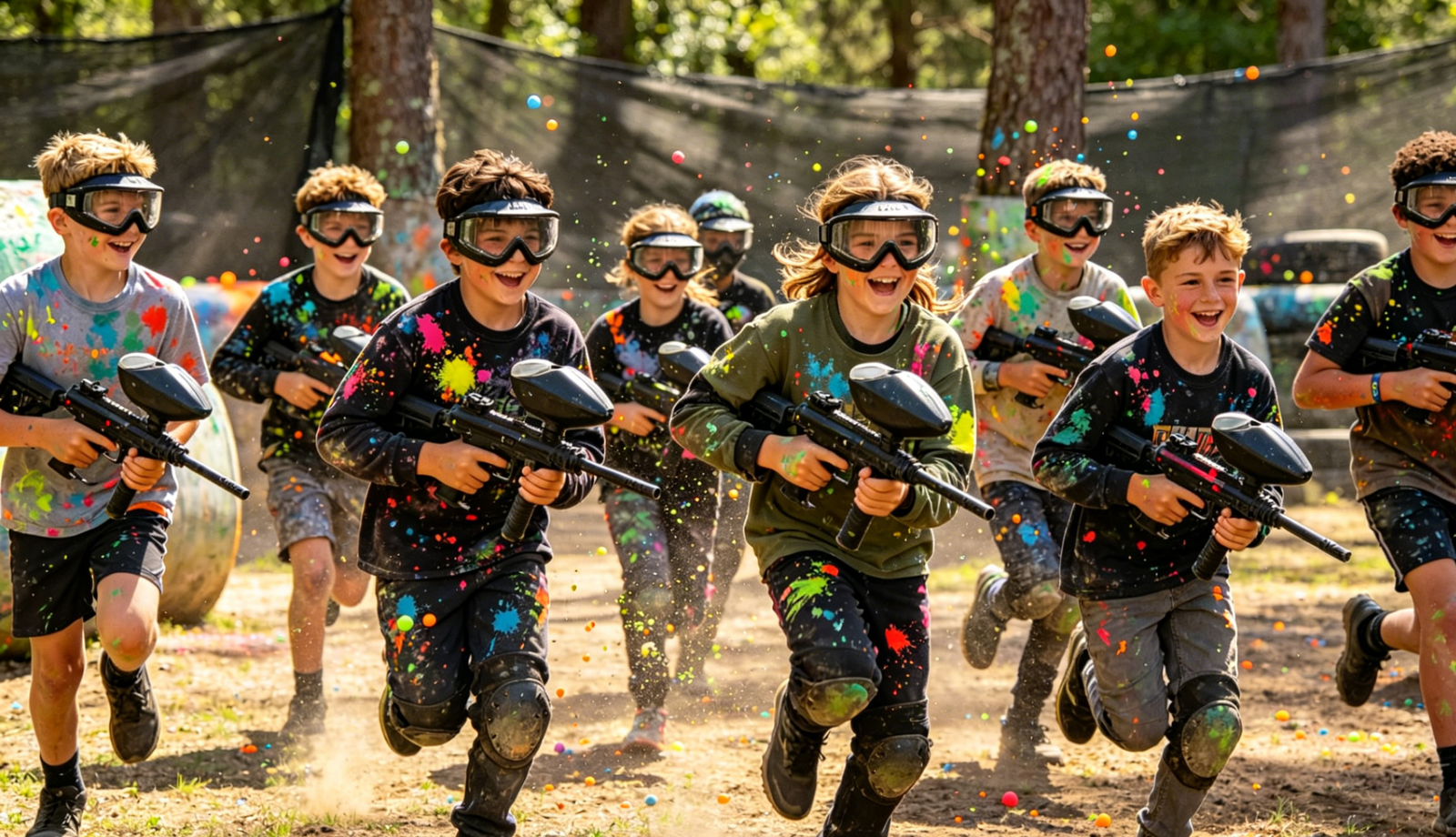
A high school in Ohio wants to start a paintball club. A youth center in Texas is planning a summer paintball league. A church group in Florida is organizing a paintball day for teens. Each of these organizations needs the same thing: equipment that is safe, age-appropriate, and durable enough for group use.
But most schools and youth programs do not know exactly what specifications to ask for when purchasing paintball equipment. This buyer specification sheet is designed to fill that gap. It covers the equipment requirements, safety standards, and compliance considerations that every youth program should include in their purchasing process.
Overview Why youth programs need a specification sheet
Youth paintball programs face different requirements than adult recreational play. Participants are younger, liability concerns are higher, and the equipment must be selected for safety, durability, and ease of supervision. A specification sheet serves three purposes:
- It ensures that every piece of equipment meets minimum safety and performance standards.
- It creates a consistent purchasing framework so all equipment is compatible and interchangeable.
- It provides documentation that the organization performed due diligence in selecting appropriate equipment.
Section A Marker specifications
The marker is the most important piece of equipment to specify correctly for youth use. Standard tournament markers may be too powerful, too heavy, or too complex for younger or inexperienced participants.
Section B Paint specifications
Paint selection for youth programs should prioritize safety, cleanability, and reliable breakage at lower velocities.
Section C Mask and safety equipment
Masks are non-negotiable for youth paintball. Full-face protection is required for every participant at all times while on the field.
Section D Support equipment and facility requirements
Beyond the primary equipment, youth programs need support equipment and facilities that meet safety and operational standards.
Compliance Safety, training, and regulatory requirements
Youth paintball programs must meet legal and regulatory requirements that differ from adult recreational play.
- Parental consent. Written parental or guardian consent required for all participants under 18. Consent forms should include waiver of liability and medical emergency authorization.
- Age minimums. Most youth programs set a minimum age of 10-12 years old. Check local regulations for specific age requirements in your jurisdiction.
- Supervision ratio. Minimum one adult staff member per 10 participants on the field. At least one staff member must have current first aid and CPR certification.
- Safety briefing. Mandatory safety briefing before every session covering: mask rules, barrel safety, field boundaries, signal system, and emergency procedures.
- Equipment inspection. Pre-session equipment check for every participant: mask condition, marker function, barrel plug, velocity verification.
- Insurance. General liability insurance covering paintball activities. Verify coverage with your insurance provider before starting the program.
? Frequently Asked Questions
Can I use standard paintball markers for youth programs if I lower the velocity?
Yes, if the markers can be reliably set to 250-260 fps and locked there. Many electronic markers have programmable velocity caps. Mechanical markers may require a spring change or regulator adjustment. Verify every marker’s velocity at the start of each session.
How much paint does a youth program typically use per participant?
Youth programs typically use less paint than recreational players. A reasonable estimate is 200-400 paintballs per participant per session, compared to 400-600 for adult recreational play and 500-1,000 for tournament players. Budget 300 balls per participant for a half-day program.
What is the best mask for youth paintball programs?
Look for masks that fit smaller face sizes. The JT Flex 8 (youth size), DYE i4 (compact fit), and Virtue Vio Contour (adjustable fit) are popular options that provide full ASTM F1776 protection in sizes appropriate for younger players. Ensure the mask fits properly—a loose mask is a safety hazard.
How do I start a paintball program at my school?
Start by getting administrative approval with a clear safety plan. Partner with a local paintball field for facility access and initial staff training. Purchase equipment that meets the specifications in this guide. Develop a safety protocol with input from experienced paintball professionals. Start small with a pilot group before expanding to a full program.
+ The short version
Youth paintball programs require equipment and safety standards that go beyond adult recreational play. This specification sheet provides a framework for selecting age-appropriate markers, paint, masks, and support equipment that meet safety, durability, and compliance requirements.
When purchasing for a youth program, prioritize safety certifications (ASTM, CE), velocity control (max 260 fps), water-soluble fill, and proper supervision ratios. Use this specification sheet as the basis for your purchasing decisions and supplier communications.
Starting a youth paintball program? Contact CS Paintballs for youth-appropriate paintball products and program guidance.