
How to buy paintballs from China in bulk?
The complete, step-by-step guide to sourcing paintballs directly from Chinese manufacturers — from finding the right supplier to clearing customs at your door.
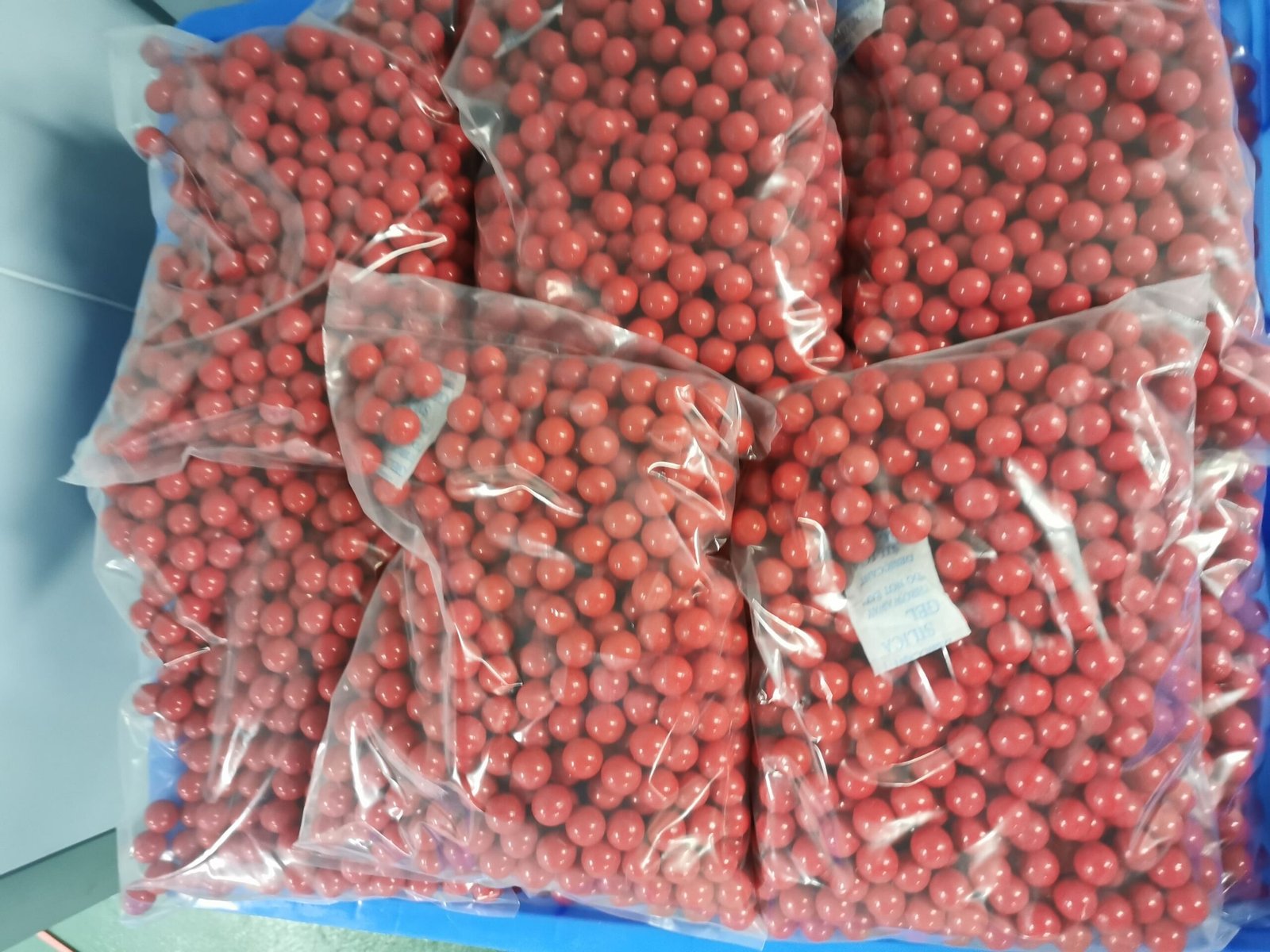
The global paintball industry is supplied, in large part, from China. The majority of paintball manufacturers — producing both recreational field-grade paint and tournament-quality PEG-based product — are based in Fujian, Guangdong, and Shandong provinces. Buying directly from these manufacturers, rather than through distributors, can reduce your per-case cost by 30–50%. But the process involves terminology, logistics, and regulatory requirements that most field owners and first-time importers have never encountered. This guide walks you through every stage — from identifying the right supplier to landing goods in your warehouse — so you can procure with confidence.
Section 1: Who Sells Paintballs in China — Understanding the Supply Tier
Before sending a single inquiry, it helps to understand that “Chinese paintball supplier” describes three very different types of companies. Knowing which tier you are dealing with determines the price, flexibility, and reliability of your supply relationship.
Tier 1 — Direct Manufacturers (Factory)
These are companies that own and operate their own paintball production lines. They hold the relevant government-issued manufacturing licenses (China’s Civil Sporting Goods Manufacturing License or equivalent air gun/paintball production permit), have R&D and quality control departments, and can offer OEM/ODM services. Examples include Fujian Fuxing Industry Paintball Marker Co., Ltd. (JG Works) and C-Star Technology Co., Ltd. C-Star Technology Co., Ltd. Direct manufacturer pricing is the lowest available, but Minimum Order Quantities (MOQs) are typically higher — usually 5 to 20 cases minimum per order, with full container loads preferred for regular supply relationships.
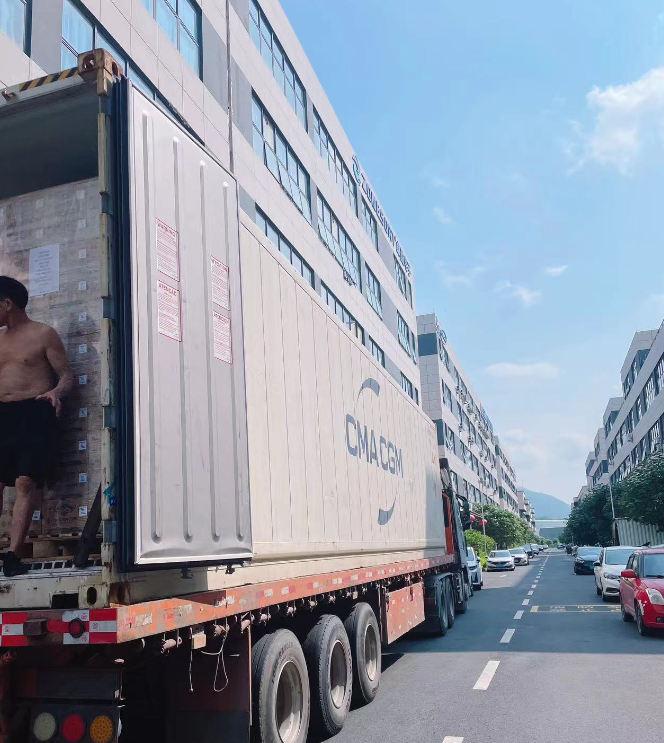
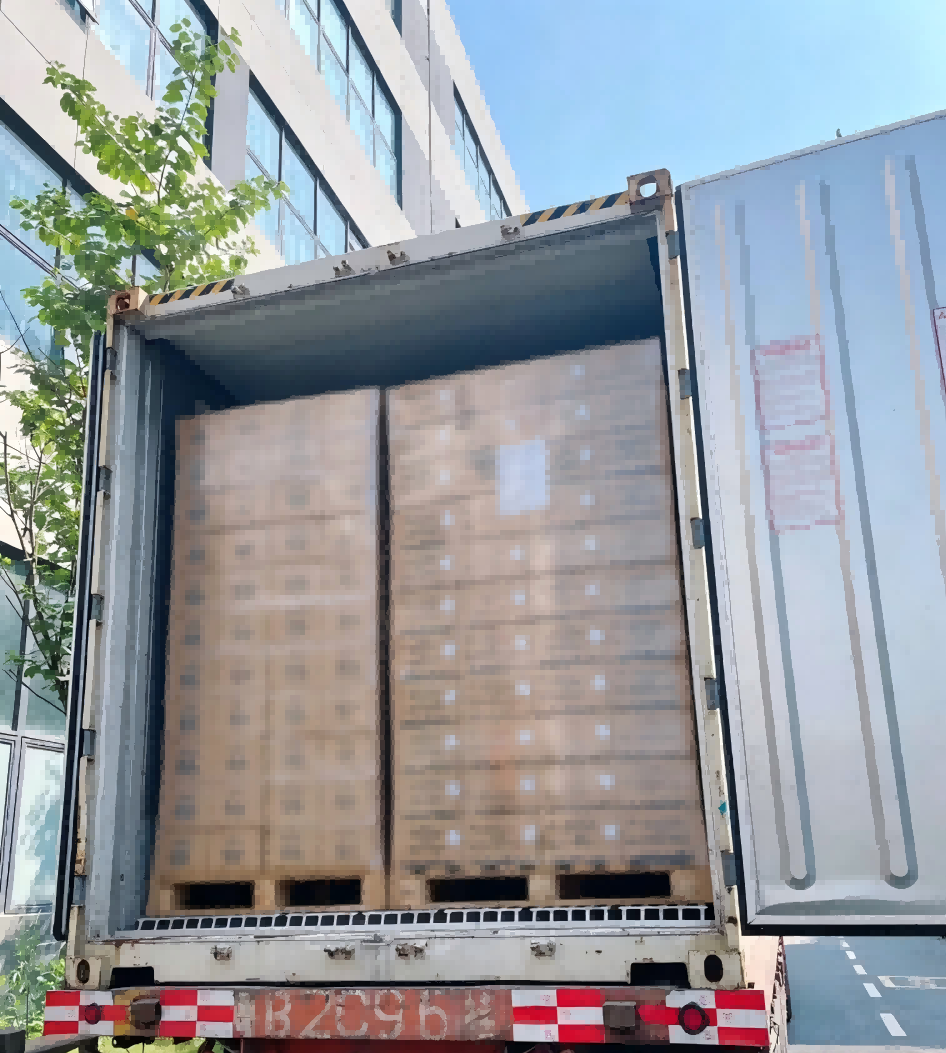
Tier 2 — Trading Companies
Trading companies source from multiple factories and act as intermediaries. They often have stronger English communication, more flexible MOQs, and can consolidate different products into a single shipment. The trade-off is a markup — usually 10–20% above factory price — and less transparency about the exact production source. For smaller buyers or those purchasing multiple product types, trading companies offer a practical starting point.
Tier 3 — B2B Marketplace Listings (Alibaba / Made-in-China / Global Sources)
Platforms like Alibaba, Made-in-China.com, and Global Sources list both manufacturers and trading companies. They are the easiest starting point for discovery but require careful vetting — not every listing is a factory, and not every factory listing maintains the quality standards implied by their page. Use these platforms for discovery and initial contact, but always verify manufacturing credentials directly.
💡 The Fundamental Vetting Question
Before entering any supply relationship, ask your potential supplier for: (1) their Business License (营业执照) number, (2) their Civil Sporting Goods / Air Gun Production License, (3) their Export License or Foreign Trade Operator Registration. A legitimate manufacturer will provide all three without hesitation. A supplier who deflects or cannot produce these documents is a trading company at best, a broker at worst.
Section 2: What to Look for in a Quality Paintball Supplier
Price is not the primary criterion for selecting a paintball supplier. Consistency of product quality — shell hardness, roundness, fill formulation, batch-to-batch uniformity — determines whether your rental fleet operates efficiently and whether your players have a good experience. A supplier who is 15% cheaper but delivers inconsistent shell thickness or variable fill viscosity will cost you more in marker maintenance, cleaning time, and player complaints than any unit price saving.
Quality Evaluation Criteria
- Fill formulation: Confirm 100% PEG-based fill — no vegetable oil content. Request a written ingredient disclosure, not just a marketing label. Hybrid PEG/oil fills cause the same operational problems as full oil fill.
- Shell caliber tolerance: Ask for the stated diameter tolerance for each caliber (.68 cal, .50 cal). Reputable manufacturers typically hold ±0.2–0.3mm. Wider tolerances indicate less controlled production.
- Production certification: ISO 9001 quality management certification is a meaningful indicator of process control. Look for it on their company profile.
- Sample policy: Any credible manufacturer will provide samples (typically 50–200 balls) at cost or free for qualified buyers. A refusal to provide samples before bulk ordering is a significant red flag.
- Export history: Ask which countries they currently export to and request trade references from buyers in your region. Established export relationships to your country indicate familiarity with your regulatory environment.
- Minimum Order Quantity (MOQ): Typical MOQ for direct factory orders is 500–2,000 cases per order for standard product. Smaller MOQs are available through trading companies but at a higher unit price.
Section 3: The Procurement Process — Step by Step
Define Your Specification
Before contacting any supplier, document exactly what you need: caliber (.68 cal / .50 cal), fill type (PEG, minimum spec), shell hardness preference (standard / winter formula / summer formula), quantity per order, packaging (cases per pallet, bags per case), any OEM/custom labelling requirements, and your target price range. Vague inquiries receive vague quotes. Specific RFQs (Request for Quotation) get useful responses.
Identify and Shortlist Suppliers
Evaluate responses for: response speed, quality of English communication, willingness to provide samples, transparency about production credentials, and specificity of pricing. Narrow to 3 finalists based on first-response quality.
Request and Evaluate Samples
This is the most important step and should never be skipped. Request 100–200 balls from each shortlisted supplier. Run the standard quality assessment: visual inspection (roundness, no dimples, consistent color), touch test (hardness appropriate to season), bore test (diameter consistency), and fire test (clean break rate). Compare results across suppliers before making any purchasing commitment. Sample evaluation cost is negligible relative to the cost of a wrong bulk order.
Negotiate Terms and Sign a Purchase Contract
Once you have selected a supplier, negotiate: unit price (EXW and FOB), payment terms, delivery timeline, quality standards (defined as specific measurable parameters, not vague adjectives), and recourse policy for quality failures. Always sign a formal purchase contract — not just accept a pro forma invoice. The contract should specify: product specification, quantity, price, payment schedule, inspection rights, and governing law. Oral agreements and email confirmations are insufficient protection for bulk international orders.
Pre-Shipment Inspection
For orders above $5,000, consider engaging a third-party quality inspection company (SGS, Bureau Veritas, QIMA, or similar) to conduct a pre-shipment inspection at the factory before goods are loaded. The inspector checks quantity, packaging, labelling, and product quality against your specification. Cost: approximately $150–$300 per inspection. This is the most cost-effective insurance against receiving a non-conforming shipment.
Arrange Shipping and Freight Forwarding
Engage a freight forwarder in your country who has experience with China imports. They will handle: booking the vessel/air cargo, coordinating with the Chinese supplier for export documentation, arranging marine insurance, preparing import documentation for your country’s customs authority, and arranging last-mile delivery to your warehouse. Maersk’s Incoterms guide confirms that FOB is the most practical term for most importers — the supplier handles China-side export clearance, and your freight forwarder handles everything from the Chinese port onward.
Clear Customs and Receive Goods
Your freight forwarder or customs broker will manage import customs clearance. You will need to provide: commercial invoice (from your supplier), packing list, bill of lading (sea freight) or air waybill, certificate of origin (Form E for ASEAN countries with China FTA preference), and any country-specific product certification or import permits required in your destination market. Upon arrival, inspect the shipment immediately and document any discrepancy before signing the delivery receipt.
Section 4: Incoterms — Who Pays for What
Incoterms (International Commercial Terms) are a set of standardized rules published by the International Chamber of Commerce that define exactly where the seller’s responsibility ends and the buyer’s begins. Every price quote from a Chinese supplier will reference one. Understanding these terms is non-negotiable for international procurement — choosing the wrong one can add thousands of dollars to your landed cost.
Seller’s job ends at factory gate. Buyer pays and manages everything: China inland freight, export customs in China, ocean freight, insurance, import duties. Lowest price — highest buyer burden.
Seller delivers to named Chinese port, clears export customs, loads onto vessel. Buyer pays ocean freight, marine insurance, import clearance, and delivery. Industry default — 70%+ of China exports.
Seller pays freight and insurance to destination port. Simple for first-timers but price is opaque — supplier marks up freight. Buyer still handles import duties and inland delivery.
Seller handles everything including import duties and delivery to your door. Highest price — but zero logistics management for buyer. Good for first trial orders.
✅ The Recommended Approach for Most Buyers
FOB is the right choice for 75% of paintball importers. Get an FOB quote from your supplier (which shows you the true product cost), then get a separate freight quote from your freight forwarder for the ocean leg. This gives you cost transparency and puts you in control of the freight relationship — which matters when things go wrong. For established importers, switching from CIF to FOB saves 12–18% on logistics costs because you eliminate the supplier’s freight markup.
Section 5: Payment Terms — How to Pay Safely
T/T (Telegraphic Transfer)
Bank wire transfer. Most common in China trade. Standard split: 30% deposit on order confirmation, 70% balance against copy of Bill of Lading before goods are released. For trusted long-term suppliers: 70% on shipment + 30% on receipt. Never pay 100% upfront to a new supplier.
L/C (Letter of Credit)
Bank-intermediated payment. Supplier is paid when compliant documents are presented to the bank. Most secure for large orders ($30,000+). Adds bank fees (1–2% of order value) but protects both parties. Recommended for first orders with new suppliers at significant volume.
Alibaba Trade Assurance
Platform-managed payment protection. Alibaba holds funds and releases to supplier only when delivery and quality conditions are met. Limited to Alibaba transactions but provides meaningful protection for smaller first orders ($500–$30,000). Fee: 0–3% depending on currency.
PayPal / Western Union
Avoid for bulk orders. PayPal offers limited business protection for goods disputes above $10,000. Western Union has no dispute resolution mechanism. Acceptable only for sample payment (<$300) where the risk is explicitly accepted.
Section 6: HS Codes and Customs Classification
The Harmonized System (HS) code is a six-digit international product classification code used by customs authorities worldwide to identify goods, calculate duties, and apply trade regulations. Correct HS code classification is not optional — misclassification causes shipment delays, penalties, and potential seizure.
Paintballs (the ammo/balls themselves): classified under HS Chapter 93 — Arms and Ammunition. The primary 6-digit code is 9306.29 (other cartridges, projectiles, and parts thereof for sporting, hunting, or target-shooting purposes, not being explosive). FreightAmigo’s 2025 HS code guide confirms this heading “covers lead, steel, alloy, or plastic air gun pellets and also applies to airsoft BBs and paintballs.”
US-specific: 9306.90.0041 — Paintballs (confirmed by Datamyne US HTS data). US import duty rate for paintballs from China under most conditions: 5.6% ad valorem, plus any applicable Section 301 additional tariffs (currently in effect for most Chinese manufactured goods — verify current rate with your customs broker, as these are subject to policy change).
Paintball markers (guns): 9304.00 — “Other arms” (air guns, spring guns). Parts and accessories: 9305.99.
Important note: Chapter 93 classification requires careful handling — customs authorities in some jurisdictions treat Chapter 93 imports as potential weapons and apply enhanced scrutiny. Always work with a licensed customs broker who has experience with Chapter 93 goods in your destination country. Never attempt to reclassify paintballs under a different chapter (e.g., toys or sporting equipment) to avoid Chapter 93 — this is customs fraud.
Section 7: Import Regulations by Country — What You Must Know
Paintball ammo’s classification under HS 9306 (arms and ammunition) means it attracts heightened customs attention in virtually every jurisdiction. The import requirements, licensing, and duty rates vary significantly by country. This reference covers the major paintball markets.
| Country / Region | Import Status | License Required? | Estimated Import Duty | Key Notes |
|---|---|---|---|---|
| 🇺🇸 USA | Permitted | No (commercial importer registration required for volume) | 5.6% + Section 301 additional duty | Work through a licensed US customs broker. HTS 9306.90.0041. Section 301 tariffs add significantly to landed cost — confirm current rate before pricing. |
| 🇬🇧 UK | Permitted | No specific paintball ammo license for commercial import | 3.7% CIF value | UK Global Tariff applies post-Brexit. Chapter 93 imports are standard but document precisely. The UKPSF has guidelines for buying and selling paintball equipment in the UK. |
| 🇪🇺 EU (General) | Permitted | No specific permit for paintball ammo in most EU states | 3.7% CIF (EU TARIC) | REACH compliance required for chemical content (PEG and dyes). Combined Nomenclature 2025 updates apply. Individual member states may have additional requirements — verify country-specifically. |
| 🇩🇪 Germany | Regulated | Import permit from regional police authority may be required | EU rate + admin costs | Germany treats Chapter 93 goods strictly. Pre-arrange import authorization before shipment. Work through a German customs broker with experience in sporting arms. |
| 🇦🇺 Australia | State-Dependent | Importer’s permit required (varies by state); sporting goods dealer license may be needed | 5% + 10% GST on CIF+duty | Paintball is licensed sport in Australia with state-specific regulation. Australian states differ significantly in their rules. NT is generally most permissive; VIC and QLD most restrictive. Engage an Australian customs broker specializing in sporting goods imports. |
| 🇨🇦 Canada | Permitted | No specific license for paintball ammo | 0% duty (CPTPP preference from China not applicable; MFN rate applies: ~6%) | Canada Border Services Agency (CBSA) classifies paintballs as sporting equipment projectiles. Standard commercial import declaration. GST/HST applies on import value. |
| 🇸🇬 Singapore / Malaysia | Permit Required | Yes — Singapore Arms and Explosives Act requires dealer license | Varies | Not suitable for self-directed commercial import. Engage a licensed local sporting goods importer as your import agent. Malaysia: paintball is legal but regulated; work through a licensed Malaysian importer. |
| 🇯🇵 Japan | Restricted | Import approval required from prefectural public safety commission | ~8% + consumption tax | Japan requires Japan-spec compliant products (muzzle energy limits apply to the marker, not ammo specifically, but compliance documentation is expected). Work through a Japanese importer with existing approval. |
| ASEAN (General) | Varies | Varies by country | Reduced under ACFTA (China-ASEAN FTA) with Form E | The ASEAN-China Free Trade Agreement (ACFTA) provides preferential tariff rates for qualifying Chinese-origin goods. Request Form E (Certificate of Origin) from your Chinese supplier to claim ACFTA preference. Reduction varies by product and country (typically 0–5% vs. MFN rates of 5–12%). |
⚠️ Non-Negotiable: Use a Licensed Customs Broker
The HS 9306 classification of paintball ammo places it in the same customs chapter as conventional ammunition and arms. Attempting to self-clear a commercial shipment in this category — especially for first-time importers — is high-risk. A licensed customs broker’s fee ($150–$500 per shipment) is the most cost-effective investment in a smooth clearance process. They manage the documentation, know the current duty rates and any surcharges, and have established relationships with customs examiners. A seized or returned shipment costs multiples of this amount in delays, re-export fees, and lost inventory.
Section 8: Shipping Options — Transit Time and Cost Reality
Ocean Freight (FCL / LCL)
The standard method for bulk paintball import. Transit times from major Chinese ports (Shanghai, Ningbo, Guangzhou, Xiamen) to destination markets:
- USA West Coast (Los Angeles / Long Beach): 14–21 days transit + 5–10 days customs clearance
- USA East Coast (New York / Savannah): 28–35 days transit + 5–10 days clearance
- UK / Northern Europe: 28–35 days transit + 3–7 days clearance
- Australia (Sydney / Melbourne): 18–25 days transit + 5–10 days clearance
- Southeast Asia: 7–14 days transit + 3–7 days clearance
Add 5–10 business days for the supplier’s production and packaging time before the goods even reach the Chinese port. Total lead time from order confirmation to goods in your warehouse: typically 45–70 days. Plan inventory accordingly — for fields that cannot afford to run out of paint, maintaining 60–90 days of forward inventory is prudent when sourcing from China.
LCL vs. FCL
LCL (Less than Container Load): Your goods share container space with other shippers. Suitable for orders under 10–12 cubic metres or 10,000 kg. More flexible, no fixed container cost, but slower (consolidation at origin, deconsolidation at destination adds 5–10 days) and per-unit freight cost is higher. Minimum charge is typically for 1–2 CBM regardless of actual volume.
FCL (Full Container Load — 20ft or 40ft): You rent the entire container. A 20ft container holds approximately 25–28 tonnes of paintballs (roughly 2,000–2,500 cases depending on packaging). Lower per-case freight cost, faster clearance, no co-loading risk. For regular bulk purchasers, FCL is significantly more economical above 1,500 cases per shipment.
The landed cost of a paintball includes the factory price, ocean freight, marine insurance, customs duty, customs broker fee, and domestic delivery. Knowing all five components before you commit to a supplier price is the difference between a profitable import and a painful surprise.
Section 9: How to Calculate Your True Landed Cost
The price your Chinese supplier quotes you is only the starting point. The full landed cost — what you actually pay per case delivered to your warehouse — includes several additional components that first-time importers consistently underestimate.
Landed Cost Formula
Landed Cost = (FOB Price × Quantity)
+ Ocean Freight (LCL/FCL quote)
+ Marine Insurance (≈ 0.5–1% of CIF value)
+ Import Duty (% of CIF value per your country’s tariff schedule)
+ Customs Broker Fee ($150–$500 flat)
+ Port Handling / Customs Examination Fees
+ Domestic Delivery (port to your warehouse)
÷ Total Cases = Landed Cost per Case
Section 10: Building a Long-Term Supply Relationship
The goal of your first import order is not just to receive paintballs — it is to evaluate whether this supplier can be a reliable, long-term partner for your business. Paintball supply quality is not static. It is influenced by raw material sourcing, production personnel changes, gelatin supplier relationships, and seasonal formula adjustments. A supplier you can call when problems arise — and who responds with practical solutions rather than deflection — is worth more than a marginally lower unit price from a supplier you cannot communicate with effectively.
- Establish clear quality benchmarks in your purchase contract — measurable acceptance criteria for shell hardness, roundness, fill quality, and acceptable defect rate per case.
- Inspect every incoming shipment on receipt day and document baseline quality with photos. This protects both you (in any quality dispute) and your supplier (by identifying transit damage vs. production defects).
- Communicate seasonally — inform your supplier of your upcoming seasonal demand (summer peak, winter slow, tournament season) so they can schedule production and hold appropriate stock for you.
- Discuss formula adjustments proactively — if your climate is consistently hot and humid, ask whether they can produce with a slightly harder shell formula for your market. Good manufacturers accommodate this.
- Pay on time, every time — in Chinese manufacturing culture, reliable payment history translates directly into prioritized production scheduling, better product allocation in tight supply periods, and more flexibility in special requests.
✅ The Complete Sourcing Checklist: From Inquiry to Delivery
Before you search: Define your spec (caliber, fill type, quantity, OEM needs). Know your target landed cost per case.
Finding suppliers: Use Alibaba / Made-in-China / Global Sources for discovery. Verify manufacturing license and export authorization before proceeding. Request samples from 3 finalists.
Ordering: Negotiate FOB terms. Use T/T 30/70 payment for established suppliers; L/C or Trade Assurance for first orders. Sign a written purchase contract with measurable quality specs. Consider pre-shipment inspection for orders above $5,000.
Shipping: Engage a freight forwarder experienced in Chapter 93 goods. Choose LCL for under 1,500 cases; FCL above. Budget 45–70 days from order to warehouse.
Customs: Use a licensed customs broker. Declare accurately under HS 9306.29. Secure Form E if ACFTA preference applies. Verify your country’s specific import requirements before ordering.
On receipt: Inspect immediately. Run quality tests before putting new stock into use. Document everything.