
Paintball Brand Differentiation: How to Stand Out in a Crowded Market
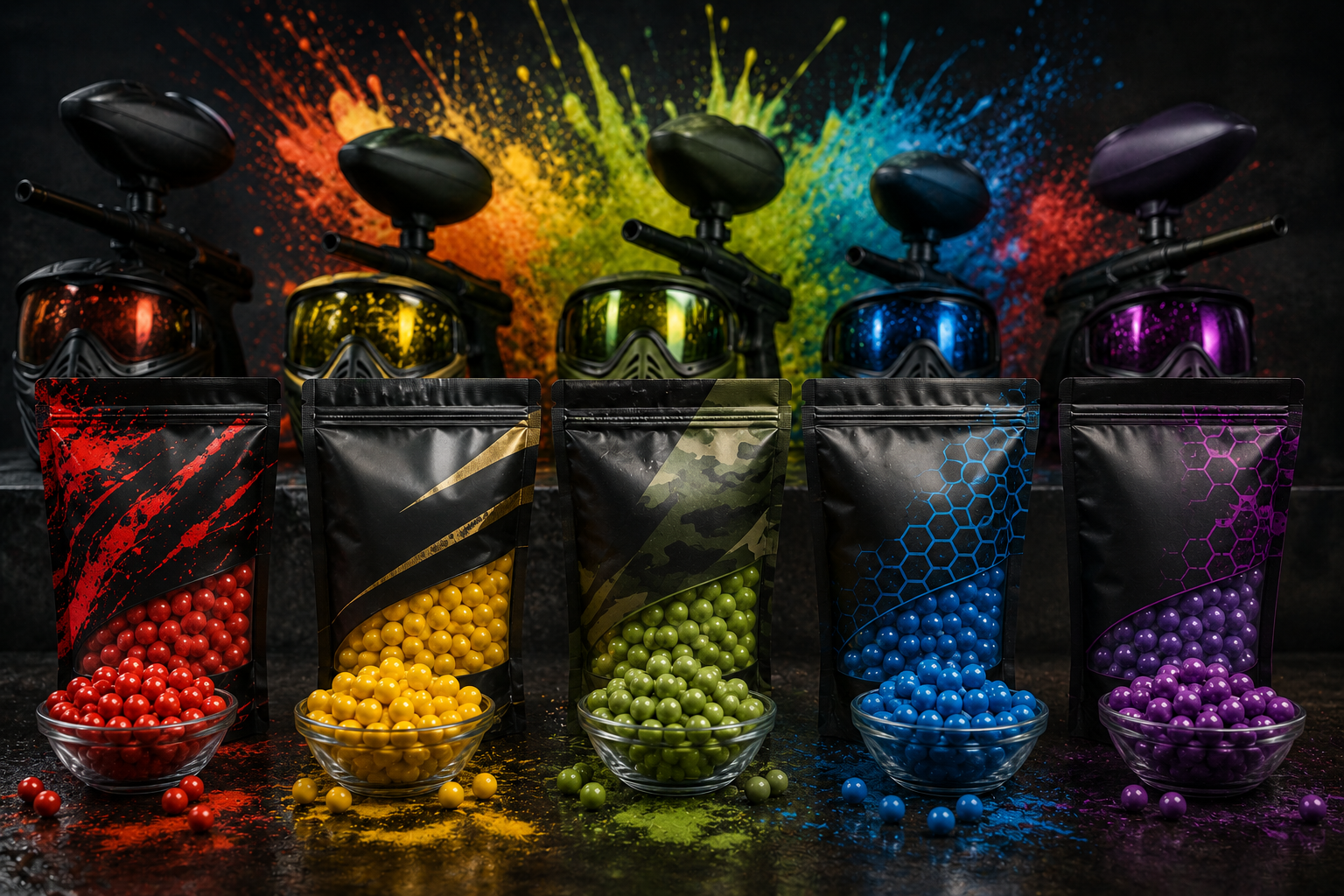
Walk into any paintball pro shop and you see the same selection. Cases in yellow, pink, and orange. A few national brand logos. Maybe one or two field-branded options. The products look similar, shoot similarly, and sell at similar prices.
This is the commodity trap. The brands that escape it do not necessarily have better paint. They have better paintball brand differentiation. They have identified something about their product or experience that feels different and worth choosing.
This guide presents a four-pillar framework for paintball brand differentiation. Each pillar represents a dimension where you can build a meaningful difference.
The Framework Four pillars of paintball brand differentiation
Pillar 1 Product quality and consistency
Quality is the floor, not the ceiling. Every other differentiation strategy fails if the product is inconsistent.
Pillar 2 Packaging and visual identity
Paintball cases sit on shelves next to other paintball cases. If yours blends in, your brand is invisible.
Pillar 3 Performance positioning
Not every brand needs to be tournament grade. Differentiation can come from owning a specific performance position.
| Position | Target | Key Specs | Message |
|---|---|---|---|
| Tournament precision | Competitive players | +/-0.002″ tolerance | “Shoots straight every time” |
| Rental durability | Field owners | Tougher shell | “Survives the rental hopper” |
| Heat-tolerant | Warm-climate fields | Higher-bloom gelatin | “Won’t go soft in the sun” |
| Eco-friendly | Sustainability buyers | Biodegradable fill | “Plays hard, degrades soft” |
| Value grade | Recreational players | Standard field-grade | “More paint per dollar” |
Pillar 4 Customer experience and trust
Differentiation through trust is the hardest to build and the hardest to copy. It is also the most durable.
Strategy Building your differentiation plan
- Choose one pillar to own. Pick the one that matters most to your target customer where you have the strongest capability.
- Define what good looks like. Make it measurable: 0.002″ tolerance, under 10 fps spread, under 2% break rate.
- Communicate it clearly. Your website, case, and sales conversations should all reflect your chosen differentiator.
- Deliver it on every order. A promise means nothing if the third order does not match the first. Consistency is the mechanism that turns a statement into a reputation.
? Frequently Asked Questions
Can a small field compete with national brands?
Yes. A small field differentiates through customer experience and community connection. Your brand competes on the personal relationship with every player, not production volume.
How much does differentiation cost?
Visual identity costs $200-800 plus 5-15% per case. Quality consistency costs nothing extra with the right manufacturer. Performance positioning requires OEM investment. Customer experience costs time and process improvement.
Should I differentiate on price?
Price is the weakest differentiator because it is the easiest to copy. If price is your only differentiator, you have a commodity with a label, not a brand.
How long does it take?
Visual differentiation is immediate. Quality differentiation takes one to two seasons. Customer experience takes two to three seasons of consistent positive interactions.
+ The short version
Brand differentiation is about choosing a dimension where you can deliver genuine value and committing to it consistently. The four pillars provide a framework for that choice.
The brands that win are the ones that answer this question clearly: “Why should a player or field owner choose this paint over the one next to it?” If you cannot answer that, start there.
Building a differentiated brand? Contact CS Paintballs to discuss how custom fill colors, private labeling, or OEM formulation can support your strategy.