
Paintball Customs Clearance: How Importers Can Reduce Delays
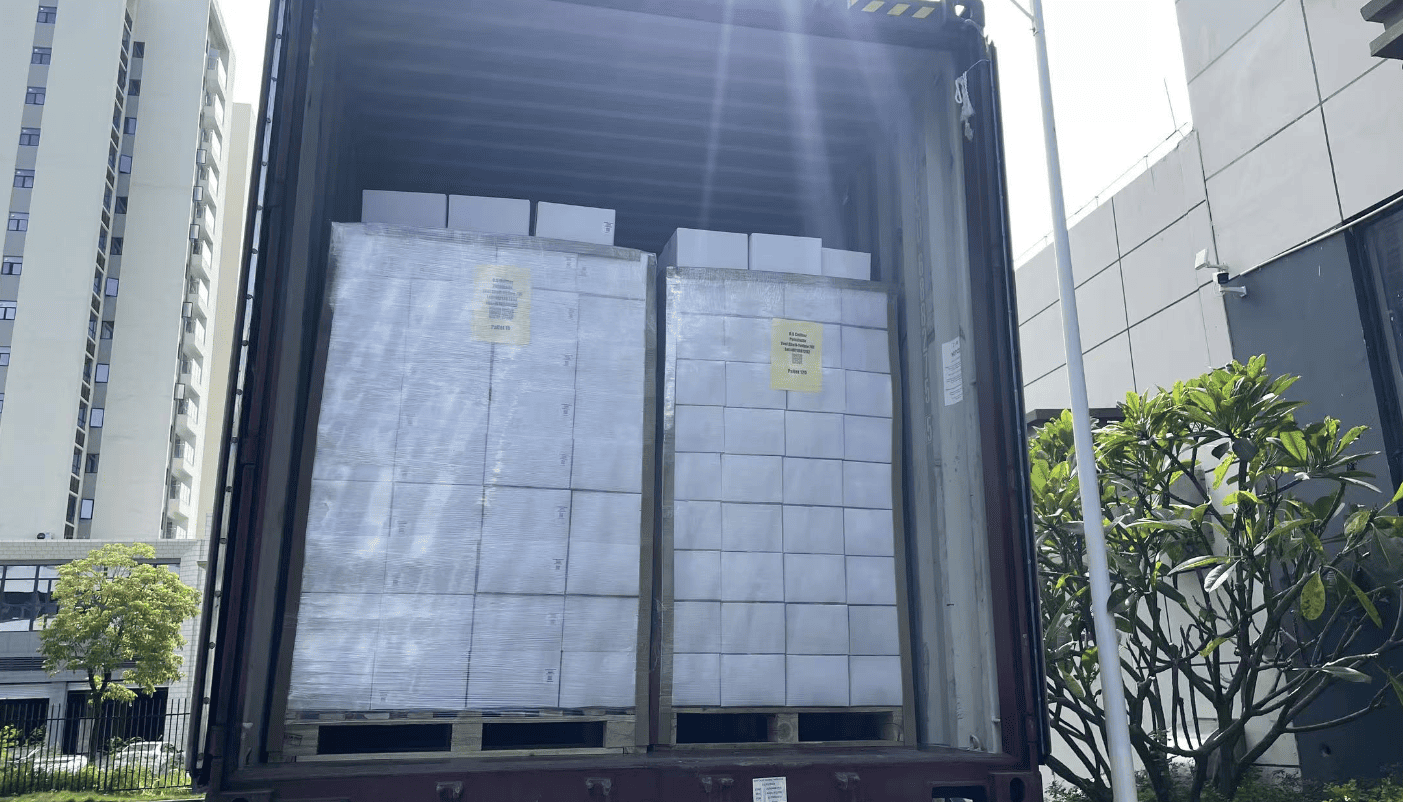
A container of paintballs arrives at the port of Los Angeles on Tuesday morning. By Friday, it is still sitting in the customs inspection area. The field owner who ordered it is calling every day asking where his paint is. The importer is on hold with customs. The container is racking up storage fees at $200 per day. And the problem is almost always something that could have been prevented before the container ever left China.
Customs clearance for paintball equipment is not especially difficult. The products are straightforward sporting goods with clear HTS classifications. Delays happen for a small set of reasons — and every single one is preventable with the right preparation.
This playbook covers the five most common causes of customs delays for paintball imports, what customs is actually looking for in each case, and the specific moves you can make to prevent them.
DELAY CAUSE 1 Wrong or vague HTS classification
Customs uses the HTS code to determine duty rate, admissibility, and whether any special regulations apply. A vague or incorrect code triggers a hold while customs verifies the classification. Paintball markers classified as “sports equipment” (9506.99.6080) clear smoothly. Paintball markers classified as something generic like “other plastic articles” risk a multiflag.
The play: Use the specific HTS code for paintball sporting goods. Confirm it with your customs broker before the shipment departs. If your shipment includes multiple product types (markers, paintballs, tanks, masks), list each with its own line item and HTS code on the commercial invoice. A single generic line item is a red flag.
| Product | HTS Code (US) | Duty Rate |
|---|---|---|
| Paintballs | 9506.99.1500 | 3.9% |
| Paintball markers | 9506.99.6080 | 3.9–4.5% |
| Protective masks | 9506.99.6080 | 3.9–4.5% |
| Steel CO2 tanks | 7311.00.0030 | Free |
| Aluminum HPA tanks | 7613.00.0000 | 2–3.9% |
DELAY CAUSE 2 Missing or incomplete documentation
Customs cannot process a shipment without a complete documentation package. The most common gaps are: commercial invoice missing the manufacturer’s address, packing list not itemized by pallet, or certificate of origin not included.
The play: Use a documentation checklist and verify every item before the shipment departs.
DELAY CAUSE 3 Value declaration discrepancies
Customs has access to transaction databases and knows the typical price range for paintball equipment. If your declared value is significantly below the expected range, the system flags the shipment for review. This is especially common with first-time importers who declare the FOB price instead of the CIF value (which includes freight and insurance).
The play: Declare accurate CIF values. The CIF value is the FOB price plus ocean freight plus insurance to the destination port. This is the legal basis for duty calculation. If your supplier offers a discounted price for a first order, include the actual transaction value — not what you think the product is “worth.” Customs may request proof of payment, and a discrepancy between your declaration and your bank transfer creates problems.
Pro tip: Keep your purchase order, commercial invoice, and proof of payment in a single file. If customs requests verification, you can respond within hours instead of days.
DELAY CAUSE 4 Late or inaccurate ISF filing
The Importer Security Filing (ISF-10) must be submitted to US Customs at least 24 hours before cargo is loaded onto a vessel bound for the United States. This is not a suggestion — it is a legal requirement with a $5,000 penalty per violation. Late filings are treated the same as inaccurate filings.
The play: Submit your ISF-10 as soon as the booking is confirmed, ideally 3-5 days before the vessel departure. Do not wait until 24 hours before loading. Provide your customs broker with the following information: manufacturer name and address, seller name and address, buyer name and address, consignee number, HTS code (at least 6 digits), country of origin, and container stuffing location.
If any information changes after the ISF is filed, file an amendment immediately. The penalty applies to the accuracy of the filing at the time of loading, not at the time of submission.
DELAY CAUSE 5 Physical inspection triggers
Some inspections are random. Some are triggered by the commodity type, the origin country, or the importer’s history. Paintball equipment from China is not a high-risk category, but it can still be selected.
The play: You cannot prevent a random inspection, but you can minimize its impact. Ensure all documentation is accurate so that if the shipment is flagged, there are no secondary issues. Arrange drayage with a carrier that can flex its pickup window by a few days. And build a 1-2 week buffer into your inventory planning — the most successful importers treat inspection delays as a normal cost of doing business rather than an emergency.
If your shipment is selected for inspection, your customs broker will coordinate with the exam site. The container will be moved to the inspection facility, opened, and examined. Having accurate packing lists speeds up this process because customs can verify what they see against what is declared.
BONUS PLAY Your customs broker is your best delay prevention tool
A good customs broker does more than file paperwork. They:
- Verify your HTS classifications before the shipment departs, catching errors while there is still time to fix them.
- Review your documentation package and flag missing items before the vessel arrives.
- Monitor the shipment’s status and respond to customs inquiries within hours, not days.
- Maintain relationships with port exam sites and know how to expedite inspections when they happen.
- Provide ISF filing services and ensure deadlines are met.
For a fee of $100-300 per entry, a broker eliminates 80% of the common delay causes listed above. If you are importing paintball equipment without one, the question is not whether you will eventually have a preventable delay — it is when.
READINESS CHECK Pre-clearance checklist for every shipment
Run through this checklist 72 hours before your container arrives at the destination port. If every item is checked, your clearance should proceed without issues.
? Frequently Asked Questions
How does customs value my paintball shipment?
Customs uses the transaction value method, which is the price actually paid or payable for the goods, plus freight and insurance to the destination port (CIF value). They have access to databases of typical prices for similar goods and can flag values that seem abnormally low. Always declare the actual transaction value.
What happens if my customs broker makes an error in the filing?
The legal responsibility for the accuracy of the customs entry lies with the importer of record, not the broker. If your broker makes an error, you are the one who will receive the penalty notice. This is why it is important to review the entry summary before it is filed, even if you are paying a broker to prepare it.
Can I get my container released faster by paying a higher duty rate?
No. Paying a higher duty rate than required does not speed up clearance. Customs release is based on documentation completeness and classification accuracy, not the duty amount paid. Overpaying duty also means going through a refund process to recover the overpayment, which adds more paperwork.
Do I need a customs bond for paintball imports?
Yes, for most commercial shipments. A customs bond guarantees payment of duties and compliance with regulations. Single-entry bonds cost about 2-3% of the shipment value. Continuous bonds ($500-1,500 per year) cover all shipments for twelve months and are more cost-effective if you import more than 3-4 times per year.
+ The short version
Customs clearance for paintball equipment is straightforward when you prepare correctly. Use the right HTS code, submit complete documentation, declare accurate values, file ISF on time, and work with a broker who knows sporting goods. The five delay causes in this playbook account for nearly all clearance problems importers face.
The best strategy is simple: prepare every shipment as if it will be inspected. When it clears without issues, you lose nothing. When it gets flagged, you are ready.
Need help with customs documentation for your next paintball order? Contact CS Paintballs — we provide complete documentation packages with every shipment.