
Why Are .68 Caliber Paintballs Not All the Same Size? Diameter Tolerance Explained
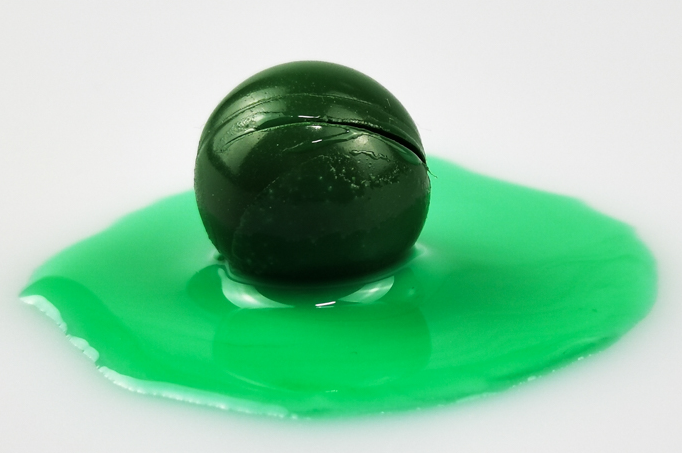
A distributor receives two cases of paintballs from the same manufacturer. Both are labeled .68 caliber. One case averages 0.689 inches. The other averages 0.691 inches. The difference is only 0.002 inches — about the thickness of a human hair. But that difference is enough to affect how the paint fits in a barrel bore, which affects accuracy and break reliability.
This variation is normal. No manufacturing process can produce identical products every time. The question is not whether variation exists but how much variation is acceptable. Paintball diameter tolerance — the acceptable range of variation — is one of the most important specifications a buyer can understand.
Caliber What .68 caliber actually means
The term .68 caliber refers to the nominal diameter of the paintball: 0.68 inches. This is the design target, not the actual measurement of every ball. In practice, paintballs are manufactured to a target diameter that is slightly larger than the nominal .68 inches, typically 0.689 inches (17.5 mm).
The difference between the nominal .68 and the actual .689 is intentional. Standard barrel bores are manufactured at 0.688-0.690 inches for a .68 caliber marker. A paintball that measures exactly 0.68 inches would rattle through a 0.688-inch bore, rolling past the detents and causing accuracy issues. Sizing the paintball slightly larger than the nominal caliber ensures a proper fit in the barrel.
Causes Why diameter varies: four causes
Four factors cause diameter variation in paintball manufacturing:
The mold cavity determines the shell diameter. Precision molds are machined to tolerances of 0.0005 inches or better. But molds wear over time. After 10,000-20,000 cycles, microscopic wear increases the cavity size, producing slightly larger shells. Manufacturers who replace molds on a fixed schedule maintain tighter diameter control than those who run molds until they fail.
Gelatin shrinks as it cools from liquid to solid state. The amount of shrinkage varies with temperature, humidity, and gelatin formulation. A production run on a humid day may produce slightly different shell diameters than a run on a dry day. Climate-controlled production floors minimize this variation.
After demolding, shells continue to cure and release moisture. This post-curing process can change the shell diameter by 0.001-0.003 inches over the first 24-48 hours. Manufacturers who stabilize shells (tumble and dry) before sorting produce more consistent sorted diameters.
After manufacturing, shells are sorted by diameter using automated vision inspection systems or mechanical sorting screens. The accuracy of the sorting process determines how tight the diameter range is within a batch. Premium manufacturers sort to +/- 0.002 inches. Budget manufacturers may sort to +/- 0.005 inches or not sort at all.
Ranges Tolerance ranges by grade
Different grades of paintballs have different acceptable diameter tolerances. Understanding these ranges helps you choose the right product for your needs.
| Grade | Target Diameter | Acceptable Range | Sorting Method |
|---|---|---|---|
| Tournament (NXL spec) | 0.689″ | +/- 0.002″ | Automated vision, per-ball |
| Premium field | 0.689″ | +/- 0.003″ | Automated vision, per-ball |
| Standard field | 0.689″ | +/- 0.004″ | Mechanical sorting screens |
| Budget / economy | 0.689″ | +/- 0.005″ or wider | Sample testing only |
A buyer who needs consistent performance for tournament play should specify NXL spec (+/- 0.002 inches). A field owner buying rental paint can accept field grade (+/- 0.004 inches) because the markers and players are less sensitive to diameter variation. The key is knowing what tolerance you need and verifying that your supplier can meet it consistently.
Performance How diameter variation affects performance
Diameter variation affects three aspects of paintball performance:
- Barrel fit. A paintball that is 0.003 inches smaller than the barrel bore will roll past the detent, causing chopping. A ball that is 0.003 inches larger will fit too tightly, creating friction that can cause barrel breaks or velocity inconsistency. Proper diameter-to-bore matching is essential for reliable performance.
- Accuracy. Paintballs of different diameters experience different drag profiles in flight. A batch with a 0.005-inch diameter spread will shoot differently from ball to ball, producing inconsistent accuracy at range. Consistent diameter produces consistent accuracy.
- Velocity consistency. A paintball that fits the barrel snugly receives more consistent gas pressure behind it than a ball that rocks loosely. Diameter variation within a batch creates velocity variation, which compounds the accuracy problem.
Control How manufacturers control and sort diameter
Premium paintball manufacturers use several methods to control diameter:
- Precision molds. Molds are machined to tolerances of 0.0005 inches or better. Premium manufacturers inspect molds after every run and replace them on a fixed schedule.
- Temperature control. Climate-controlled production floors (within +/- 1 degree C) minimize cooling shrinkage variation. Consistent temperature produces consistent diameter.
- Automated vision inspection. High-speed cameras measure every single paintball and sort them into diameter bins. This is the most accurate sorting method and is standard for tournament-grade production.
- Post-production stabilization. Shells are tumbled and dried for 24-48 hours before sorting to allow post-curing changes to complete. This ensures the sorted diameter is stable.
Buyer What buyers should look for
When purchasing paintballs, here is what to look for regarding diameter consistency:
- Ask for the target diameter. Most manufacturers target 0.689 inches for .68 caliber paintballs. If your supplier targets a different diameter, ask why and what barrel bore they recommend.
- Request diameter distribution data. A manufacturer who tracks quality will provide a diameter distribution chart showing the range across a sample. Request this data for every batch you buy.
- Measure yourself. Use a digital caliper to measure 30 random balls from every new case. Record the average and range. This gives you your own quality data over time.
- Match paint to barrel. Know the bore of your barrel kit and buy paint that fits it. A 0.689-inch barrel bore works best with paint averaging 0.689-0.690 inches. Adjust your insert selection based on each batchs actual diameter.
? Frequently Asked Questions
Can I use paintballs with different diameters in the same marker?
Yes, as long as the diameter range is within your barrel bores tolerance. A barrel kit with multiple inserts lets you match the bore to the paint. If your paint ranges from 0.688-0.692 inches, use a 0.691 or 0.692 inch insert for best performance. Do not use a single fixed bore barrel with paint that varies significantly in diameter.
Is there a standard diameter for all .68 caliber paintballs?
There is no mandatory standard, but the industry has settled on 0.689 inches as the target diameter for most tournament and premium field paint. Some manufacturers target 0.688 inches, others target 0.690 inches. Always check the actual measurement rather than assuming the nominal .68 caliber specification.
Does humidity affect paintball diameter after manufacturing?
Yes. Gelatin shells absorb moisture from the air. In high humidity (above 70%), shells can swell by 0.001-0.003 inches over 24-48 hours. This is why storing paint in controlled conditions matters — and why the same batch of paint may measure differently on a humid day versus a dry day.
Can I return a batch of paintballs if the diameter is outside the specified tolerance?
If your supply agreement specifies a diameter tolerance and the batch falls outside it, you have grounds for a claim. This is why diameter tolerance should be included in your quality agreement. Without a written specification, the manufacturer may argue the product is within their standard range. Always document the agreed tolerance in your purchase order or supply contract.
+ The short version
.68 caliber paintballs are not all the same size because manufacturing tolerances, mold wear, cooling shrinkage, and sorting accuracy create inherent variation. The industry standard target diameter is 0.689 inches, with acceptable ranges varying by grade: +/- 0.002 inches for tournament-grade, +/- 0.004 inches for field-grade, and wider for budget products.
Diameter variation affects barrel fit, accuracy, and velocity consistency. The best way to manage it is to specify your required tolerance in your supply agreement, verify diameter data from your supplier, and measure every batch yourself. Matching your paint diameter to your barrel bore is the single most effective way to improve shooting consistency.
Need help understanding paintball diameter specifications? Contact CS Paintballs for detailed diameter distribution data on all our product lines.