
Paintball Case Design: How Packaging Builds Brand Trust
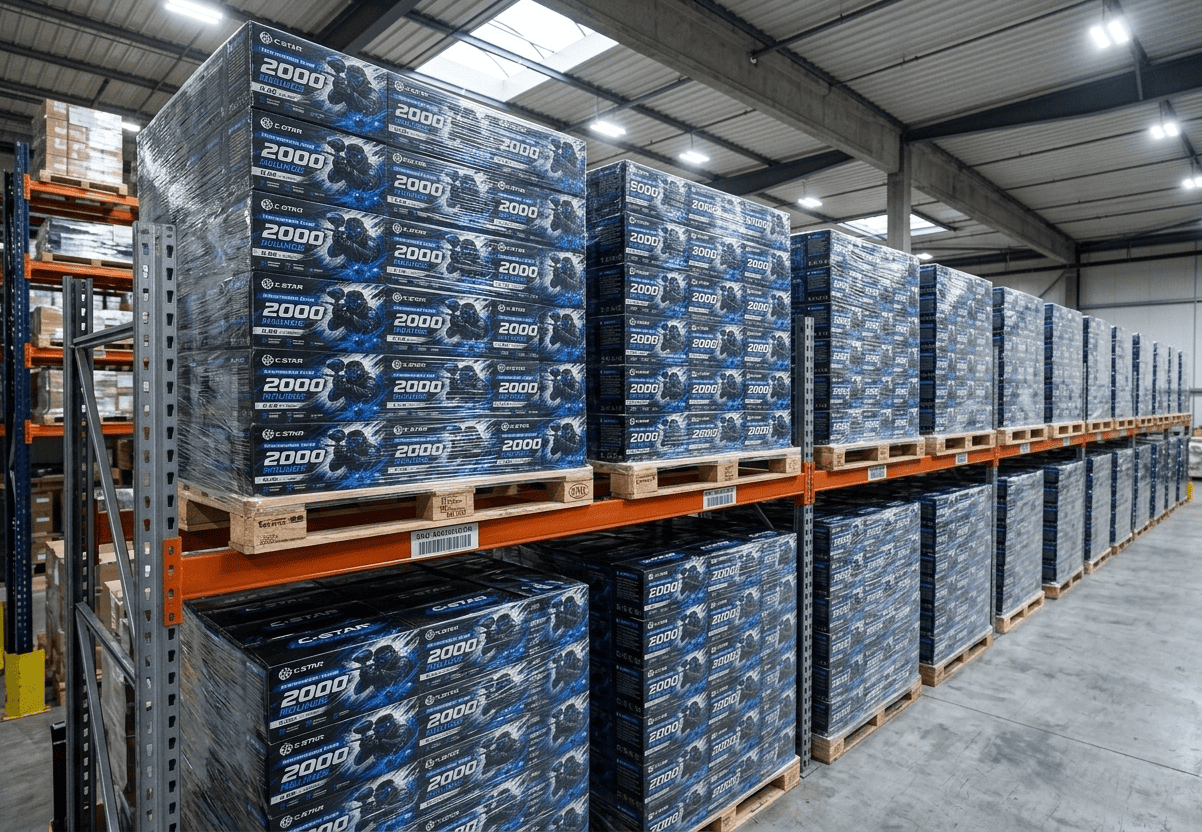
Two cases of paint sit side by side on the pro shop shelf. Same price. Same case count. Same fill color. One has a clean, professionally printed case with brand logo, product name, fill color indicator, and a batch number. The other has a plain brown case with a generic adhesive label peeling off at one corner.
Which one does the customer choose? And more importantly, which one do they trust to shoot well?
Paintball packaging design is not decoration. It is communication. Every design choice on a paintball case sends a signal about the brand’s attention to quality, its professionalism, and its respect for the customer. This article examines five design principles that directly affect how customers perceive and trust a paintball brand.
Principle 1 Visual quality signals product quality
Consumers consistently associate attractive packaging with higher product quality. In paintball, where the product is sealed inside the case until purchase, packaging is the only quality signal available at the point of sale.
Application: Full-color case printing, consistent brand colors, sharp typography, and clean layout. A case that looks professionally designed tells the buyer: “The people who made this box care about how they present themselves, and they probably care about what is inside it.”
Principle 2 Information transparency builds credibility
When a brand puts specific, verifiable information on its packaging, it signals confidence in its product. The absence of such information signals the opposite.
Application: A case that displays “Batch: 2406-12 | Diameter: 0.689 (+/- 0.002)” communicates more trust than one that just says “Premium Paintballs.” The specificity tells the buyer that the manufacturer tracks and measures their product. That measurability implies consistency.
Principle 3 Functional design shows attention to detail
Functional packaging features — easy-open tabs, handles that do not dig into your hand, cases that stack securely — create a sense that the manufacturer has considered the user’s experience. This translates into trust because it implies the same attention was applied to the product inside.
Application: A case with a well-designed opening mechanism, a clear fill color indicator on multiple faces, and stackable dimensions for storage shows that the manufacturer thinks about how their product is used.
Principle 4 Consistency across products reinforces recognition
When a brand’s products share a consistent visual language, each product reinforces the others. A field owner who trusts your tournament-grade paint will extend that trust to your field-grade paint if the packaging looks like it came from the same brand.
Application: Create a packaging system where each tier has a consistent layout, differentiated by color or a tier badge rather than completely different designs. The field owner who sees your tournament case should immediately recognize it as the same brand as the field-grade case they used last weekend.
Principle 5 Environmental packaging signals values alignment
Packaging material choices signal the brand’s values. Recyclable or recycled-content cases, soy-based inks, and minimal plastic wrapping communicate environmental awareness. For environmentally conscious buyers, these signals matter.
Application: If you use biodegradable or water-soluble fill, your packaging should reinforce that message. A fully recyclable case with a clear recycling symbol aligns the packaging with the product’s environmental benefits.
Checklist Applying the principles to your packaging
Use this checklist when designing or evaluating your paintball cases.
? Frequently Asked Questions
Can I improve packaging without full-case printing?
Yes. High-quality adhesive labels with clean design and clear information make a significant difference over plain cases. A well-designed label with batch numbers and QC info still communicates attention to detail.
What is the most underused element on paintball cases?
The fill color indicator. A large, clear color swatch or see-through window on the case is an immediate trust-builder because the buyer can confirm the color without opening the case. Most brands overlook this simple element.
How often should I update case design?
Every 3-5 years for the core design, with annual updates for batch-specific info. A complete redesign is not necessary unless your brand positioning has changed. Small improvements keep the packaging current without losing recognition.
Does packaging affect resale value of paintballs?
Yes. A case with clean, intact packaging sells faster at full price than a case with damaged or poorly designed packaging, even when the paint inside is identical. Field owners report that well-packaged paint moves off the shelf faster.
+ The short version
Paintball case design is the first interaction a customer has with your product, and it shapes their expectations of the paint inside. Well-designed packaging communicates quality, transparency, attention to detail, and brand values. Poor packaging communicates the opposite, regardless of how good the paint is.
Invest in your cases as seriously as you invest in your paint. The box is not just a container. It is the most cost-effective marketing tool you have.
Ready to talk about custom case design for your brand? Contact CS Paintballs to request artwork templates and packaging specifications.