
Where to Buy High-Quality Paintball Ammo in Bulk
The complete China sourcing guide — from finding verified manufacturers to payment, shipping, customs clearance, and getting your paintballs from a factory in China to your warehouse door.
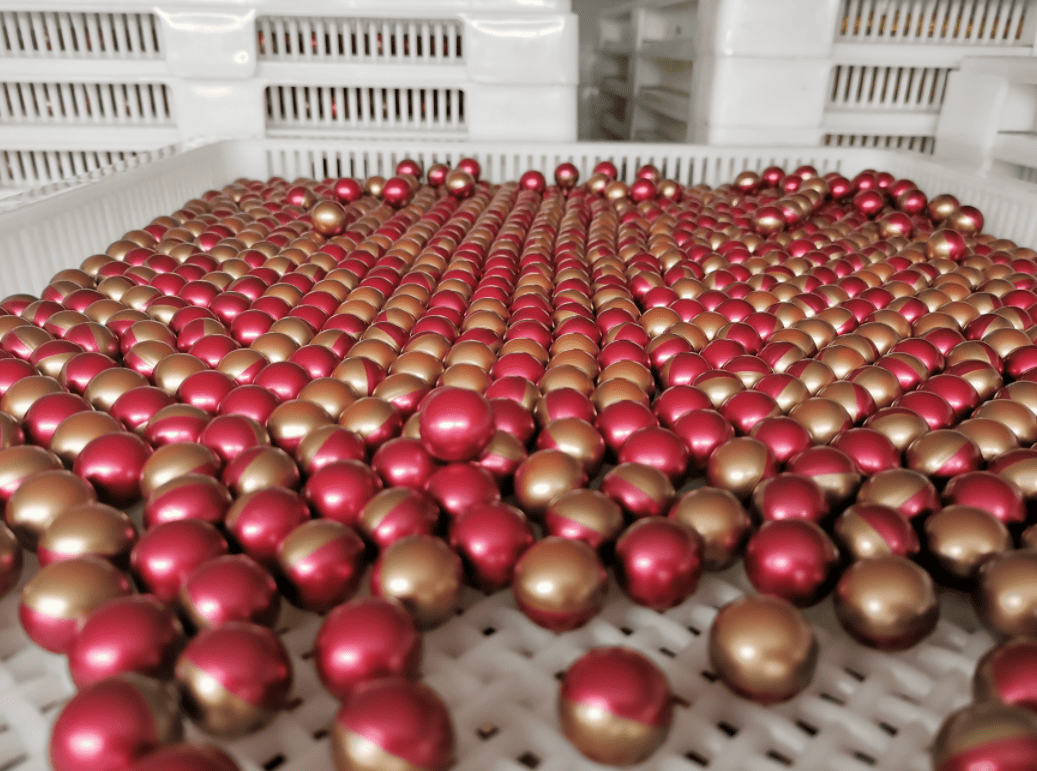
China manufactures the majority of the world’s paintball ammo supply. For field operators, importers, and distributors willing to source directly, the cost advantage over local distributors is significant — often 30–50% lower landed cost per case at volume. But the path from “I want to buy from China” to “my paintballs are in my warehouse” involves a series of unfamiliar steps that stops most buyers before they start. This guide covers every step in plain language, so you can make your first bulk paintball order with confidence.
Section 1: Why Source Paintballs Directly from China?
The global paintball manufacturing supply chain is heavily concentrated in China, with major production clusters in Fujian, Guangdong, and Jiangsu provinces. Several of the world’s largest paintball manufacturers — producing both under their own brands and as OEM suppliers to well-known international labels — operate out of these regions.
For buyers currently purchasing through domestic distributors or regional wholesalers, the economics of direct China sourcing are compelling:
| Procurement Channel | Typical Price Premium Over Factory | Advantages | Disadvantages |
|---|---|---|---|
| Local retailer / distributor | 50–100% over factory price | No import complexity; immediate availability | Highest per-unit cost; limited customization |
| Regional wholesaler | 25–50% over factory price | Volume pricing; some flexibility | Still a middleman margin; limited supplier transparency |
| Direct from China manufacturer | 0% — factory price | Best price; OEM/custom branding; direct quality control | Import complexity; MOQ requirements; longer lead times |
💡 The Economics of Direct Sourcing
Global Sources confirms buyers can save as much as 50% on wholesale paintball purchases by sourcing directly in bulk. For a field consuming 50 cases per month, even a 30% cost reduction on paintball ammo translates into tens of thousands of dollars annually — a figure that easily justifies the initial learning curve of international procurement.
Section 2: How to Find Verified Paintball Manufacturers in China
The challenge is not finding paintball suppliers in China — there are hundreds. The challenge is identifying manufacturers who produce genuine PEG-based paintball ammo (not oil-fill or inferior product), hold the required export licenses, and have a verifiable track record of international shipments.
The Four Sourcing Channels — Ranked by Reliability
1. Direct Manufacturer Contact (Best for Established Buyers)
The highest-quality manufacturers — those with licensed production facilities, consistent fill formulations, and international compliance documentation — typically maintain their own export departments and English-language websites. C-Star Technology Co., Ltd. , a paintball manufacturer with over 20 years of production experience, is one example of a factory-direct supplier with verified PEG fill formulations and international distribution reach. When researching direct manufacturers, request their Civil Production License, Export License, and quality test certificates upfront. Legitimate manufacturers provide these readily.
2. Alibaba (Verified Supplier Program)
Alibaba’s paintball ammo section lists hundreds of suppliers, ranging from genuine factories to trading companies. For paintball ammo specifically, filter for: Verified Supplier badge (Alibaba’s on-site factory verification), Trade Assurance (payment protection), and suppliers with 3+ years on platform and 50+ transactions. Always request a product sample before placing a bulk order.
3. Made-in-China.com and Global Sources
Made-in-China.com and Global Sources are alternative B2B platforms with verified manufacturer listings. Global Sources in particular has stricter supplier verification requirements than Alibaba for many categories. Both platforms allow direct RFQ (Request for Quotation) submission to multiple suppliers simultaneously.
4. Trade Fairs (Highest Trust, Slowest Process)
The Canton Fair (China Import and Export Fair), held biannually in Guangzhou, is the largest trade fair in China. Sporting goods and recreational equipment manufacturers exhibit here, and meeting a factory representative in person before placing a large order provides a level of supplier verification that online platforms cannot replicate. For buyers planning annual procurement volumes above $100,000, a Canton Fair trip pays for itself in a single order.
⚠️ Trading Company vs Factory — Know the Difference
Many Alibaba listings that appear to be “factories” are actually trading companies — intermediaries who buy from factories and resell to international buyers. Trading companies add a margin (typically 10–25%) and have less control over production quality. For paintball ammo where fill formulation consistency is critical, working directly with the manufacturer is strongly preferred. Ask suppliers directly: “Are you the manufacturer or a trading company?” Request factory photos, production line images, and a video call factory tour if in doubt.
Section 3: Quality Vetting — What to Verify Before You Order
Paintball quality is not visible from a catalog photo or a Alibaba listing. The fill formulation — PEG-based vs oil-based vs hybrid — determines everything about field performance, cleaning costs, and equipment lifespan. Here is the verification checklist every buyer should complete before committing to a supplier:
- Request full fill ingredient disclosure: Ask specifically for the fill composition by percentage weight. A legitimate PEG-based manufacturer will confirm PEG as the primary ingredient (>80% by weight) and list no vegetable oil components.
- Request production and export licenses: Chinese paintball manufacturers must hold a Civil Gun Manufacturing License (民用枪支生产许可证) to legally produce paintball markers and related products. Ask for a copy before proceeding.
- Request a Certificate of Analysis (CoA) or quality test report: Reputable manufacturers conduct batch testing. Request break rate test results, shell hardness parameters, and fill pH data.
- Order samples before bulk commitment: A sample box of 200–500 balls allows you to run the three-test protocol (visual, touch, bore test) and fire tests before committing to a full order. Most manufacturers provide samples at cost price plus shipping.
- Verify caliber tolerance specification: Ask the manufacturer for their nominal diameter range and tolerance for the caliber you are ordering (.68 cal typically ranges from .682–.692). This matters for barrel bore matching in your rental fleet.
- Check storage and shelf life documentation: A quality manufacturer will provide written storage guidelines and a stated shelf life from production date — typically 12–24 months under ideal conditions.
- Request references from existing international customers: Established manufacturers regularly supply to field operators or distributors in your region. Ask for verifiable references.
Section 4: MOQ, Pricing Structure, and Sample Orders
Understanding minimum order quantities and pricing tiers is essential for planning your procurement cycle and comparing supplier quotes accurately.
Typical MOQ Ranges for Paintball Ammo
| Order Type | Typical MOQ | Recommended For | Notes |
|---|---|---|---|
| Sample order | 200–500 balls (1–2 bags) | First-time buyers, quality testing | Usually priced at cost; expect 2–4 week lead time |
| Trial order | 5–10 cases (2,000–4,000 balls) | New supplier relationships | Verify production quality matches sample before scaling |
| Standard bulk order | 50–100 cases (20,000–40,000 balls) | Established field operators | Volume pricing begins here; FCL (Full Container Load) pricing from ~150 cases |
| OEM / custom branded order | 500–1,000 cases minimum | Distributors, regional wholesalers | Custom shell colors, packaging, and OEM branding available |
How Pricing is Structured
Chinese paintball manufacturers quote in US dollars per case (typically 2,000 balls per case in standard packaging). Pricing tiers usually break at 50, 100, 200, and 500+ cases. Always request a tiered price list rather than a single-unit price, and always clarify which Incoterm the quote is based on (see Section 5) — a “factory price” quoted EXW is not comparable to a “CIF” quote that includes freight and insurance.
The lowest per-unit price in a supplier quote means nothing without knowing what it includes. Always compare quotes on the same Incoterm basis — ideally FOB — to make a true cost comparison.
Section 5: Incoterms — Who Pays for What
Incoterms (International Commercial Terms), published by the International Chamber of Commerce, define the point at which responsibility and cost transfer from seller to buyer in international trade. For paintball ammo imports from China, four terms are in common use. Choosing the wrong one can cost $500–$5,000+ extra per shipment.
Seller responsibility ends at factory gate. Buyer handles all China inland freight, export customs, ocean freight, insurance, and destination customs. Lowest product price, highest buyer complexity. Not recommended for first-time importers.
Seller handles China inland freight and export customs clearance. Buyer arranges and pays for ocean freight from Chinese port, insurance, and destination customs. Best balance of cost control and manageable responsibility. Industry standard for China imports.
Seller covers ocean freight and insurance to destination port. Buyer handles destination customs and inland delivery. Simpler for new importers but typically 10–20% more expensive than FOB due to supplier freight markups. Insurance coverage may be insufficient.
Seller handles everything to your warehouse door, including import duties. Maximum convenience, maximum cost — typically 30–40% more expensive than FOB. Not all Chinese factories offer this.
✅ Our Recommendation: Start with FOB
For most paintball field operators and importers new to China sourcing, FOB is the optimal Incoterm. The supplier handles the complexity of China export procedures, and you arrange ocean freight through your own freight forwarder — giving you full visibility and control over shipping costs and schedule. Engage a freight forwarder in your country before placing your first order, so they can advise on freight options and help with import customs when the shipment arrives.
Section 6: Payment Terms and Methods
Payment terms in China manufacturing are relatively standardized, and understanding them protects your cash flow and mitigates supplier risk.
Standard Payment Structures
| Payment Structure | How It Works | Risk Level | When to Use |
|---|---|---|---|
| 30% deposit / 70% before shipment | Pay 30% to confirm order; pay balance when goods are ready at port before release | Moderate — balanced risk | Most common structure for new and established relationships |
| 50% / 50% | Pay 50% upfront, 50% before shipment | Higher buyer exposure upfront | Sometimes required for first-time orders by smaller factories |
| Letter of Credit (L/C) | Bank-guaranteed payment released on document compliance | Low — bank protection | Large orders ($50,000+); formal relationships; maximum security |
| Alibaba Trade Assurance | Payment held by Alibaba; released to supplier on confirmed delivery and quality | Low — platform protection | Alibaba platform purchases; excellent for first-time buyers |
| 100% upfront (TT) | Full payment before production | High buyer risk | Only with suppliers of established, verified trust |
Payment Methods
- Bank wire transfer (T/T — Telegraphic Transfer): Industry standard. Fast, direct, low fees for large amounts. Use for established supplier relationships.
- Alibaba Trade Assurance: Recommended for all Alibaba platform orders. Provides refund protection if goods do not match specification or are not delivered.
- PayPal: Available with some suppliers for small sample orders. Higher fees (3–5%); not suitable for bulk order amounts.
- Letter of Credit (L/C): Bank-issued guarantee. Best protection for orders above $50,000 USD. Requires setup through your bank — allow 2–3 weeks lead time.
🚨 Payment Security: Never Wire to Personal Accounts
All wire transfers should go to a corporate bank account in the manufacturer’s company name. Never wire money to a personal account, and always verify bank account details directly with the supplier by phone or video call before making a transfer — email-based bank detail changes are a common fraud vector in international trade.
Section 7: Shipping Methods, Transit Times, and Paintball-Specific Considerations
Paintballs are temperature and humidity sensitive — a fact that must inform your shipping decisions. The cheapest shipping option is not always the best option when the cargo requires controlled conditions.
Shipping Method Comparison
| Method | Transit Time | Cost | Best For | Paintball Risk |
|---|---|---|---|---|
| Sea freight (LCL) | 25–45 days | Low | 1–15 CBM; new importers sharing container space | Container temp risk — mitigate with desiccants |
| Sea freight (FCL) | 20–40 days | Lowest per unit | Full container loads (150+ cases); established importers | Container temp risk — insulate and use desiccants |
| Air freight | 3–7 days | High (3–5× sea) | Urgent restocking; sample shipments; high-value small quantities | Minimal — short transit reduces degradation risk |
| Express courier (DHL/FedEx/UPS) | 3–5 days | Very high | Sample orders only (<50kg); urgent small parcels | Excellent — fast, climate-controlled handling |
| Rail freight (China-Europe) | 18–22 days | Mid-range | European buyers; faster than sea, cheaper than air | Temperature variable in some transit regions |
The Full Transit Timeline (Sea Freight Example)
after order confirmed
factory to port
export customs + loading
depending on destination
destination clearance
port to warehouse
Total typical timeline from order confirmation to warehouse receipt: 45–90 days for sea freight. Plan your inventory accordingly — a field running low on paintballs with a 90-day replenishment cycle needs to reorder when stock reaches 3 months of projected consumption, not 3 weeks.
💡 Paintball-Specific Shipping Protections
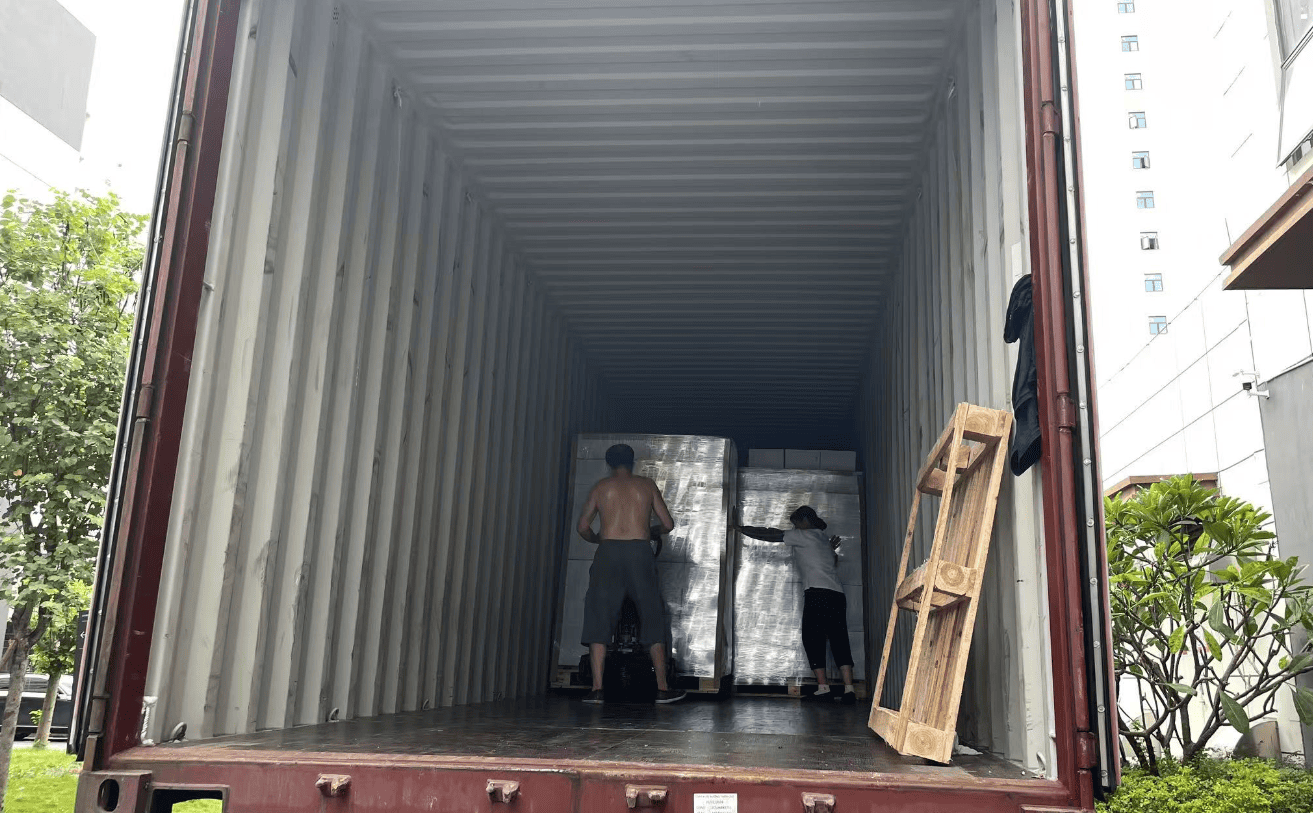
Based on manufacturer experience and international shipping data, include the following in every paintball sea freight shipment: (1) Silica gel desiccant packets at 1–2 units per cubic meter of cargo, placed between case layers. (2) Insulating foam or bubble wrap lining for containers shipping during summer months in tropical routing zones. (3) “Keep dry — temperature sensitive” markings on outer cartons. (4) Request booking confirmation that includes routing — avoid extreme-equatorial routes in peak summer. (5) Inspect immediately on warehouse receipt and document any quality variation with photos before accepting delivery.
Section 8: Customs Clearance, HS Codes, and Import Duties
Customs clearance is the step that most first-time importers underestimate. Paintball ammo sits in an unusual regulatory space — not food, not a firearm, not a toy — and its classification varies by jurisdiction. Getting the HS code wrong can mean incorrect duty rates, clearance delays, or in the worst case, seizure.
HS Code for Paintball Ammo
Paintball fill ammo (the balls themselves, not the markers) is most commonly classified under HS Chapter 95 (toys, games and sports requisites) or HS Chapter 93 (arms and ammunition), depending on the importing country’s interpretation and the product’s documented end use. In the United States, paintballs are typically classified under HTS 9504.20 (articles for billiards and other parlour games) or 9304 (other arms). In the EU, they commonly fall under CN 9504 or 9304.
⚠️ HS Code Classification Is Your Responsibility
The importer — not the exporter — bears legal responsibility for correct HS code classification and resulting duty payment. Misclassification, even unintentional, can result in penalties, additional duty assessments, and clearance delays. Always work with a licensed customs broker for your first paintball import shipment, and confirm the correct classification with them before the shipment departs China.
Required Import Documents
- Commercial Invoice: Must accurately describe the goods (paintball fill ammo, PEG-based, non-toxic), unit quantity, total value in USD, and Incoterm.
- Packing List: Box count, gross/net weight per carton, dimensions. Must match actual shipment exactly.
- Bill of Lading (sea) or Airway Bill (air): Issued by the carrier; acts as title document for the goods.
- Certificate of Origin (CoO): Confirms goods are manufactured in China. Required for tariff determination and some trade agreement applications.
- Safety Data Sheet (SDS/MSDS): Documents fill ingredient composition and safety classification. May be required by customs in some jurisdictions. Reputable PEG-fill manufacturers issue these for their products.
- Manufacturer’s Export License: For countries requiring import permits, you may need to present the supplier’s export authorization. Request this document proactively.
Section 9: Import Regulations by Country — What You Must Know
Paintball ammo import regulations vary significantly by destination. The key distinction in most jurisdictions is between paintball markers (guns) — which are typically more heavily regulated — and paintball ammo (fill balls) — which are generally classified under recreational sports goods and face fewer restrictions. This guide focuses on ammo; see our separate guide for marker import regulations.
| Country / Region | Paintball Ammo Classification | Import Restrictions | Duty / VAT | Action Required |
|---|---|---|---|---|
| 🇺🇸 USA | Sports goods / recreational equipment | Generally unrestricted | Standard HTS duties (currently subject to Section 301 tariffs on Chinese goods — check current rate) | Formal entry for commercial shipments >$2,500; ISF filing required |
| 🇬🇧 UK | Sports goods | No specific restrictions on ammo | 20% VAT + applicable duty (typically 0–4.7% under UK Global Tariff) | Standard import declaration; EORI number required |
| 🇪🇺 EU | Sports goods or arms — varies by member state interpretation | Some member states may require import notification | 20–25% VAT + CN duty rate; check Combined Nomenclature for specific rate | EORI number; standard customs declaration; VAT registration if ongoing commercial import |
| 🇦🇺 Australia | Sporting goods; “Soft Air” goods section | Must comply with Australian customs biosecurity requirements on gelatin products; import permit may be required | GST 10% + applicable tariff | Check with Australian Border Force and Department of Agriculture for biosecurity clearance on gelatin-shell products |
| 🇨🇦 Canada | Sporting goods | Generally unrestricted for fill ammo | GST/HST + applicable tariff under CETA or MFN rate | Standard B3 import declaration; broker recommended for commercial quantities |
| 🇧🇷 Brazil | Sporting goods; may be reviewed under arms regulations | Complex import licensing system (SISCOMEX); sporting goods import license may be required | High — Brazil applies multiple layered taxes (II, IPI, PIS, COFINS, ICMS); total can exceed 60% of CIF value | Engage a Brazilian customs broker (despachante aduaneiro) early; Brazil’s import regime is among the most complex globally |
| 🇸🇬 Singapore | Controlled goods under Arms and Explosives Act | Requires Arms Dealer License for import | GST 9% if applicable | Do not import without proper licensing; engage Singapore Customs directly |
| 🇮🇳 India | Sporting goods | Import license from DGFT may be required depending on classification | Customs duty + IGST; total typically 25–40% | Consult Directorate General of Foreign Trade (DGFT) for import licensing requirements |
🚨 Always Verify Before You Order — Regulations Change
Import regulations, tariff rates, and classification rulings change frequently. This table is a general reference only. Before placing any commercial paintball ammo order from China, consult a licensed customs broker in your destination country to confirm current requirements, duty rates, and any permit obligations. The cost of a pre-import compliance consultation (typically $200–500) is trivial compared to the cost of a customs seizure or unexpected duty bill on a $30,000+ shipment.
Section 10: Your Complete Procurement Planning Timeline
Putting it all together: here is a practical timeline for a first-time bulk paintball order from China, from initial supplier research to goods in your warehouse.
Weeks 1–2: Supplier Research and Shortlisting
Search Alibaba, Made-in-China.com, and direct manufacturer websites. Shortlist 3–5 suppliers. Request: company profile, production license, export license, fill ingredient disclosure, and price list (specify FOB). Eliminate any supplier unwilling to provide license documentation or ingredient specifics.
Week 3: Sample Order
Place sample orders with your top 2 suppliers via express courier (DHL/FedEx). Cost: $50–200 per sample. Test each batch using the three-test protocol: visual inspection, touch/hardness test, bore test, and fire test. Compare performance, shell quality, fill color vibrancy, and break consistency.
Week 4: Supplier Selection and Import Preparation
Select your preferred supplier based on sample results. Simultaneously: engage a freight forwarder in your country and request quotes for FCL/LCL sea freight from the supplier’s nearest major port (Shanghai, Shenzhen, Guangzhou, Ningbo); consult a customs broker about import requirements in your country; confirm your payment method and open Alibaba Trade Assurance if using that platform.
Week 5: Place Bulk Order and Pay Deposit
Confirm order specifications in writing: caliber, quantity, case count, fill color(s), packaging, and production date requirement. Sign purchase agreement or confirm via Alibaba Trade Assurance. Pay 30% deposit via wire transfer or Trade Assurance. Supplier confirms production start date.
Weeks 6–9: Production
Standard production lead time for paintball ammo is 15–30 days for established orders. Request a pre-shipment inspection (PSI) booking from a third-party QC firm (SGS, Intertek, or Bureau Veritas) — cost $200–400, paid before goods leave the factory. PSI report confirms batch quality before you release final payment.
Week 9–10: Pre-Shipment Inspection and Final Payment
Review PSI report. If quality confirmed, release 70% balance payment. Supplier prepares export documentation (commercial invoice, packing list, certificate of origin) and books cargo with freight forwarder. If using FOB terms, your freight forwarder coordinates vessel booking.
Weeks 10–14: Ocean Transit
Cargo departs China. Your freight forwarder provides Bill of Lading and tracking. Submit ISF (US) or pre-arrival notifications as required by your country. Prepare customs entry documentation with your broker. Transit time: 20–35 days depending on destination port.
Weeks 14–16: Import Customs Clearance and Delivery
Goods arrive at destination port. Customs broker files import entry. Pay import duties and VAT as applicable. Arrange inland delivery from port to your warehouse. Inspect immediately on arrival and photograph any issues. Congratulations — your first China paintball order is complete.
✅ The Complete Bulk Paintball Sourcing Checklist
Supplier: Verified manufacturer (not trading company) with production license, export license, and PEG fill documentation. | Quality: Sample-tested before bulk order; PSI before final payment. | Incoterm: FOB for most buyers — supplier handles China export; you control ocean freight. | Payment: 30/70 split via T/T or Alibaba Trade Assurance; never to personal accounts. | Shipping: Sea freight with desiccants and temperature-protective packaging; budget 45–90 days total. | Customs: Licensed broker for first import; confirm HS code and duty rate before ordering. | Planning: Reorder at 90 days of projected consumption remaining, not 30. | Storage: Climate-controlled warehouse reception; inspect and photograph on arrival; FIFO rotation from day one.