
Why Is Oil-Based Paint “Illegal” in Paintball?
The chemistry, the real-world costs, and why virtually every serious field, league, and operator has banned or abandoned oil-fill paintballs — whether or not the law requires it.
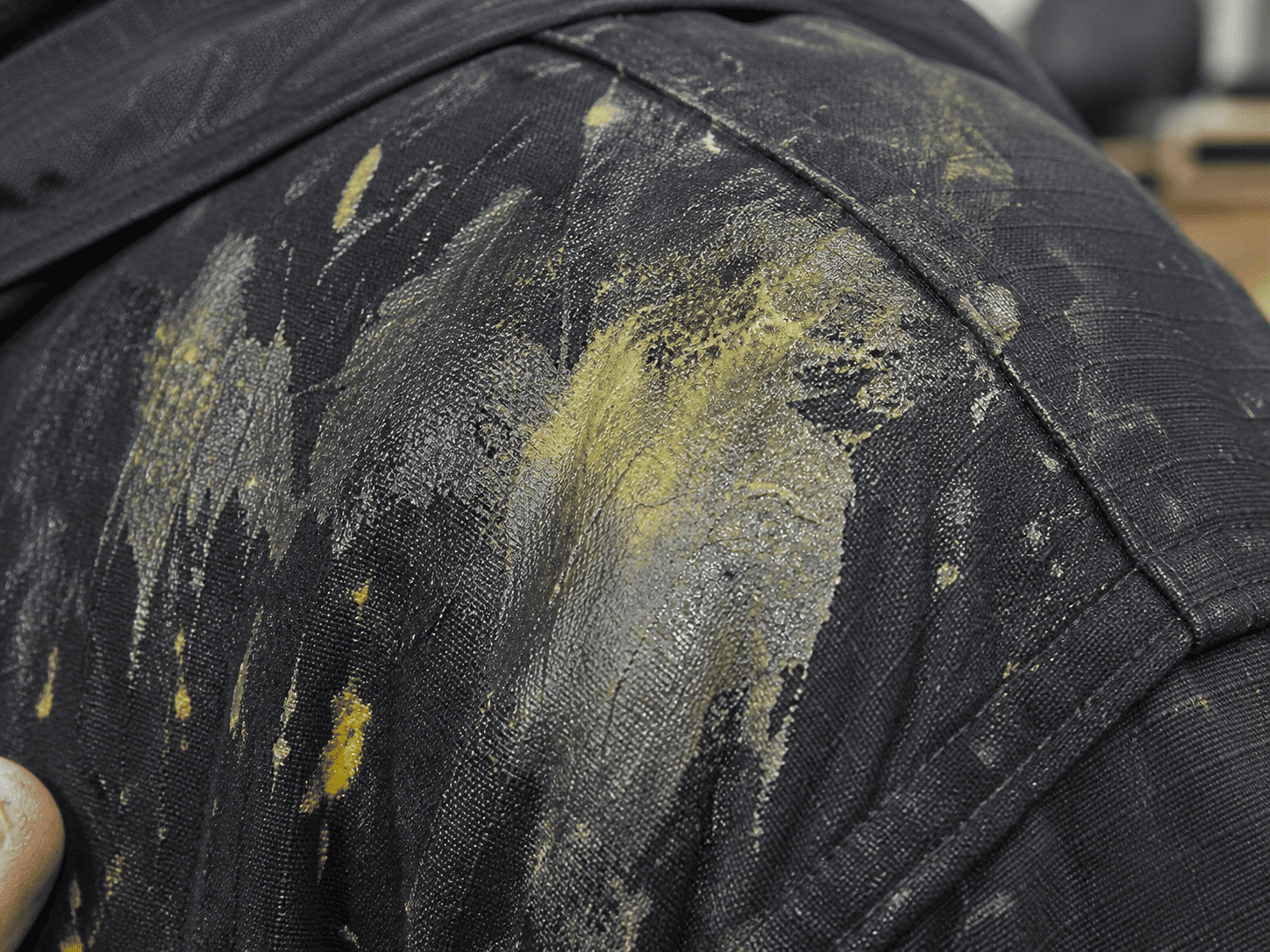 If you’ve searched “why is oil-based paintball paint illegal,” you’ve already found the most important thing you need to know: the question itself is slightly imprecise, and that imprecision matters. Oil-fill paintballs are not universally illegal in a criminal law sense. But they are banned by virtually every legitimate competitive league, prohibited by most professional field operators, and restricted by municipal wastewater regulations in many jurisdictions. Understanding why those bans exist — from the chemistry of the fill to the real-world cost consequences for your field — is the most valuable operational knowledge you can have when sourcing paintballs.
Section 1: PEG Fill vs Oil Fill — What’s Actually Inside the Ball
The “illegal” question starts with chemistry. There are two fundamentally different fill types used in paintball manufacture, and US Patent #8920918 — a paintball fill formulation patent — provides the clearest technical summary of both: PEG-based fill (the industry standard) and oil-based fill (the problematic alternative).
✅ PEG-Based Fill — Industry Standard
- Primary ingredient: Polyethylene Glycol (PEG)
- Supplemented by food-grade dyes, sorbitol, glycerin
- Fully water-soluble — plain water rinse removes it
- Non-toxic; used in pharmaceuticals, cosmetics, food
- Biodegradable in normal environmental conditions
- Safe for wastewater and runoff systems
- No odor after breakdown; does not support mold
- Produces clear, bright color marks on target
- Standard in all competitive leagues worldwide
⚠️ Oil-Based Fill — The Banned Alternative
- Primary ingredient: Vegetable oil (90–95% by weight)
- Not water-soluble — requires detergent to remove
- Persists on surfaces, fabrics, and equipment
- Less biodegradable; harmful to wildlife if ingested
- Problematic in wastewater and natural runoff systems
- Oxidizes after exposure → rancid odor, mold growth
- Causes black staining on field facilities and equipment
- Clogs and degrades marker internals and O-rings
- Banned or restricted across most legitimate field operations
US Patent #8920918, filed by a paintball fill manufacturer, describes the historical challenge clearly: “One of the disadvantages associated with the use of oil-based fill formulas in paintballs may have been a lack of water solubility. This factor may heretofore have presented a problem for paintball enthusiasts insofar as the paint residue may not have been readily cleaned from objects and surfaces.”
The same patent confirms what field operators have known for years: “Many significant storage and/or handling problems may also have been associated with this prior art PEG-based type of paintball.” The industry has spent decades trying to find fill formulations that combine PEG’s washability with lower cost — and the result has often been hybrid “PEG/oil” mixtures that offer the worst of both worlds: some water solubility, but with residual oil that causes all the problems described below.
Section 2: The Six Reasons Oil Fill Is Banned — In Order of Severity
Municipal Wastewater and Environmental Law
This is the only level at which oil-fill paint becomes legally prohibited in the formal sense. According to Wikipedia’s documented paintball regulations, fields that discharge wash water into municipal wastewater systems, or that have rain runoff into bodies of water used as drinking water sources, are legally required by municipalities to restrict play to water-soluble, approved paint formulations. Oil-based fill cannot meet water-solubility requirements and fails environmental runoff standards. In these jurisdictions, using oil-fill paintballs is not a policy violation — it is a legal compliance failure that can result in fines or operating license revocation. Many fields choose “Field Paint Only” policies specifically to ensure compliance with these municipal requirements.
Equipment Damage: Markers, Barrels, and O-Rings
Facility Mold, Black Staining, and Rancid Odor
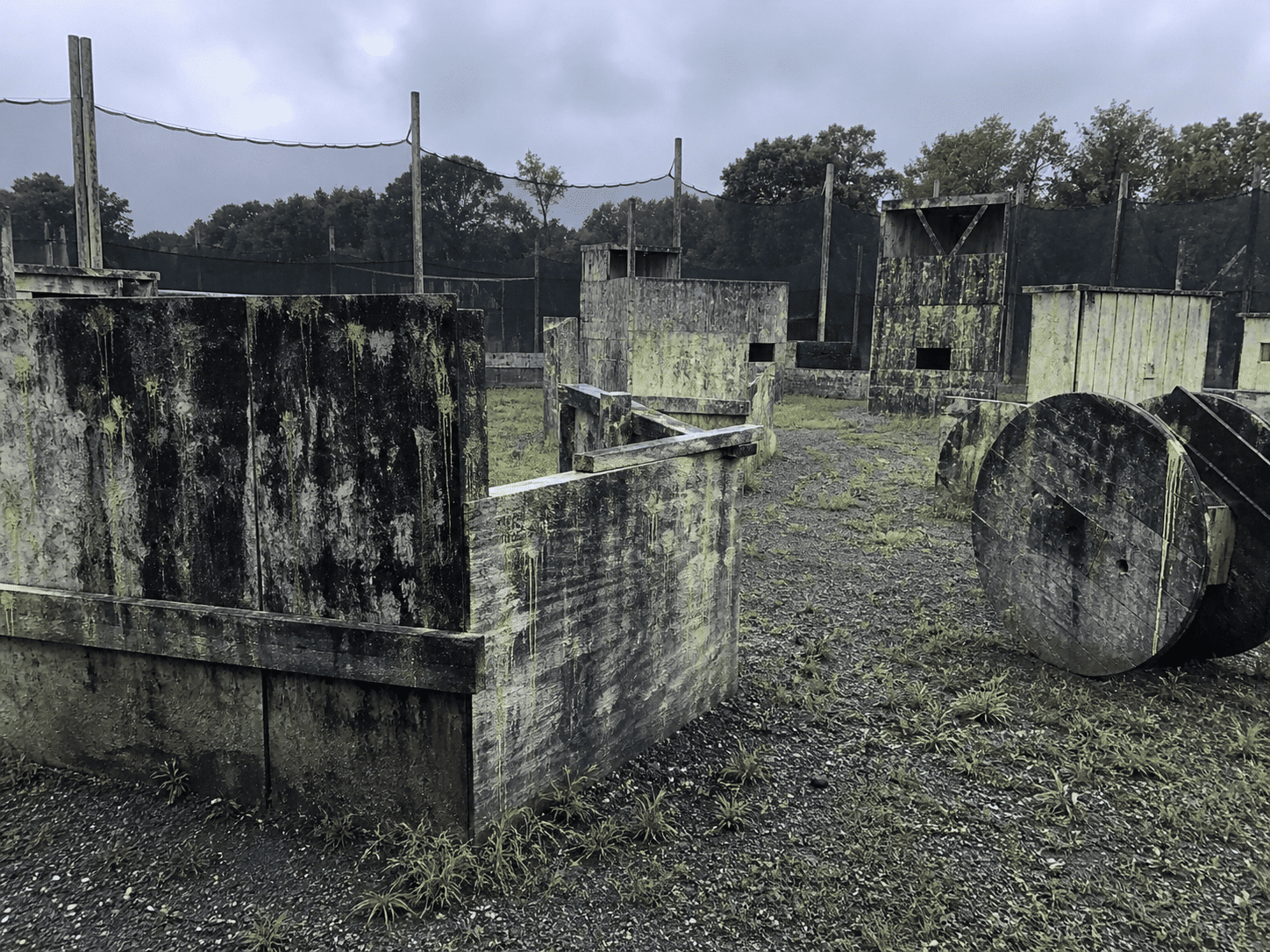
Vegetable oil oxidizes when exposed to air over time — this is basic organic chemistry. Oxidized vegetable oil on paintball field surfaces (bunkers, netting, flooring, walls, and wooden structures) creates the ideal conditions for mold growth: a nutrient-rich, moist lipid layer on a porous surface. Within days of an uncleaned oil-fill session, surfaces begin developing black staining. Within weeks, fields report a rancid, musty odor that penetrates fabric bunkers and wooden structures. This odor is not cosmetic — it signals active mold colonization that is extremely difficult to remediate once established, and that creates a deeply negative player experience that drives away repeat customers and generates damaging online reviews. Fields that have switched from oil-fill to PEG-fill consistently report that eliminating the mold problem was the primary motivator.
Operational Cost: Cleaning Time and Throughput Loss
PEG fill washes off rental gear, masks, barricades, and clothing with plain cold water — a rinse that takes seconds per item. Oil fill requires detergent, hot water, and significant scrubbing time on every surface it contacts. For a field running 8–12 groups per day, the cumulative cleaning time difference between PEG and oil fill is not trivial. Staff time spent scrubbing oil-coated rental vests and masks between groups is time not spent preparing the field for the next booking. For example,Paintball USA’s field operations guidance explicitly recommends PEG-only fill as part of their environmental and operational safety standards. The math is simple: faster cleaning = more groups served per day = higher revenue.
Environmental and Wildlife Hazard
Oil-fill paintballs left on outdoor fields degrade far more slowly than PEG-fill balls and leave persistent oil residue in soil. Multiple field operators and environmental guides confirm that oil-based fill “can damage the environment” and that animals finding dropped paintballs may ingest the oil-fill with potentially lethal consequences. Overo’s biodegradability review reinforces the guidance: “Avoid Oil-Based Paint: Ensure your paint uses PEG fill. Oil fills are less common now. They are not as environmentally friendly.” For outdoor woodland fields, this environmental concern is not hypothetical — it is a liability and a reputational risk.
The Myth of Cost Savings: Vegetable Oil Price Parity with PEG
The historical justification for oil-fill paintballs was simple: vegetable oil was cheaper than PEG. That cost argument has collapsed. Global commodity price data shows that food-grade vegetable oils (palm, soybean, sunflower) have reached price parity with PEG 400/600 at industrial procurement volumes — a development that eliminates the only real argument in favor of oil-fill from a manufacturer’s perspective. Oil-fill now offers no cost advantage over PEG, while carrying all the operational, environmental, and compliance liabilities described above. Any supplier still producing oil-fill paintballs in 2025 is doing so for reasons of manufacturing inertia, not economics — and any buyer choosing oil-fill is accepting all the costs without receiving any benefit.
Oil-fill paintballs once had one advantage: they were cheap. Now that advantage is gone. What remains are six categories of cost, risk, and damage — none of which appear on the purchase order.
Section 3: What the Field Community Actually Says
Industry publications, forum discussions, and field operator experience all converge on the same conclusion. Here is what the community actually reports about oil-fill paintballs in practice:
“Fields that operate near drinking water sources or municipal wastewater systems are legally required to restrict players to approved, water-soluble paint formulations. The easiest way to achieve this is to sell only approved paint and require that field paint be used.” — Wikipedia, Paintball — Field Paint Only Policies
“Cheaper paintballs or seconds sometimes use an oil-based fill. This oil can damage the environment, not to mention any animal that might find a few dropped paintballs on the ground and eat them. Only buy paintballs that have PEG (or polyethylene glycol) as a filling.” — Paintball USA, Environmental Safety Guide
“Some paintballs may contain oil-based paints. These are not recommended, as they are harsher on guns and equipment. They also have no real benefits over paintballs that contain water-soluble dyes.” — Lone Wolf Paintball, What Are Paintballs Made Of
“Manufacturers and distributors have been making the effort to move away from the traditional oil-based paints and compressed CO2 gas propellant, to a more friendly water-based formula and compressed air in an effort to become more eco-friendly.” — Wikipedia, Paintball Manufacturing
Section 4: The Hidden Risk — PEG/Oil Hybrid “PEG Paintballs”
There is a category of paintball that is more dangerous for field operators than pure oil-fill — precisely because it is harder to identify: the PEG/oil hybrid. Some manufacturers produce fill containing a mixture of PEG and vegetable oil, then market the product as “PEG-based” or “water-soluble.” This practice is documented in US patent literature as a cost-reduction strategy: replacing a portion of the more expensive PEG with cheaper oil while maintaining partial water solubility.
The result is a product that may pass a casual visual inspection, appear to wash off with water in a quick demonstration, and be sold with PEG-brand credentials — but that behaves like an oil-fill product in extended field use. The oil component does not wash out with water. It accumulates in marker internals, on fabric bunkers, and in field facility surfaces. Over weeks and months, the same mold, odor, and equipment degradation problems associated with full oil-fill emerge — but they appear more slowly, making it harder to identify the paint as the cause.
⚠️ How to Identify Hybrid Fill Before It Damages Your Field
Request a full ingredient disclosure from your supplier — not just a “PEG-based” marketing label. A legitimate PEG-fill manufacturer can and will provide a specific breakdown of fill ingredients. Ask for the percentage of PEG by weight in the fill formulation. Any product with vegetable oil listed as an ingredient — regardless of PEG content — will exhibit oil-fill behavior in field use. If your supplier cannot or will not provide ingredient specifics, treat the product as oil-fill for operational planning purposes. Test a batch on your own surfaces before committing to a bulk order.
Section 5: The Full Cost Comparison — True Operational Cost
| Cost Category | PEG-Based Fill | Oil-Based Fill |
|---|---|---|
| Purchase price per case | Slightly higher | Lower upfront |
| Post-session cleaning time | Cold water rinse — minutes | Detergent scrubbing — significantly longer per session |
| Detergent / cleaning product cost | Near zero | Required every session — ongoing consumable cost |
| Marker O-ring replacement rate | Standard wear schedule | Accelerated — oil degrades rubber seals faster |
| Barrel replacement / repair | Normal wear | Oil residue accumulation accelerates barrel degradation |
| Facility remediation (mold) | Not required with prompt rinse | Professional mold remediation may be required after extended use |
| Environmental compliance risk | Compliant with municipal wastewater standards | Non-compliant in many jurisdictions — regulatory fine risk |
| Customer satisfaction / repeat bookings | No paint odor; clean facilities; easy clothing cleanup | Rancid odor, stained clothing, reduced repeat booking rates |
| True operational cost | Lower overall | Higher overall when all factors are included |
Section 6: What Field Operators Should Actually Do
For Fields Currently Using PEG Fill
- Verify that your current supplier’s fill is 100% PEG-based — not a hybrid. Request ingredient disclosure in writing as part of your next procurement renewal.
- Implement a “Field Paint Only” policy that specifies PEG-based fill. This protects your field from players bringing in inferior paint and provides a documented compliance position for municipal wastewater requirements.
- Include fill type in your supplier vetting process — treat “PEG fill” as a minimum specification, not a bonus.
For Fields or Buyers Evaluating a Cheaper Oil-Fill Option
- Request a line-item breakdown of the true operational cost difference over a 12-month period before comparing purchase prices alone.
- Ask your current marker maintenance provider how oil-fill affects O-ring replacement frequency and service intervals.
- Check your municipal wastewater requirements. If your field is near municipal water systems, oil-fill may not be a choice — it may be a compliance violation.
- Recognize that the cost advantage of oil-fill has effectively disappeared as vegetable oil prices have converged with PEG pricing at industrial procurement volumes.
For Importers and Distributors
- Oil-fill paintballs carry significant market access risk in professional field supply channels. Most field operators buying at scale will not accept oil-fill products, and sourcing them creates inventory that may be difficult to place.
- Hybrid “PEG” products with undisclosed oil content expose distributors to quality complaint liability when field operators experience the characteristic damage patterns.
- Position PEG-fill certification as a procurement standard, not a premium — it is the expected baseline for any serious supply relationship.
✅ The Bottom Line
Oil-based paintballs are “illegal” in the paintball world for six compounding reasons: they fail environmental compliance requirements, damage equipment, cause mold and odor in facilities, increase operational cleaning costs, harm wildlife, and offer no cost advantage over PEG fill at current commodity prices. The industry trend away from oil-fill is not a passing preference — it is an irreversible operational and regulatory reality. Every professional field, every competitive league, and every manufacturer with a long-term business perspective has already made the switch.
The only remaining question for field operators and buyers is not whether to use PEG fill — it is whether your current supplier’s “PEG” product is genuinely oil-free, or a hybrid that will deliver oil-fill problems under a different label.